

A new energy model is quietly entering India’s automotive factories, writes Sahil Kesari.
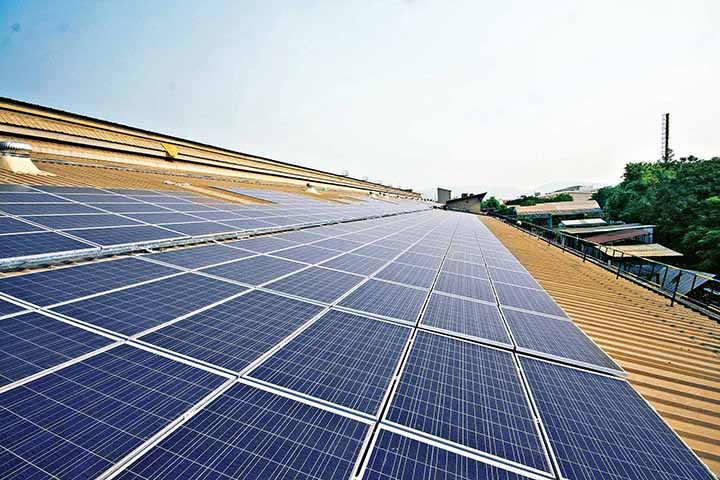
The emphasis on going green at source is a critical ESG goal for automotive components manufacturers and the industry at large. For decades, electricity procurement remained a background function within automotive manufacturing. Coal generated Power sourced through the grid , supplemented by cement and steel plants by captive generation to beat the high commercial tariffs. The industry graduated to solar installations and windmills for operating high-tonnage stamping presses, paint-shop climate controllers, and robotic welding lines known to be highly energy-intensive.
As per Clean Max, long-term renewable PPAs generally offer industrial consumers greater tariff visibility and predictability compared to conventional power procurement. Depending on the state, consumer category, and project structure, businesses can often realise power cost savings of up to 30 per cent compared to prevailing grid tariffs. Beyond economics, renewable PPAs help manage energy price volatility, support decarbonisation goals, and strengthen long-term operational planning. Measures like these could give a filip to the adoption.
The shift reflects a broader change in how manufacturers view energy. Renewable-energy procurement is no longer driven solely by sustainability commitments. Increasingly, automotive companies are evaluating power sources through the lens of competitiveness, energy security and long-term cost visibility. For energy-intensive industries, electricity remains a major operating cost that can be optimised over extended periods through structured procurement arrangements. As manufacturers pursue higher renewable-energy penetration and long-term operating stability, electricity is becoming a strategic manufacturing input rather than a routine budgeted OpEx.
This transition is visible across the industry. ZF, through its presence in the renewable-energy value chain via ZF Wind Power, Tata Power Renewable Energy’s 131 MW wind-solar hybrid project is known to supply six manufacturing facilities. Hyundai Motor India has adopted a Group Captive structure through a 117.9 MW renewable-energy project combining solar and wind generation. Hero MotoCorp has entered a Group Captive solar wheeling arrangement linked to its manufacturing operations. MRF has partnered on a 170 MW hybrid renewable-energy project, among the largest such initiatives in India’s tyre sector.
Open Access Is Becoming Mainstream
A major factor behind this transition is the growing adoption of Open Access and Group Captive procurement structures. While often discussed together, the two are not identical. Open Access is the regulatory framework that allows electricity generated at one location to be transmitted through the grid and consumed elsewhere. Group Captive, meanwhile, is a procurement structure in which consumers hold equity in the generating asset while consuming the power produced with strict government compliance
The growing scale of automotive manufacturing has made these models increasingly relevant. Large facilities consume substantial volumes of electricity while often having limited space available for on-site generation. As companies target higher levels of renewable-energy adoption, large-scale remote generation becomes essential.
Hybrid Power
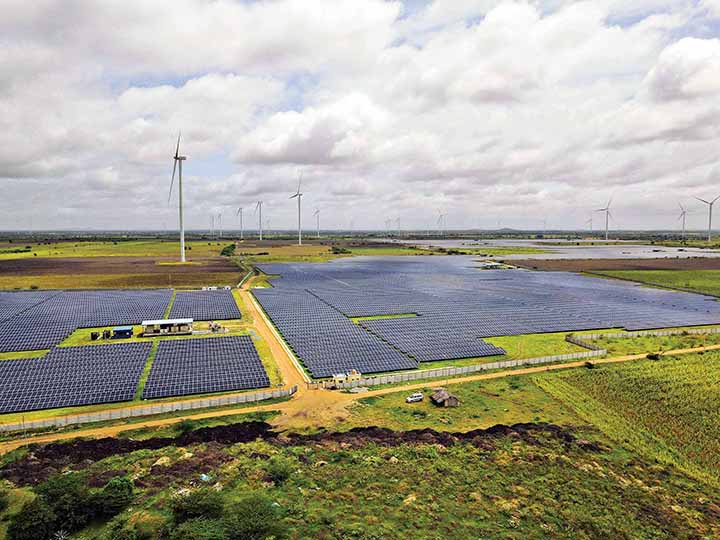
One of the strongest examples of this transition is CEAT’s partnership with CleanMax. Approximately 59 MW hybrid wind-solar project supplies renewable electricity to CEAT’s manufacturing facilities in Gujarat and Tamil Nadu. Expected to generate around 13.58 crore units annually, the project is projected to increase renewable-energy usage across the facilities to nearly 60 percent. The project also highlights the growing importance of hybrid renewable-energy structures. By combining wind and solar generation, developers can improve generation consistency and extend renewable-energy availability across a longer operating window.
Solar generation aligns with daytime industrial demand, while wind generation contributes during evenings, nights and monsoon periods. Together, the two technologies improve plant load factors and create a more balanced renewable-power profile for continuous manufacturing operations. For industries operating around the clock, these advantages are becoming increasingly important as renewable-energy adoption moves from supplementary generation to a core component of manufacturing strategy. Automotive manufacturers pursue higher renewable-energy penetration and greater operational predictability, demand for scalable procurement models is expected to increase further.
Powering the Green Phase of Components Manufacturing
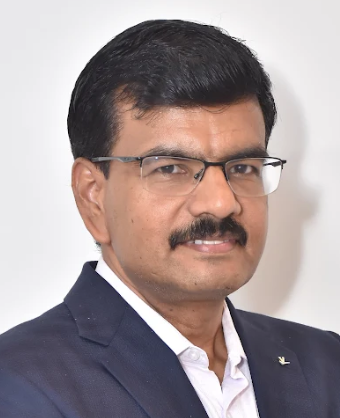
Kuldeep Jain, Founder and Managing Director, CleanMax, speaks to Sahil Kesari on Open Access, Group Captive structures and the changing energy-procurement strategies of India’s automotive manufacturers.
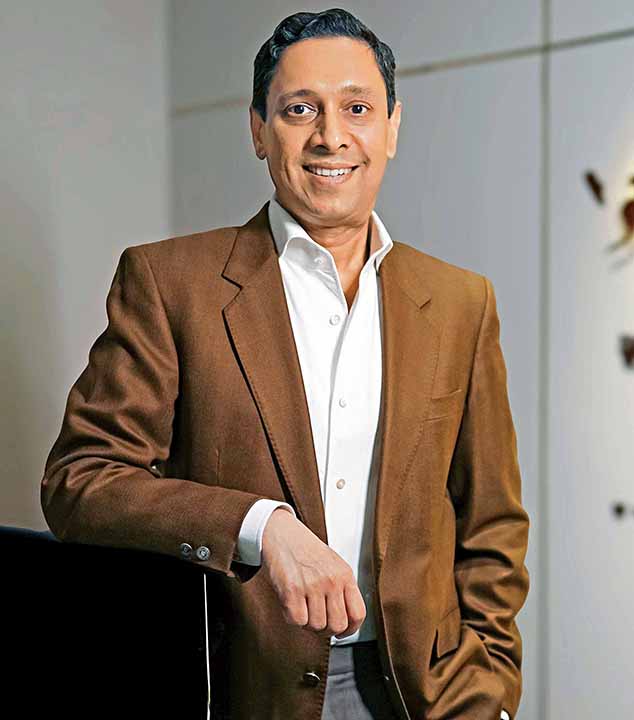
Q. How do you see the demand for developer-led renewable-energy procurement evolving within automotive manufacturing?
A. Automotive companies today are looking at renewable energy as being integral to their operations. It is about competitiveness, energy security and long-term cost visibility. With the need to scale operations rapidly, Group Captive and Open Access models offer practical solutions to clean-energy requirements. We are also seeing a growing preference for hybrid renewable solutions that better align with continuous manufacturing operations. Over time, renewable-energy procurement has become a core operational strategy for automotive manufacturing.
Q. How mature has this model become for industrial manufacturing in India today?
A.It is mature enough to be the dominant mode. Open Access is the mainstream route for large industrial energy procurement in India today. The moment manufacturers want to cover 60-70 per cent or more of their annual consumption with renewable energy, large-scale remote generation becomes essential. The ecosystem has evolved significantly, and industries across automotive, chemicals, technology and data centres are increasingly adopting these models.
Q. Do you believe this model is becoming the preferred route for industrial renewable-energy adoption?
A.What has changed is not just the economics but also the strategic intent behind these decisions. Large manufacturers are setting ambitious renewable-electricity targets and building the procurement architecture required to achieve them. Group Captive and Open Access are among the few models capable of scaling across multiple facilities and states while supporting long-term renewable-energy goals.
Q.How do you see this relationship evolving over the next decade?
A.Industries today are increasingly looking for long-term partners who can support reliability, energy planning and decarbonisation together. At CleanMax, this evolution is already visible in the scale of customer engagement. We have a contracted renewable-energy portfolio of 5.7 GW across 588 customers. Nearly 74 per cent of FY26 contracted volumes come from existing customers. Over time, renewable-energy partnerships will become increasingly embedded into long-term industrial and infrastructure planning.
Q.For energy-intensive manufacturing operations such as tyre production, how important is long-term electricity cost visibility while evaluating renewable-power agreements?
A. A Tyre Plant runs around the clock. Every stage of operations demands continuous heat, pressure and electricity simultaneously, at scale. Electricity is one of the few operating costs that manufacturers can meaningfully optimise over the long term. Today, Group Captive PPAs offer competitive tariff structures along with long-term contractual certainty, enabling businesses to bring greater predictability and stability to their cash flows while advancing their sustainability goals.