

India’s auto component industry is moving beyond resilience, targeting global markets, stronger technology capabilities and a USD 200 billion industry by 2030, writes Richa Tyagi.
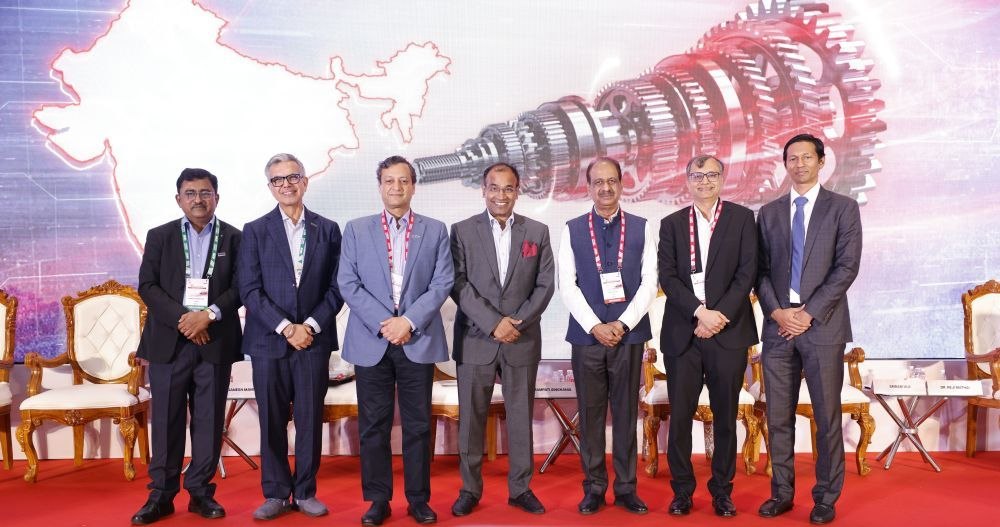
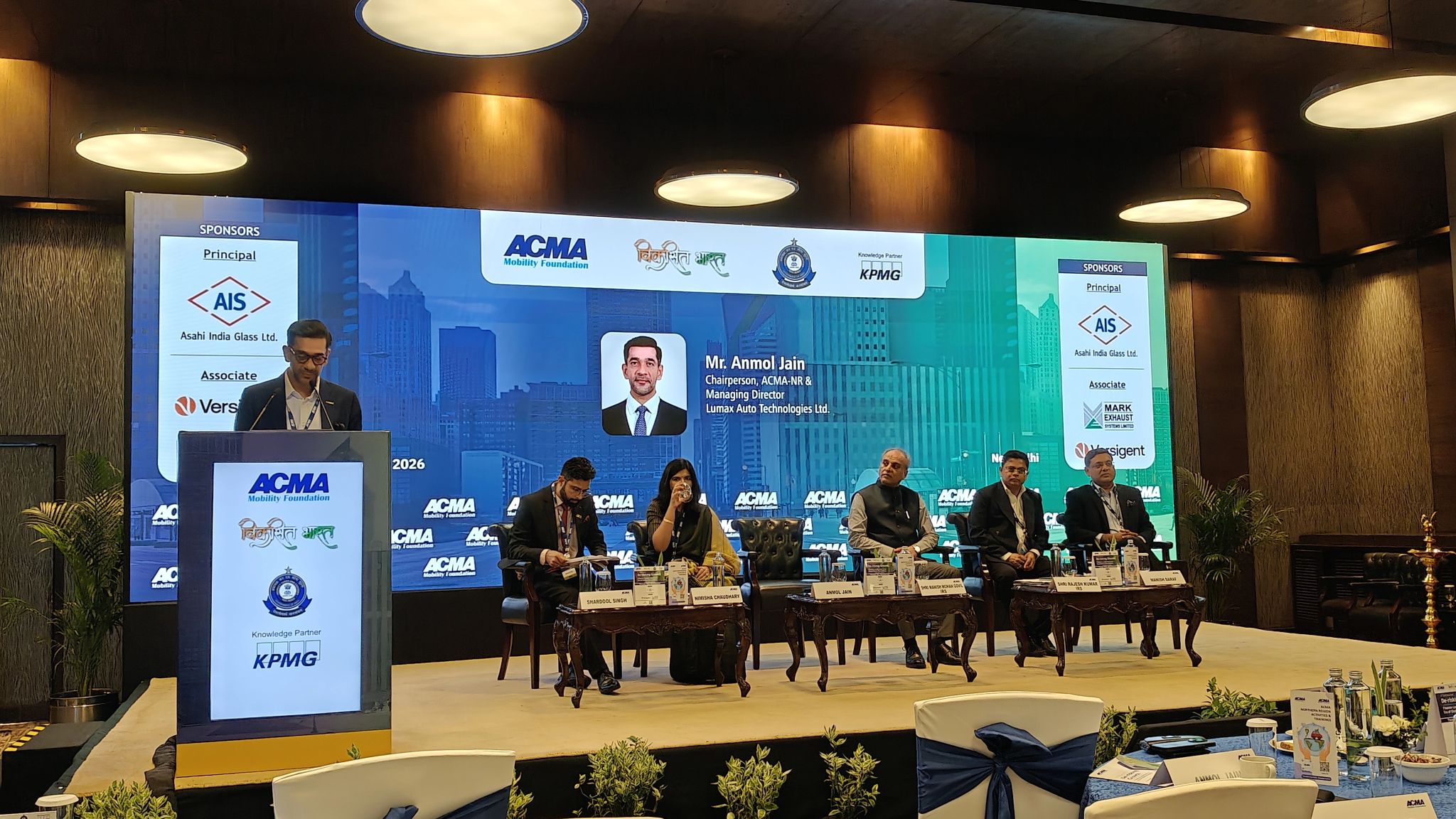
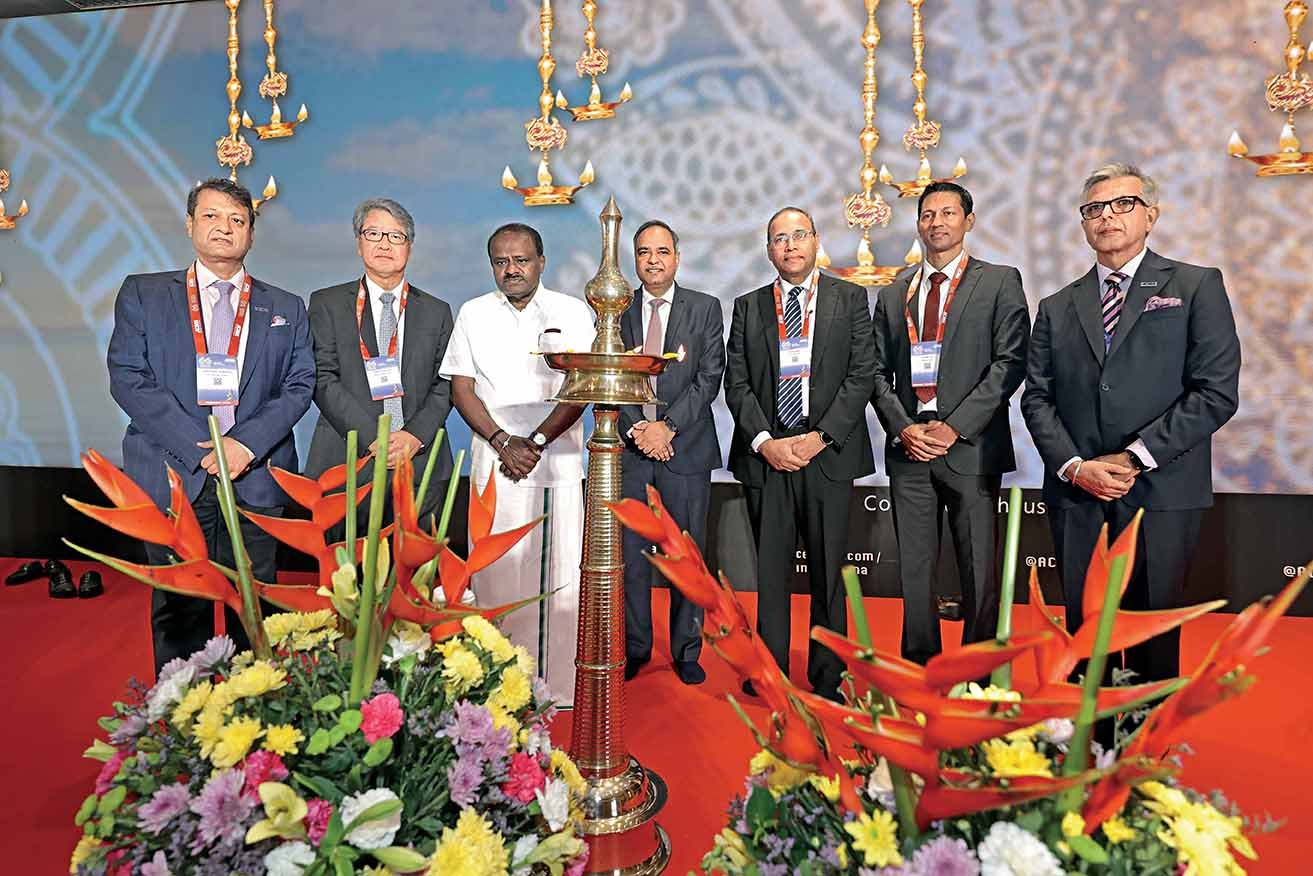
India’s auto component industry is entering a new phase of growth, one that goes beyond absorbing disruption to actively shaping the future of global automotive supply chains. This was the central message at the 66th ACMA Annual Session 2026 of the ACMA Mobility Foundation, held under the theme “Beyond Resilience.” With policymakers, automotive leaders, global suppliers, diplomats and technology stakeholders in attendance, the session focused on how India can convert its growing manufacturing scale into deeper global integration, technology leadership and sustained competitiveness.
The sector is targeting a USD 200 billion valuation by 2030, after recording a turnover of Rs. 7.6 lakh crore (USD 85.9 billion) in FY26, representing 12.7 per cent Year-on-Year growth. Having doubled its market size over the past five years, the industry is now looking to expand its global presence through higher exports, technology adoption, localisation and greater integration with international supply chains. According to the ACMA-BCG report, ‘Beyond Resilience’, released during the session, around 90 per cent of industry leaders across large, medium and small companies said they were in the right place at the right time, indicating a positive outlook on the sector’s growth prospects. The industry recorded USD 24 billion in exports, while supplies to OEMs grew 16.3 per cent. With global supply chains undergoing changes in sourcing and manufacturing strategies, India is seeking a larger role as a manufacturing and sourcing base, supported by its domestic market, manufacturing capacity and expanding trade relationships. In the lead presentation, Saurabh Chhajer, Partner & Managing Director, BCG, said growth is expected to continue, but uncertainty has become a structural feature of the business environment. He outlined eight principles for resilient leadership, including investing ahead of the curve, professionalising systems and diversifying critical dependencies.
Next Phase
In his address, Vikrampati Singhania, then President, ACMA and Managing Director, JK Fenner, said the industry had dealt with several disruptions over the past few years, including the pandemic, supply-chain constraints, geopolitical conflicts, commodity volatility and changes in markets and mobility. “Over the past several years, resilience has defined our industry. We have navigated a pandemic, supply-chain disruptions, geopolitical conflicts, commodity volatility and profound changes in markets and mobility. Each time, the Indian automotive industry has adapted and emerged stronger. But resilience is about responding to change. Leadership is about shaping it. And I believe that is where India must now set its sights.”
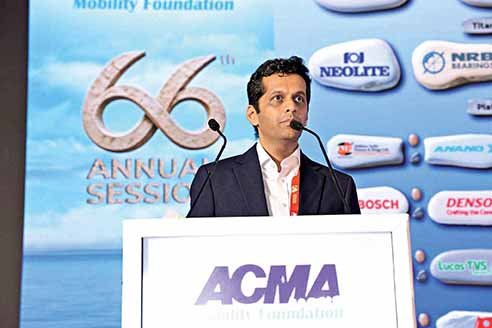
Saurabh Chhajer, Partner & Managing Director, BCG
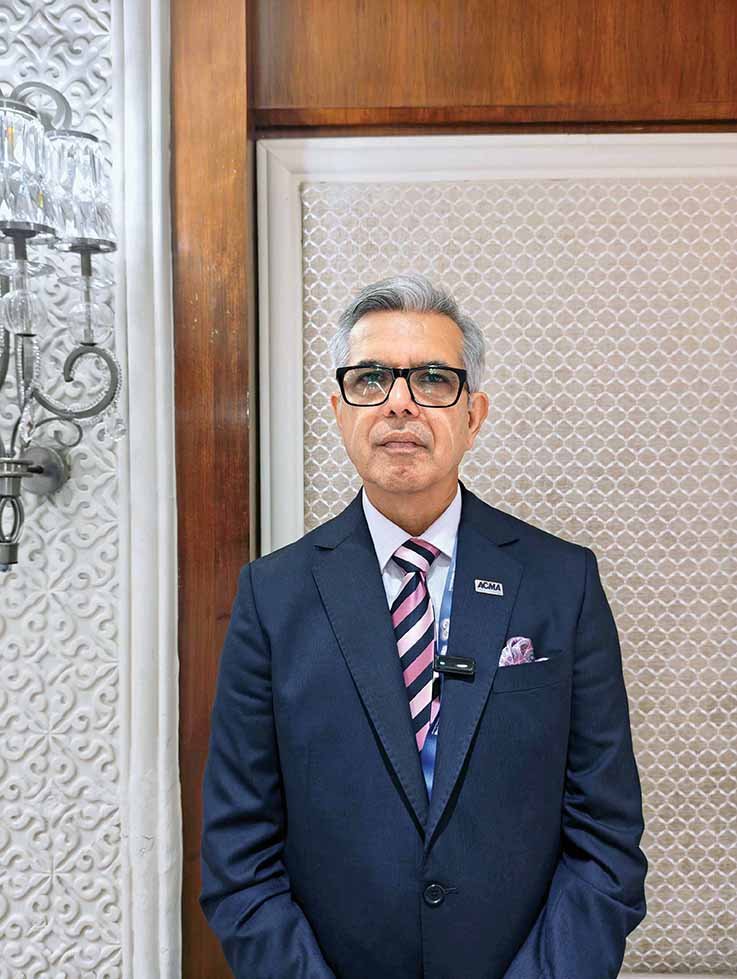
Vinnie Mehta, Director General, ACMA
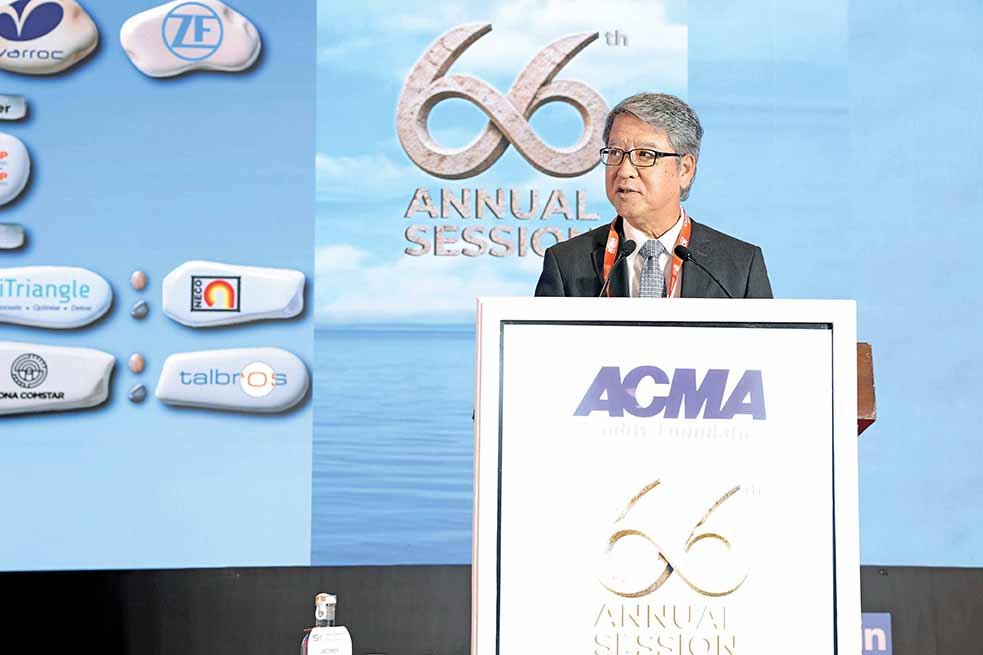
Hisashi Takeuchi San, Managing Director & CEO of Maruti Suzuki India
Vinnie Mehta, Director General, ACMA, said the industry had demonstrated its resilience by maintaining growth despite the challenges of recent years. The focus now, he said, needs to shift towards the next stage of development, including greater investment in technology, people and capacity, stronger export capabilities and consistent quality. “We have proven that we are resilient; we now have to walk the next mile and plan our future,” Mehta said.
Delivering the special address as Chief Guest, H.D. Kumaraswamy, Minister for Heavy Industries & Steel, Government of India, outlined the government’s support for the automotive and auto component sectors, particularly in investment, domestic value addition, advanced technology manufacturing and cleaner mobility. “The theme captures the ambition that must guide the Indian industry. The automotive and auto components industry is central to this journey. Over the past year, our government has focused on translating policy intent into measurable outcomes. The Production Linked Incentive (PLI) scheme for automobiles and auto components is showing encouraging results. Our schemes are supporting investment, domestic value addition, advanced technology manufacturing and the transition to cleaner mobility.”
Industry 5.0
Technology was a key area of discussion, with ACMA pointing to Industry 5.0 as an important component of the sector’s next phase of development. Mehta said technology would increasingly determine the next level of global competitiveness for Indian component manufacturers. While India already has a competitive component industry and exports more than 25 per cent of its production, he said greater investment in technology would be needed to compete more effectively in global markets. “The next level of global competitiveness will come from technology, and competition will be fought on that front,” he said.
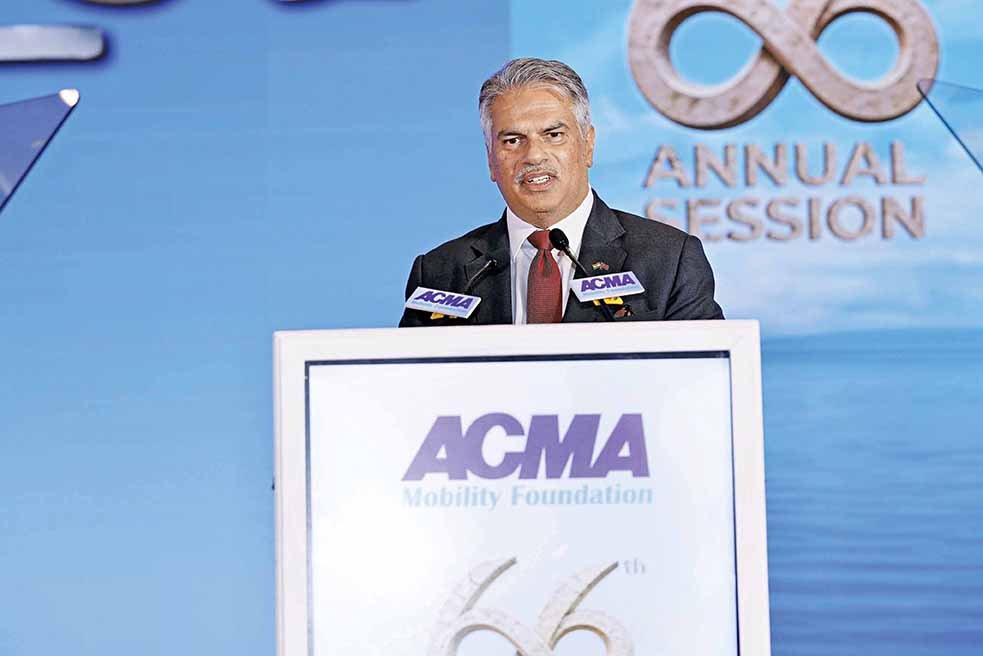
Harjinder Kang, His Majesty’s Trade Commissioner for South Asia and British Deputy High Commissioner for Western India, Government of UK
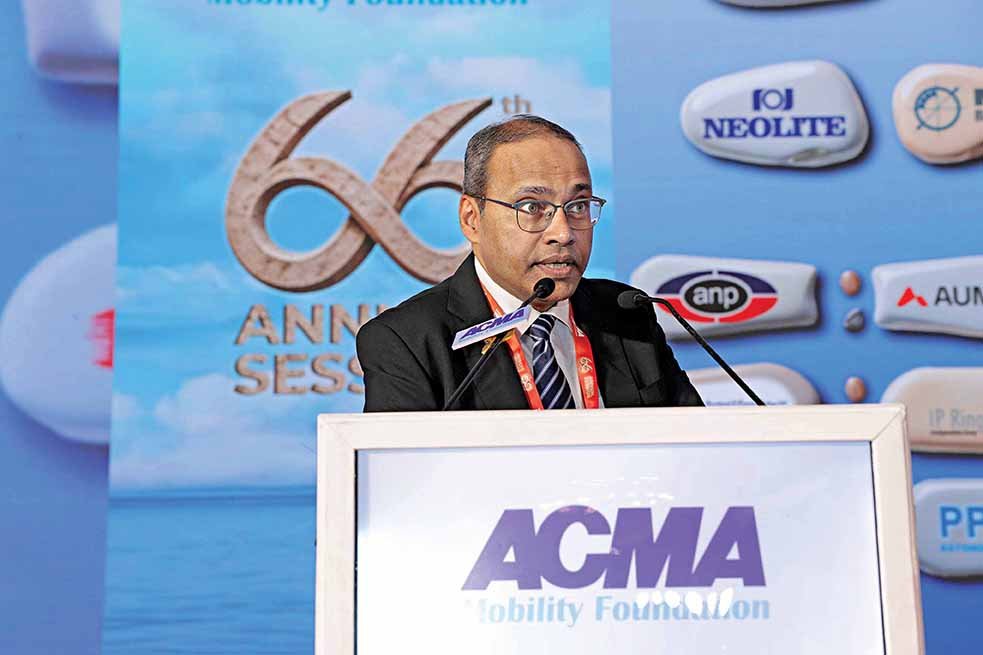
R Mukundan, President, Confederation of Indian Industry (CII) and Managing Director & CEO, Tata Chemicals
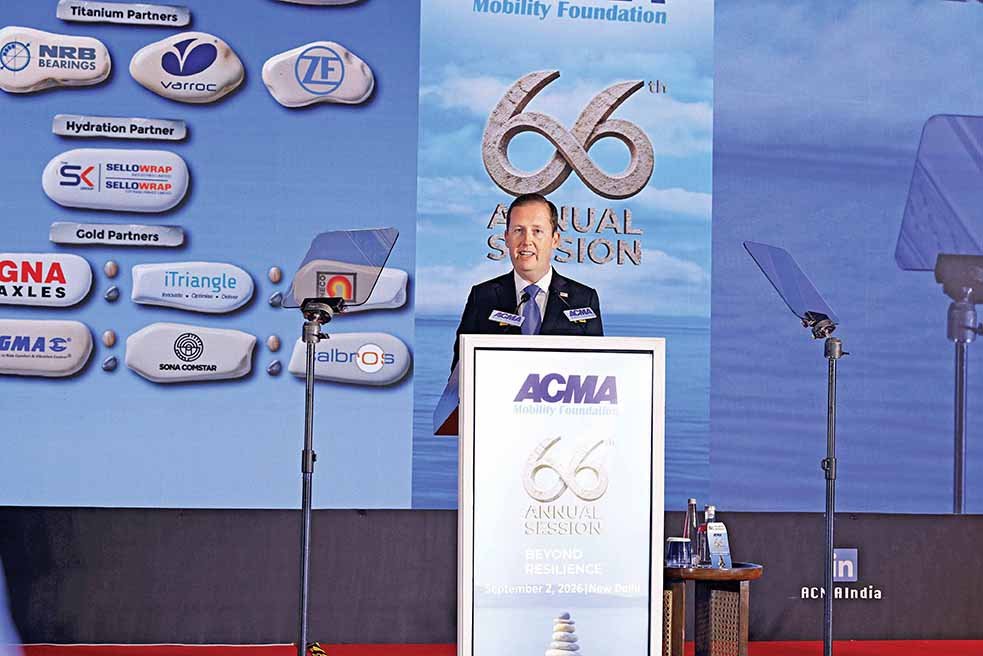
H.E. Sergio Gor, Ambassador of the United States of America
Green Supply Chains
Shailesh Chandra, then President, Society of Indian Automobile Manufacturers (SIAM) and Managing Director, Tata Motors Passenger Vehicles & Tata Passenger Electric Mobility said sustainability is becoming increasingly relevant to competitiveness and market access, with global customers assessing suppliers on factors including energy consumption, carbon intensity, material use and safety. For Indian suppliers seeking to expand in international markets, he said supply chains would need to combine cost competitiveness with environmental and social considerations. Chandra said India has an opportunity to develop supply chains that are green, circular and inclusive while moving beyond building resilience in markets, manufacturing facilities and supply chains towards developing technologies and products for global markets.
He also said the automotive industry had demonstrated its ability to manage uncertainty and scale with agility. He added that the next phase would require greater focus on innovation, product development and sustainability to strengthen India’s position in global automotive and mobility markets.
Beyond Tier-1
The role of the wider supplier ecosystem was another key theme during the session. R Mukundan, President, Confederation of Indian Industry (CII) and Managing Director & CEO, Tata Chemicals, said India would need to strengthen capabilities not only among large system suppliers but also across Tier-2, Tier-3 companies and MSMEs. Closer cooperation between the government, OEMs and suppliers would be required to build these capabilities. He pointed to responsible sourcing, traceability, lower carbon intensity and diversified sourcing as areas that will become more important as global supply chains respond to continuing disruptions. India’s domestic market provides a degree of resilience against external volatility, Mukundan said, while diversification of sourcing will be important for establishing the country as a reliable global manufacturing partner.
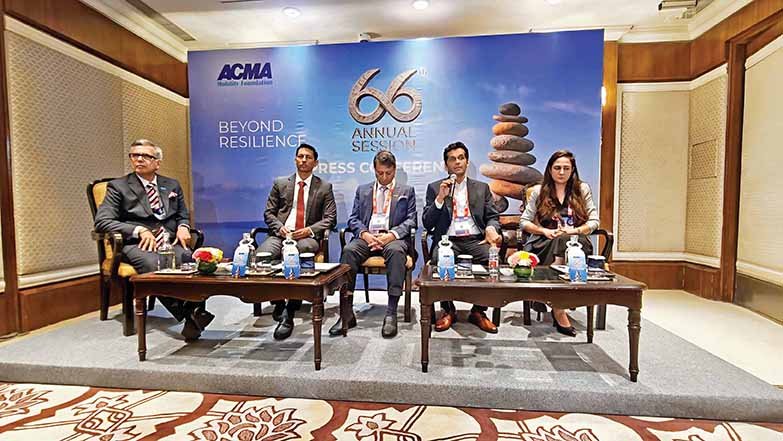
He further added that India has several advantages, including scale, talent, entrepreneurship, manufacturing capability and expanding trade and global partnerships. These could support the auto component industry’s efforts to expand internationally and develop greater engineering and systems capability.
Hisashi Takeuchi San, Managing Director & CEO of Maruti Suzuki India, focused on the importance of the entire supplier base in achieving global competitiveness. He said the competitiveness of Indian automotive products cannot depend only on OEM capabilities. Tier-2 and Tier-3 suppliers, MSMEs and the wider supplier ecosystem will also need to maintain consistent quality and performance. Technology adoption, quality systems, engineering capabilities and skill development will therefore remain important as Indian suppliers seek to serve global customers.
Global Market Access
The trade agenda was discussed further during the valedictory session, “FTAs – Exploring Newer Avenues for the Indian Auto Component Industry.” The session examined the role of free trade agreements in improving market access, supporting investment and integrating Indian suppliers into international value chains. H.E. Sergio Gor, Ambassador of the United States of America to India, described the automotive sector as an example of the expanding India-US relationship. He said, “The United States and India are natural partners, and the automotive sector is a great example of what we can achieve together. Greater market access, more two-way investment, and deeper ties between American and Indian suppliers- especially small and medium businesses which will create real jobs, stronger supply chains, and new opportunities in advanced manufacturing and mobility. That is a win-win for both our countries.”
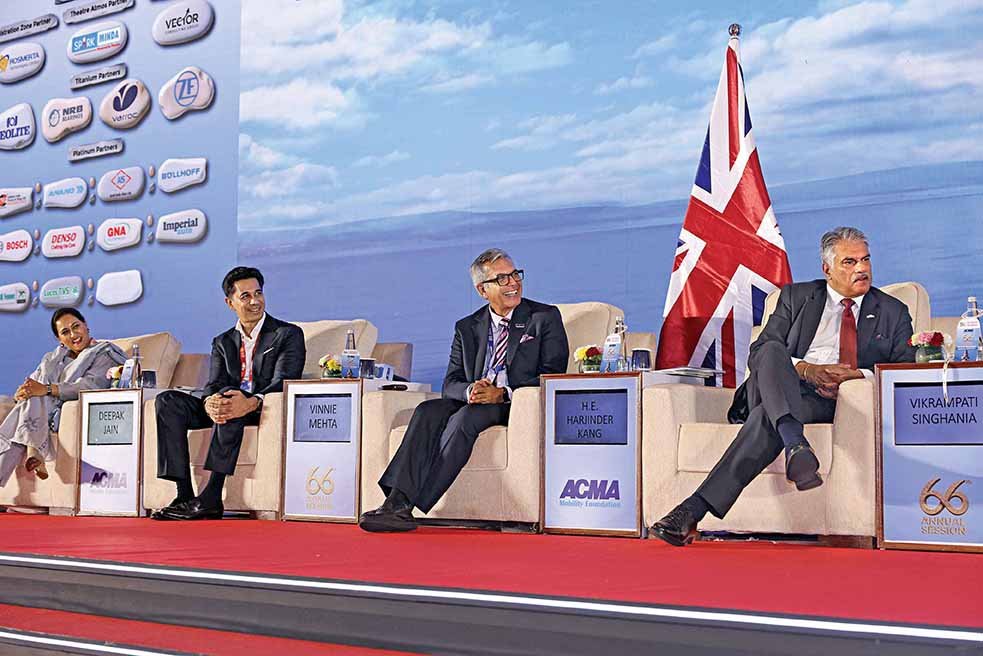
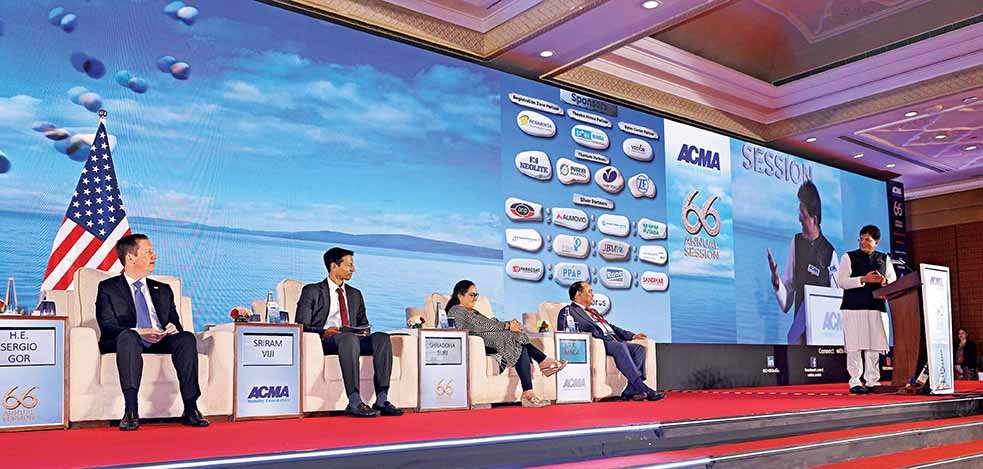
Sergio Gor also spoke about the evolution of India-US cooperation from conventional movement of components across borders towards collaboration in areas related to future mobility. Greater market access and investment could provide opportunities for suppliers in both countries to expand their manufacturing and technology partnerships.
The India-UK relationship was also discussed in the context of the evolving trade framework. Harjinder Kang, His Majesty’s Trade Commissioner for South Asia and British Deputy High Commissioner for Western India, Government of UK, said the India-UK CETA could support greater market access, two-way investment and integration of Indian suppliers, particularly MSMEs, into global value chains. He said, “CETA provides a strong platform to deepen India–UK automotive collaboration by expanding market access, enabling greater two-way investment and integrating Indian suppliers, particularly MSMEs, into global value chains. By simplifying trade processes and strengthening cooperation in advanced mobility, innovation and sustainable manufacturing, we can build more resilient supply chains and create long-term value for both countries.”
Kang also pointed to the UK’s capabilities in zero-emission powertrains, batteries, hydrogen, lightweight materials and software-defined vehicles, along with its R&D ecosystem. The trade framework could provide scope for greater cooperation in these areas.
Trade Opportunities
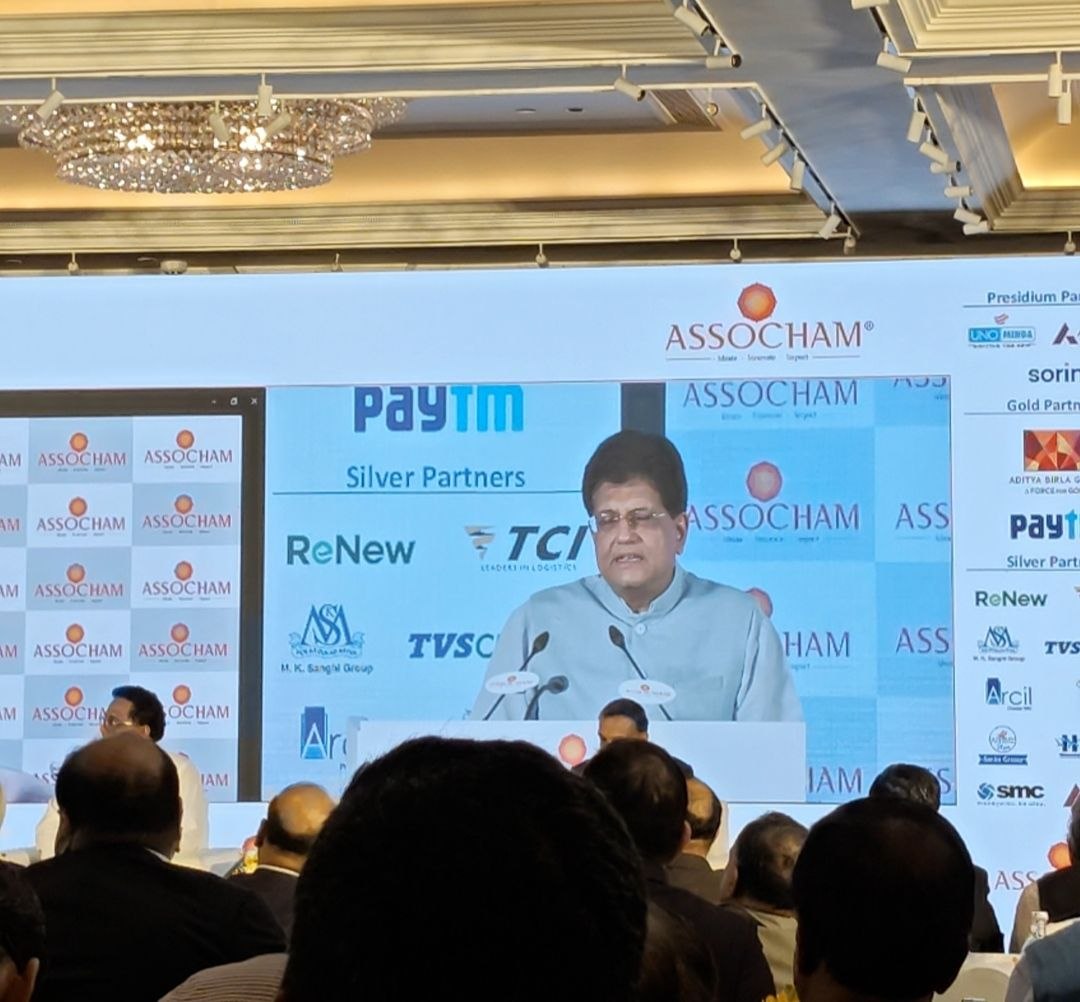
Closing the proceedings, Piyush Goyal, Minister for Commerce & Industry, Government of India, spoke about India’s expanding trade relationships and the role of industry in international trade agreements. “ACMA and its members have been a pillar of support in all international FTAs and agreements done by the country. In this global turmoil, India is the one country that has stayed the course and has continued to be the fastest-growing among the large economies of the world. The 7.8 per cent growth of India is a reality, and we know the strengths that young India brings to the table. All of these are signs that India can do much more. The story has just begun.”
Goyal said nine trade agreements signed over the last four-and-a-half years provide India access to markets representing a combined GDP of around USD 60 trillion, compared with around USD 10 trillion represented by FTAs concluded before 2014. For the auto component industry, these agreements could provide additional avenues for exports, investment and integration with international supply chains.
In his concluding remarks, Sriram Viji, President, ACMA and Managing Director, Brakes India Pvt Ltd, thanked the government and international representatives for their perspectives on competitiveness, quality, exports and India’s integration with global markets. He said the industry was encouraged by the targets being set, with government support providing confidence to work towards them. With global trade and supply chains undergoing realignment, Viji said the presence of representatives from India, the UK and the US at the session was particularly relevant, with trust and competitiveness remaining important to deeper international cooperation. ACI