

From ELVs and tyres to advanced recovery technologies, industry experts discuss the infrastructure,investment and innovation needed to build a circular economy at scale, writes Niharika Singh & Sahil Kesari
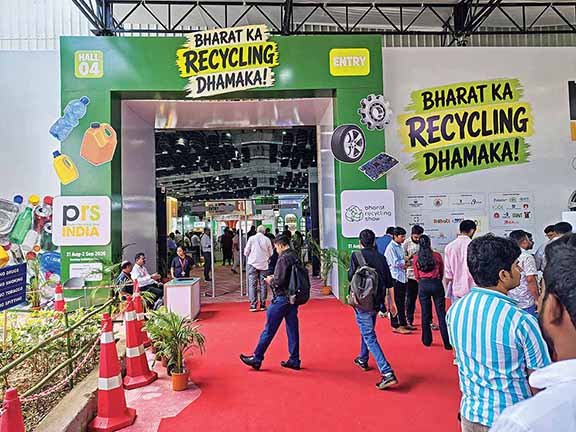
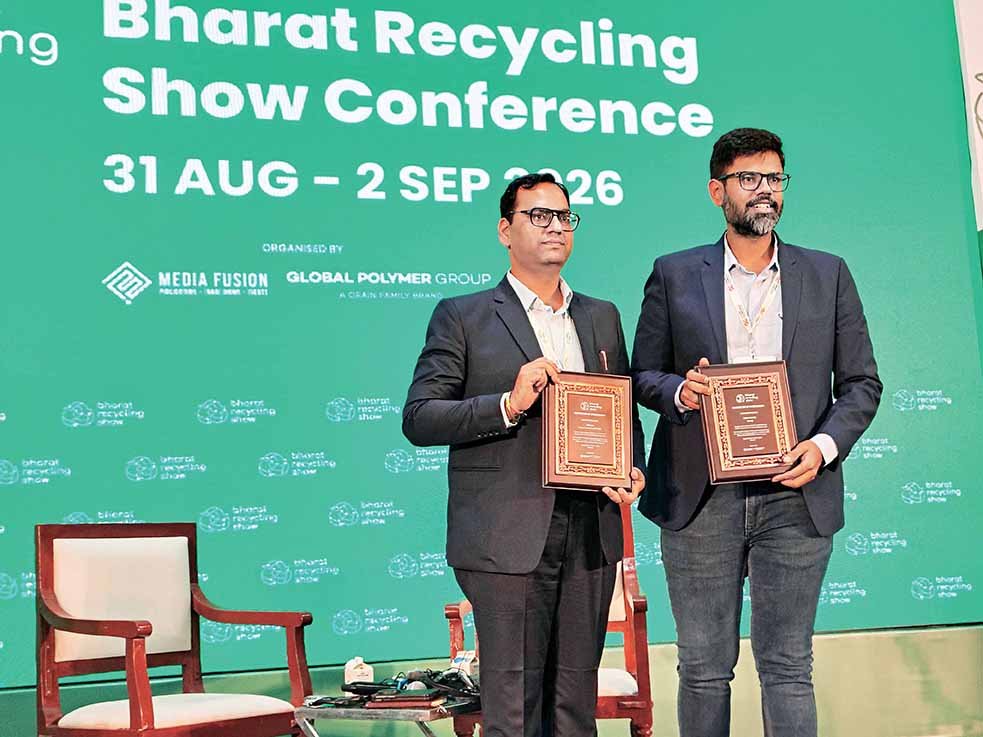
India’s recycling industry is moving into a phase where environmental responsibility and industrial economics are becoming increasingly interconnected. As the industry moves from largely informal recycling practices towards a more formalised ecosystem, manufacturers, policymakers and businesses are focusing on material recovery, strengthening recycling networks and developing processing systems that can operate at scale and remain commercially viable. The scale of this transition-and the complexities involved-came into focus on the third day of the Bharat Recycling Show, held at NESCO, Mumbai, on 2 September 2026. Across discussions on end-of-life vehicles (ELVs), tyre recycling and recycling technologies, industry experts examined how India can strengthen its resource-recovery ecosystem while addressing the challenges of investment, infrastructure, regulation and market demand.
 The conversations reflected a sector at an important juncture. While recycling has gained greater recognition as a component of the circular economy, its expansion will depend on more than sustainability commitments. Reliable collection networks, appropriate technology, skilled labour, material quality, downstream markets and effective regulation will determine whether recycling can move from fragmented operations to an integrated industrial ecosystem. The third day’s discussions offered perspectives on this transition-from the economics of vehicle scrapping and metal recovery to the complexities of tyre processing and the role of technology in improving efficiency. Together, they highlighted a central question for India’s recycling industry: how can resource recovery be scaled in a manner that is environmentally responsible, economically sustainable and suited to the country’s operating realities?
Finding the Right ELV Model
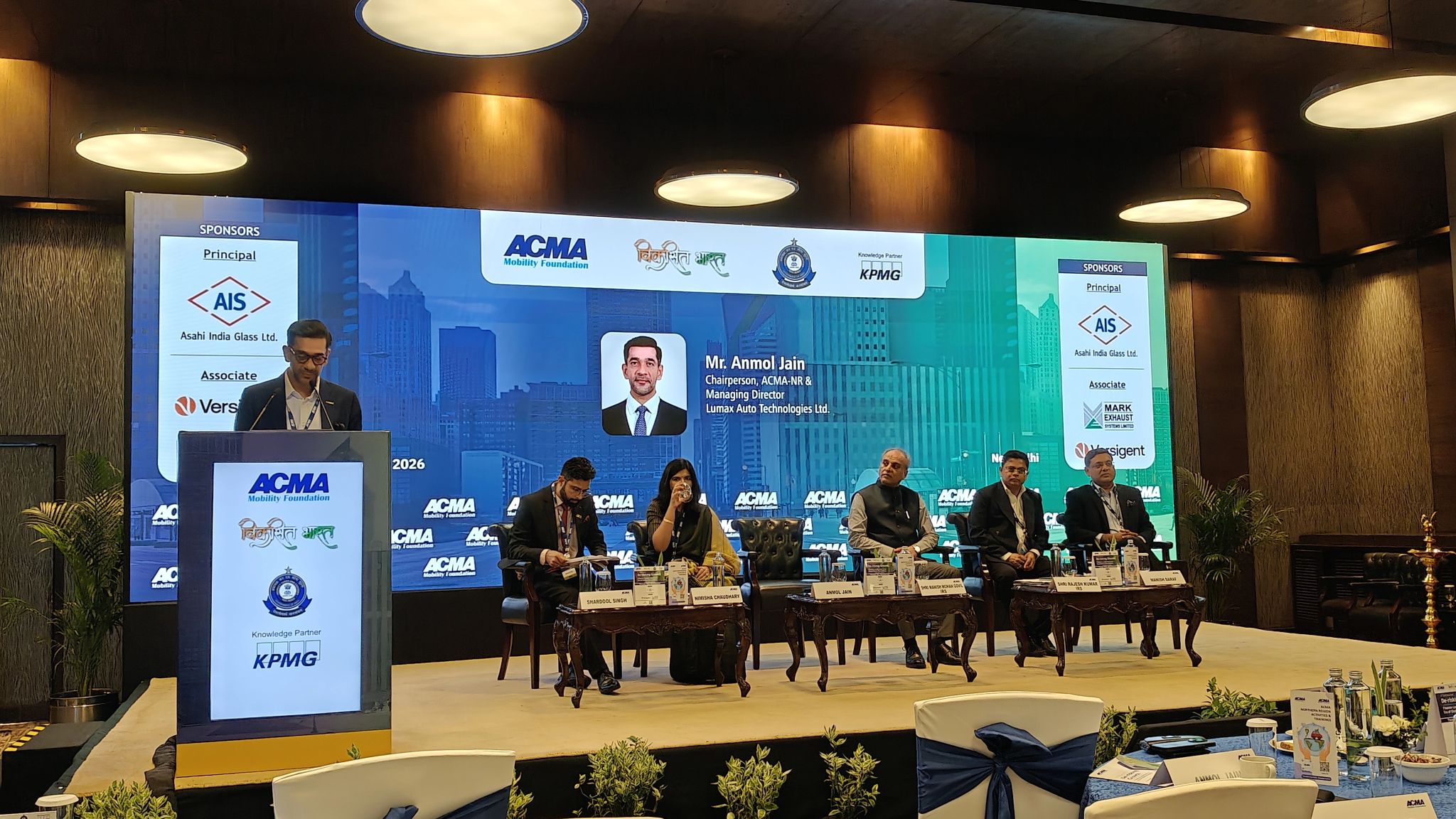
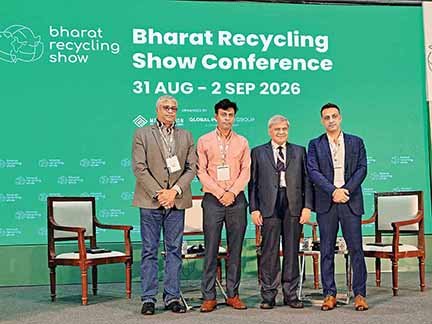
One of the key discussions focused on “ELV Recycling in India: Finding the Right Model for Scale and Sustainability.” The session examined how India can transition from informal vehicle dismantling towards a more organised and resource-efficient recycling ecosystem.
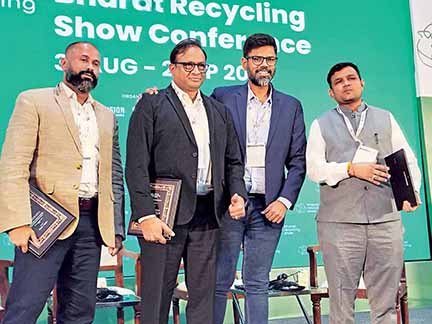
The panel was moderated by Kaushik Madhavan, Vice President & Head of Automotive Consulting, MarketsandMarkets. The panellists included Dinesh Chandra Upadhyay, Senior Consultant | Automobile Industry & ELV Expert; Surjeet Singh Verma, RVSF Planner, TVS Motor Company, Ankush Malhotra, Director, SAIMEX Trading Pvt Ltd; and Nitin Jain, Regional Head – Sales & Application, Formnax Technology Pvt Ltd.
The discussion also highlighted a shift in how India is approaching end-of-life vehicles (ELVs), with recycling increasingly viewed as a source of secondary raw materials rather than simply a waste-management exercise. ELVs contain recoverable steel, aluminium, copper, plastics, electronics and components, giving the sector a growing role in the automotive circular economy. Panellists noted that India now has 175 Registered Vehicle Scrapping Facilities (RVSFs), of which 153 are fully operational, with Uttar Pradesh emerging as a key hub. The focus, however, is now shifting from building the RVSF network to improving its capacity and utilisation. As vehicle scrappage scales up, the ability of these facilities to process larger volumes of ELVs will be critical to achieving the industry’s 10% scrappage target.
Formalising the Informal Sector
A key takeaway from the ELV panel was the need to integrate the informal recycling economy into a more formal and regulated framework. Informal operators have long contributed to vehicle dismantling, spare-parts recovery and scrap trading. Their experience and collection networks could be valuable in developing a more organised ecosystem. The discussion also referred to the Parivartan concept, which represents the broader transformation required in the vehicle-scrapping process. Approximately two lakh commercial vehicles were discussed in the context of the potential scrappage and recycling opportunity. The panellists also highlighted the recovery of / steel from vehicles, with a figure of around 8% steel recovery mentioned during the discussion. Improving the recovery of metals and other materials could support domestic resource efficiency and reduce the environmental burden associated with uncontrolled disposal.


The Economics of Scrapping
The commercial viability of ELV recycling was another major focus of the discussion, with the panel highlighting a projected market opportunity of approximately Rs 18,000 crore, while emphasising the challenge of capturing this value through an efficient business model.
Potential revenue streams include:
- Ferrous and non-ferrous metal recovery
- Sale of reusable spare parts
- Shredded and processed metal
- E-waste recycling
- Refined material streams
- Scrappage-related Certificates of Deposit (CoDs)
The discussion referred to CoD values ranging from approximately Rs 20,000 to Rs 50,000, with a separate reference to around Rs 80,000 in Rajasthan. These figures were discussed as examples rather than a uniform national valuation.
 The panel also examined the choice between manual dismantling and automated operations. An investment of approximately Rs 30 crore was cited in relation to automated operations, compared with around Rs 15 crore for manual operations. NITI Aayog’s analysis provides a broader benchmark, estimating an RVSF annual processing capacity of 20,000 vehicles, with an average capital cost of around Rs 14 crore, while noting that current RVSF utilisation remains below 20%. The discussion emphasised that automation alone cannot guarantee profitability; the economics also depend on a consistent supply of vehicles and sufficient throughput. However, the speakers emphasised that automation alone cannot guarantee profitability. The economics of shredding were another important aspect of the discussion. Shredders require significant capital investment, making a steady supply of ELVs and sufficient throughput essential for commercial viability. Multiple collection and dismantling centres may therefore be needed to keep shredding facilities supplied, particularly in urban markets. While automation can improve processing efficiency, manpower is still required for inspection, dismantling, maintenance, quality control and material handling. The panel therefore pointed towards a practical balance between manual operations and selective automation.
EVs Add New Complexity
The discussion also addressed the emerging challenges associated with electric vehicles. EV batteries require specialised handling because of their stored energy, material composition and potential safety risks. Reverse logistics, transportation, storage and battery processing are expected to become increasingly important as more EVs reach the end of their useful life. The panellists also noted that modern vehicles contain increasing quantities of electronics, wiring, control units, driver-assistance systems and software-dependent functions. This means ELV recycling is evolving beyond conventional mechanical dismantling and metal recovery. The panel further highlighted the importance of certification, environmental compliance and public acceptance. Concerns around land availability, pollution, traffic and the location of recycling facilities can affect the development of the sector. Stronger standards and transparent operating practices will be essential to building. public trust.
 Tyre Recycling: Turning Waste Into Value
Alongside ELV recycling, tyre recycling formed part of the broader discussions on the third day, highlighting another major challenge within the circular economy.
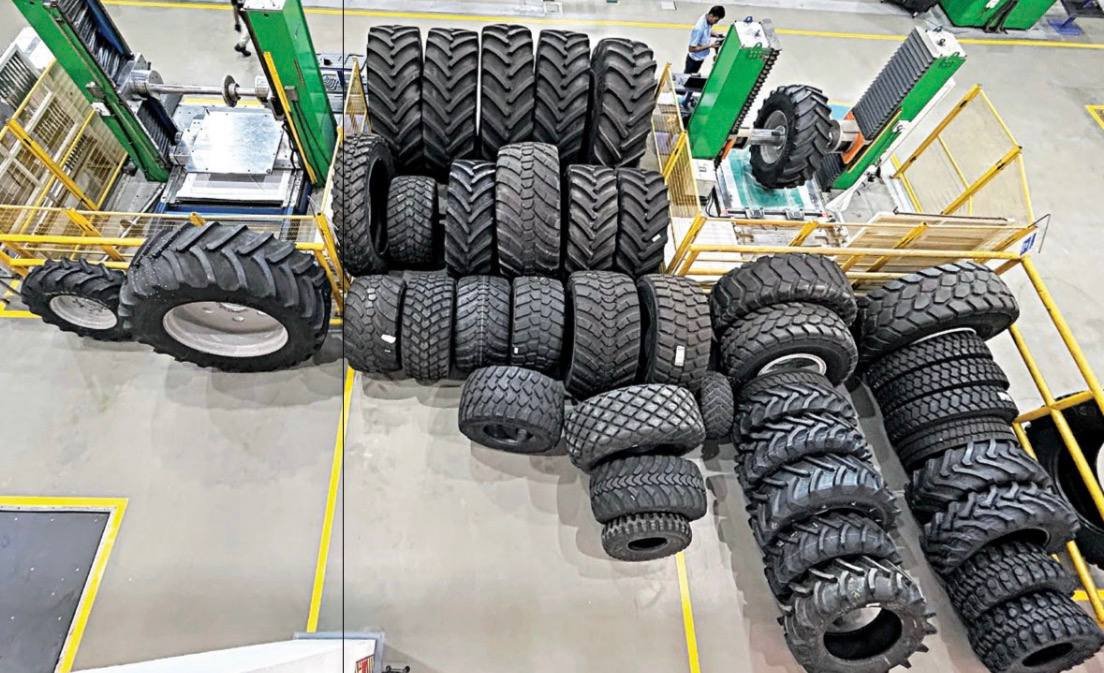
End-of-life tyres are complex products made from rubber, steel, textiles and chemical compounds. Their recycling requires specialised processes to recover materials and create commercially useful outputs. The industry must address collection, segregation, processing, quality consistency and the development of markets for recycled products. The discussions around tyre recycling reflected the importance of moving beyond disposal towards resource recovery and value creation. Recovered rubber, steel and other material streams can potentially support applications across manufacturing and industrial sectors, provided they meet the required quality and performance standards. The tyre-recycling ecosystem also faces challenges similar to those seen in ELV recycling: collection logistics, processing costs, technology investment and the need for reliable downstream demand. The broader industry conversation is increasingly focused on how recycled materials can be integrated into manufacturing supply chains, rather than remaining low-value outputs. This requires collaboration between recyclers, tyre manufacturers, technology providers, policymakers and end-use industries.
Technology and Scale Across Recycling
The discussions also brought attention to the role of technology in improving recycling efficiency. Across material streams, the industry is exploring ways to improve segregation, processing, recovery rates and the quality of recycled outputs. However, technology adoption must be aligned with the economics of each recycling stream. High capital expenditure, energy consumption, maintenance and feedstock availability all influence whether a recycling plant can operate sustainably. A successful facility requires a complete ecosystem-from collection and sorting to processing, quality control, market access and responsible disposal of residual waste. This is particularly important for India, where recycling businesses operate across a wide range of scales. While large facilities may benefit from advanced automation, smaller operators may require modular or semi-automated solutions that suit their available capital and material volumes.

 Building a Circular Economy
A common thread across the third day was the need to strengthen India’s circular-economy framework. Recycling can help recover valuable resources, reduce pressure on natural materials and minimise the environmental impact of waste. But these benefits depend on the creation of systems that are economically viable and environmentally responsible.
The discussions pointed towards several priorities:
Stronger collection networks: Efficient aggregation and reverse logistics are essential to ensure that recycling facilities receive adequate feedstock.
Formalisation and compliance: Integrating informal operators into regulated systems can improve traceability, environmental standards and worker safety.
Practical technology adoption: Automation and advanced processing must be selected according to material volumes, investment capacity and business requirements.
Stronger end markets: Recycled materials need consistent quality and reliable demand to become commercially sustainable.
Environmental responsibility: Safe handling of hazardous materials, proper waste treatment and responsible facility management are critical.
The Road Ahead
India’s recycling industry is entering a phase of expansion and greater organisation. The discussions on ELVs, tyres and recycling technologies showed that the sector’s future will depend on its ability to combine sustainability with commercial practicality. From recovering metals and reusable vehicle components to processing end-of-life tyres and developing advanced recycling systems, the opportunities are considerable. Yet, the challenges of collection, land, investment, technology, regulation and market development remain significant. The central message from the day was that India’s recycling future will be shaped not by isolated facilities, but by connected ecosystems. As industries pursue sustainability goals, the focus must shift towards building systems that recover more resources, reduce waste and create lasting economic value. The Bharat Recycling Show’s third day reflected this transition-where recycling is no longer viewed merely as the final stage of a product’s life, but as an essential part of the next cycle of manufacturing and consumption. ACI