

CEAT Specialty is expanding its Ambernath manufacturing capacity while strengthening its off-highway tyre portfolio, writes Upendra Kasbekar.
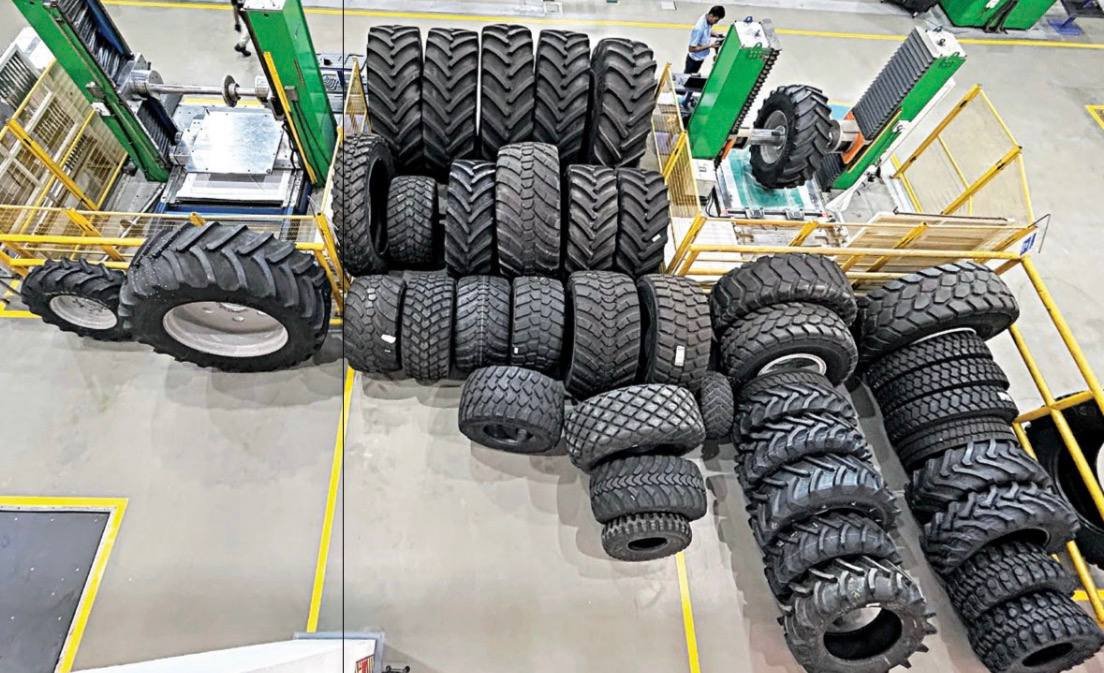
When CEAT Specialty established its dedicated manufacturing plant at Ambernath in 2018, agricultural radial tyres were its primary focus. Over the years, the facility has expanded its capabilities to include steel tyres, forestry tyres and Very High Flexion (VF) tyres, reflecting the changing requirements of the global off-highway tyre market.
 The plant has now reached another stage of expansion. Its current production capacity stands at approximately 105 tonnes per day, with plans to increase it to 160 tonnes per day over the next 45–60 days from the time of the interview. Operating at 90–95 per cent capacity utilisation, the facility is preparing to accommodate additional demand while strengthening its position in international markets. The expansion will add approximately 55 tonnes of daily production capacity. More importantly, it will provide CEAT Specialty with additional manufacturing headroom as it broadens its product portfolio and responds to opportunities across agricultural, forestry and other off-highway applications.
Focus On Exports
Unlike a facility primarily serving the domestic replacement market, Ambernath is oriented towards international customers. Its products reach Europe, North America, South America and Australia, with developed markets forming a significant part of its business. Europe accounts for approximately 20 per cent of the plant’s supply, according to Amit Tolani, Chief Executive, CEAT Specialty. The company has also recorded double-digit growth in exports in recent quarters, as discussed during the interview.
For a manufacturer operating across multiple geographies, export growth brings opportunities as well as compliance requirements. European regulations, particularly the European Union Deforestation Regulation (EUDR), have become an important consideration for rubber supply chains. CEAT began preparing for the regulation well before its implementation requirements became an immediate business concern. Tolani said the company had started its preparations approximately two years earlier and that its plants supplying the European market were compliant with EUDR requirements. The regulation makes traceability and the deforestation-free origin of applicable commodities, including natural rubber, important considerations for businesses supplying the region. Supply-chain disruptions and changes in international trade conditions can also create opportunities for suppliers capable of delivering consistent quality and dependable service. CEAT’s multi-market presence provides a degree of flexibility as the company evaluates demand across regions.
Steel OTR Opportunity
The next phase of development at Ambernath extends beyond agricultural tyres. CEAT is building a new steel off-the-road (OTR) tyre setup, with the objective of developing its steel product portfolio and entering the mining segment. The expansion at CEAT Specialty’s Ambernath plant reflects the company’s ambition to strengthen its position in the global off-highway tyre market. With production capacity set to increase from 105 to 160 tonnes per day, the facility is preparing to support growing export demand while expanding its product portfolio. “We are aiming to develop steel products and enter the mining segment with the new steel OTR setup we are building at this plant,” said Amit Tolani, Chief Executive, CEAT Specialty. The new setup represents an opportunity for CEAT Specialty to broaden its reach within the OHT market. However, the company’s ability to establish itself in mining will depend on developing products suited to the segment’s requirements and building the necessary customer relationships.
CAMSO Changes Mix
The integration of CAMSO has also reshaped CEAT Specialty’s business profile. CAMSO has an established presence in construction, material handling and solid tyres, complementing CEAT’s agricultural tyre capabilities and providing access to additional customers and channels. According to Tolani, CEAT Specialty’s business mix stood at approximately 50:50 between agricultural and construction tyres before CAMSO was included. Following the integration, the mix shifted to approximately 85 per cent agricultural tyres and 15 per cent construction tyres. The arrangement also defines how CEAT can develop the CAMSO portfolio. During the first three years, CEAT can sell compact construction tyres and tracks under the arrangement with CAMSO and Michelin. After this period, the company will be free to sell the CAMSO brand in other categories, as explained during the interview.
Digital Shopfloor
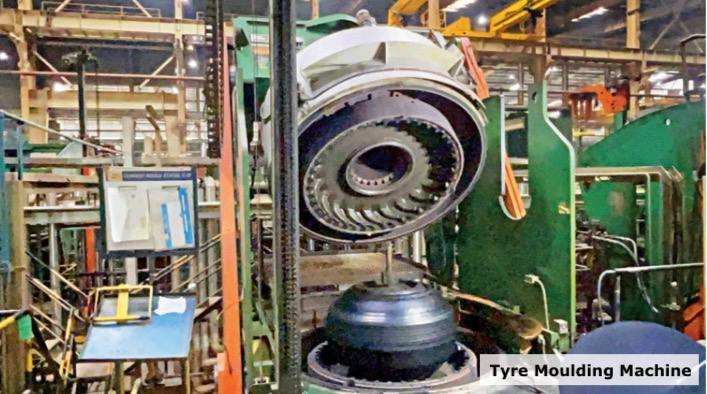
Alongside capacity expansion, digitalisation is becoming increasingly important to manufacturing operations. At Ambernath, supervisory control and data acquisition (SCADA) systems help monitor plant utilities, including steam lines, allowing teams to identify potential leaks more quickly than through manual inspection alone.
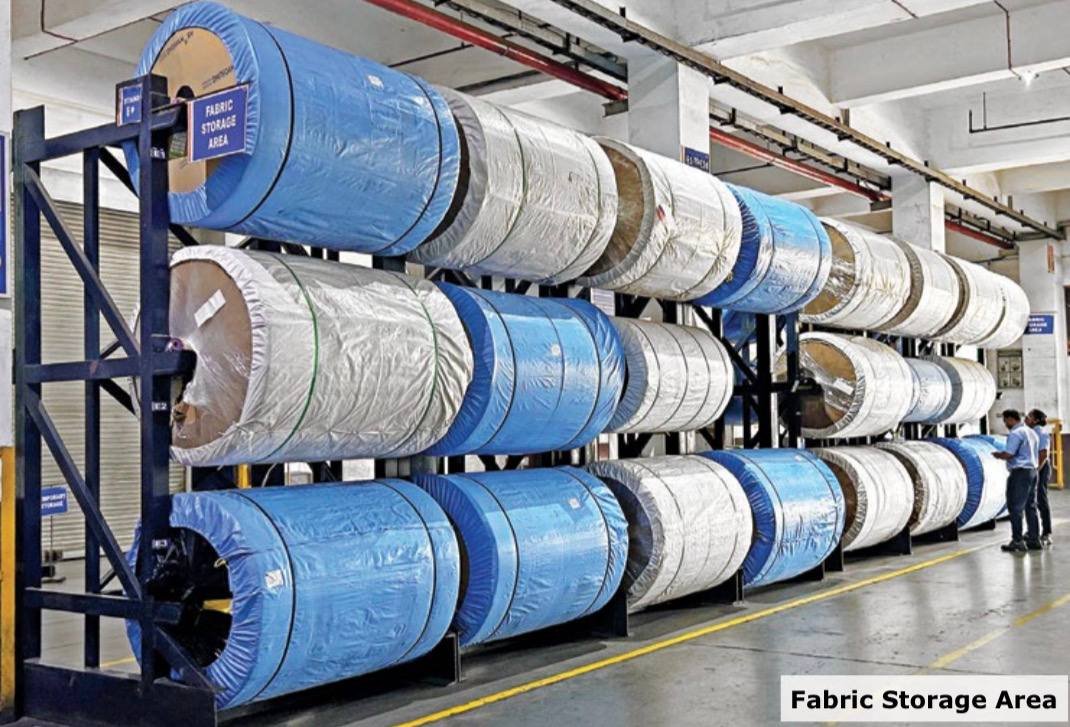
Digital traceability also supports tracking materials from the incoming stage through production to the finished product and its batch. This creates a clearer record of manufacturing processes and helps teams investigate quality-related issues. Artificial intelligence is another area of development. CEAT is working on the use of AI and high-resolution cameras to reduce dependence on manual visual inspection. Predictive analysis and improved material-mixing decisions are also part of the broader effort to improve manufacturing productivity. These applications are at different stages of development rather than all being fully deployed.
People And Sustainability
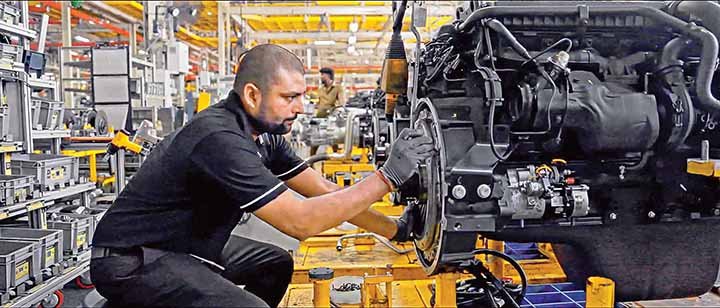
Technology remains only one part of the manufacturing process. Daily quality circles and employee-engagement initiatives encourage workers to take ownership of quality at their workstations. Tolani emphasised the importance of consistency, employee involvement and the ability to identify problems at the point of production.
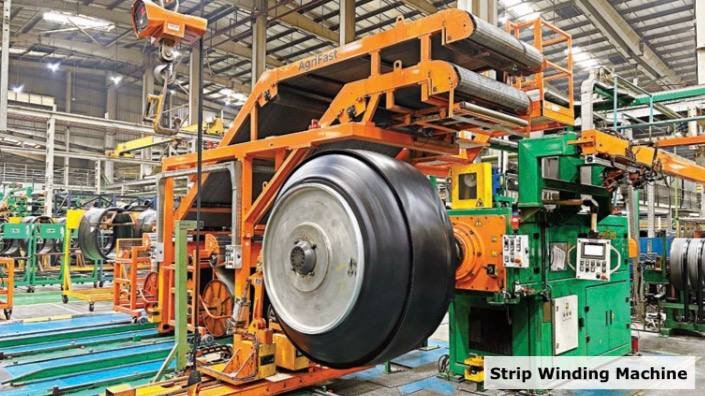
Automation is also changing the nature of shopfloor work, creating opportunities for employees to operate and monitor equipment rather than undertake physically demanding tasks. Women are working in machine-operation roles, with some progressing into management positions. Sustainability forms another part of the plant’s operating approach. Initiatives include rooftop solar power, energy efficiency and water recycling. CEAT’s SustainMax tyre offering also reflects efforts to incorporate more sustainable materials. Tolani said the product incorporates up to 90 per cent sustainable content, although the interview did not establish a detailed breakdown or calculation for that figure. He cited recycled crumb rubber and rice-derived silica among the materials used. For Ambernath, the priorities are therefore interconnected: expanding capacity, meeting international market requirements, developing additional OHT categories and improving manufacturing efficiency. As CEAT Specialty broadens its product range, the plant’s role in supporting the company’s export-oriented growth is likely to become increasingly significant. ACI