

Amit Tolani, Chief Executive, CEAT Specialty, discusses the company’s export strategy, in this conversation with Upendra Kasbekar.
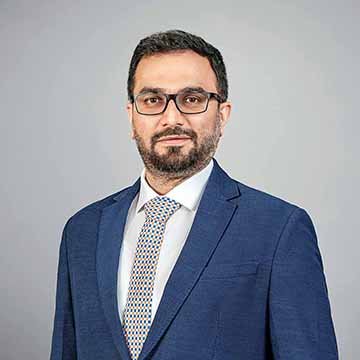
Amit Tolani, Chief executive, Ceat specialty
Q. What are Ambernath’s key export markets, and how important are exports to CEAT Specialty?
A. Ambernath is focused on international markets and does not supply the domestic market. Our products reach Europe, North America, South America and Australia, with developed markets accounting for a significant share. Europe represents approximately 20per cent of the plant’s supply. We have recorded double-digit growth in exports in recent quarters, and the capacity expansion will help us support future demand.
“The CAMSO arrangement opens opportunities for us to expand into compact construction tyres, tracks and other categories.
Q. How will the capacity expansion support your product strategy?
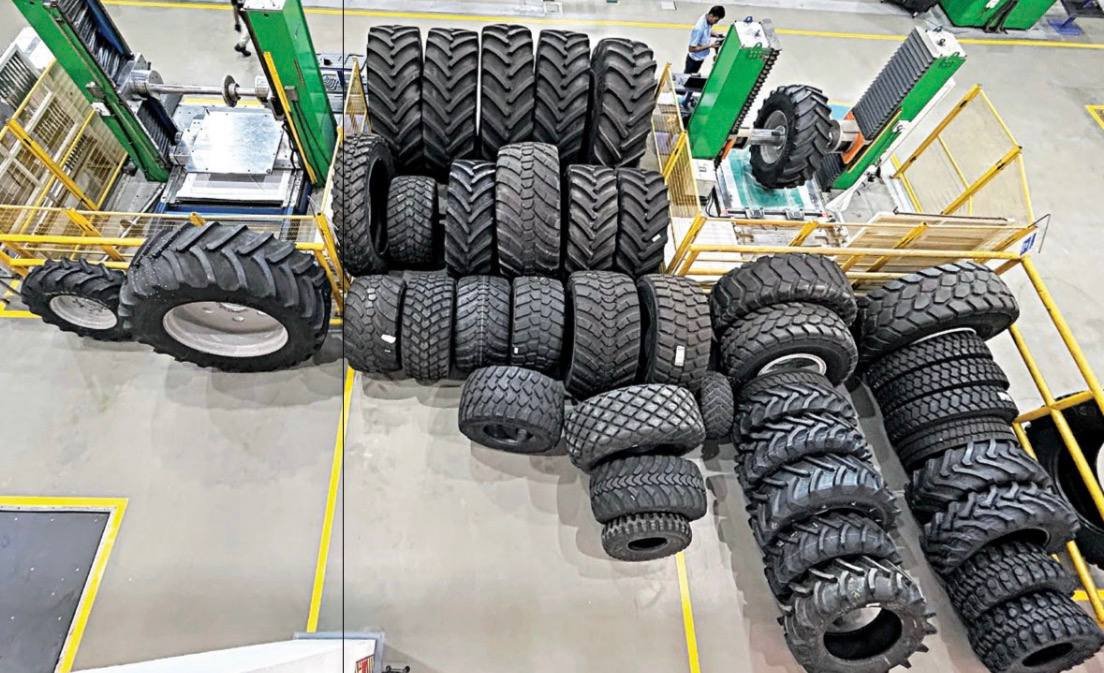
A. The plant currently has a capacity of approximately 105 tonnes per day, which we are expanding to 160 tonnes per day. Capacity utilisation is around 90–95per cent, so the additional capacity will provide room to support business growth. Ambernath has evolved from its original focus on agricultural radial tyres to include forestry, VF and steel products. We are also developing a steel OTR setup to expand our product capabilities and enter the mining segment.
Q. How is CAMSO changing CEAT Specialty’s business mix?
A. Before CAMSO was included, our business mix was approximately 50:50 between agricultural and construction tyres. Following the integration, the mix shifted to around 85 per cent agricultural tyres and 15per cent construction tyres. CAMSO brings an established presence in construction, material handling and solid tyres. It also complements our existing capabilities by providing access to additional OEMs and sales channels.
Q. What opportunities does the CAMSO arrangement provide?
A. The arrangement allows us to develop our presence in compact construction tyres and tracks during the first three years. After this period, we will be free to sell the CAMSO brand in other categories. This provides a structured opportunity to expand our participation in the construction and material-handling segments while continuing to build our agricultural tyre business.
Q. How are digital technologies improving manufacturing productivity?
A.Digitalisation helps us improve process visibility, traceability and productivity. SCADA systems help monitor utilities such as steam lines and identify potential leaks more quickly. Traceability systems enable us to follow materials from the raw-material stage through to the finished product and its batch. We are also working on AI applications, including high-resolution camera-based inspection and predictive analysis. These technologies can help improve consistency, reduce manual intervention and support better manufacturing decisions. ACI