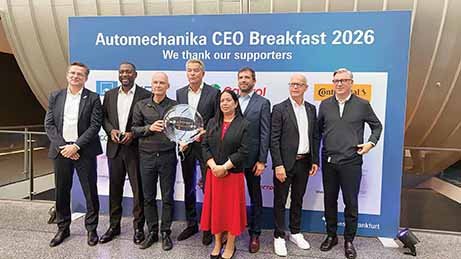


In an exclusive interview with Richa Tyagi, Vikrampati Singhania, President, ACMA, addresses the mounting public concern and engineering realities surrounding the impact of E20 fuel on vehicles.

Vikrampati Singhania, President, ACMA
Q. How prepared is the component industry for the next phase of CAFE norms for both passenger and commercial vehicles?
A. The industry is fully prepared to support any mandates set by Original Equipment Manufacturers (OEMs) or the government. Whether it requires new capital expenditures or technology adoptions, the sector is well-positioned to meet these requirements.
Q. Can you share a ballpark estimate of the investments component manufacturers have made or expect to make to align with these new norms?
A. Exact aggregate figures are difficult to state as individual companies make their own assessments. However, as OEs scale up and double investments, component manufacturers are scaling up in tandem.
Q. There is significant public concern regarding the impact of E20 fuel on older vehicles, specifically regarding engine wear and fuel efficiency. How would you characterise the engineering reality versus public perception?
A. We do not have enough data at this point in time to be able to say whether there is significant damage or if there is damage at all and what the exact impact on wear and tear is because of E20. We continue to work with OEs because they are the primary point of contact. If enough evidence emerges indicating that these issues are evolving, we will work very closely with the OEs to resolve them as we move forward. However we do not have a clear answer on this.
Q. What are the primary challenges component manufacturers currently face, across different powertrains, regarding EVs versus alternative fuels like E20?
A. There is no direct complication or overlap between fuel-based systems and the EV side. For EVs, the primary hurdles centre on the localisation of the supply chain, managing high battery costs, and securing raw materials for motors. Fortunately, these challenges are steadily being sorted out as more localisation takes across the sector. On the non-EV front, technologies are similarly evolving across hybrids, CNG and biogas. The component industry stands ready to work closely with OEMs to supply the appropriate technologies for these segments.
When looking at higher ethanol blends like E20 and the potential transition toward E85, comprehensive public data regarding specific components, such as gaskets and rubbers, is limited. The component industry is fully prepared to collaborate with OEMs to modify, upgrade and adapt metallurgy and polymer technologies as government mandates and fuel standards evolve.
Q. Is ACMA currently working with the government on any specific policy frameworks?
A. The government has always been supportive of the component industry. Collaborative efforts focus on two main fronts: reducing import dependency by bringing in newer technologies for OEs, and driving export growth through Bilateral Trade Agreements (BTAs) and Free Trade Agreements (FTAs).
Q. Given the current global and domestic macroeconomic environment, what is the big-picture outlook for the industry for fiscal years 2026 and 2027?
A. The sector experienced solid growth last year, and given the national economic momentum, we expect this strength to continue. With positive first-quarter numbers, we are optimistic that this momentum will persist through the fiscal year.
Q. You noted a labor shortage in your presentation. Why is this happening, and how is the industry planning to overcome it?
A. The labor shortage was primarily triggered by the West Asia crisis and rising living costs in major cities, which prompted workers to return home. As local opportunities expand, workers may choose to remain closer to their hometowns. To sustain growth, the industry is combining human labor with automation, mechanisation, and robotisation. Upskilling the workforce and integrating electronics into machinery will further enhance overall labor productivity.