


India’s mobility landscape is changing at an unprecedented pace. As urban areas grow, freight routes evolve, and public transport serves a broader population, people now expect even more from mobility platforms, writes R G Arora, MD, MSL, a JCBL Group company.
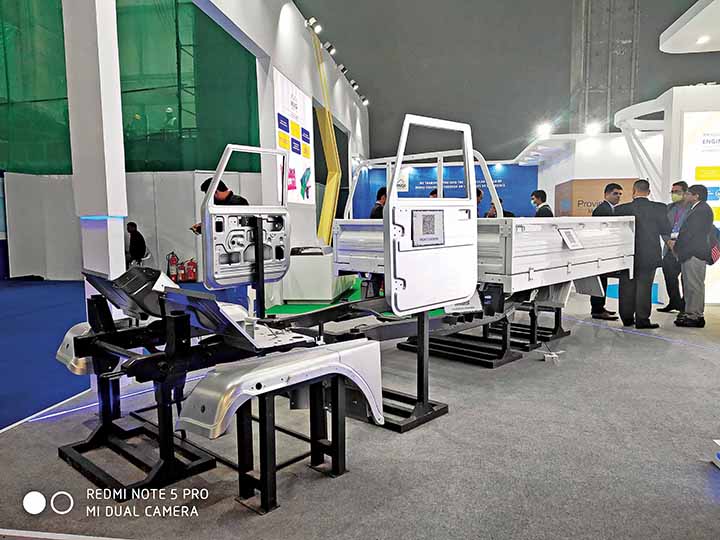
Modern vehicles need to be efficient, tough, safe, and environmentally friendly, and they have to work within increasingly complex systems. That’s why materials engineering is now front and centre in how we design for mobility. Composites are now a key part of design strategies in automotive, rail, and public transport, not just used for special parts. The drive to make vehicles lighter, more energy-efficient, longer-lasting, and more sustainable has put them in the spotlight. As investment in infrastructure is increasing, the materials chosen will help shape the future of mobility.
One major advantage of using composites is that they reduce vehicle weight. This weight reduction means standard vehicles burn less fuel, while electric vehicles can travel longer distances. In rail transport, lighter vehicles have brought about real changes: they reduce energy use, minimise track wear, and help trains run more smoothly. Because these benefits last throughout a vehicle’s lifetime, more industries are now choosing lighter designs. This move also allows project teams to try out new ways of building. Vehicle manufacturers often find that simplicity works best. They tend to choose modular components, creative design solutions, and parts that assemble easily. When vehicles perform reliably over time, it boosts confidence in both the manufacturers and their products.
People often think about durability, particularly when it comes to India’s transport networks. There’s no shortage of challenges think heat, humidity, dust, and constant heavy use. But composites hold up where others might not. They’re not prone to rust or wearing out quickly, so maintenance bills drop, and vehicles keep running longer than you’d expect. For managers and regulators, what counts most is that these materials keep things running without too many hiccups, making it easier to avoid service delays and keep everything rolling.
In mobility, the real test of any material choice is how it performs over time, not just at the point of delivery. Composites support a lifecycle-led approach, where mobility solutions are designed with inspection, repair, and upgrades in mind from the start. Their resistance to corrosion and fatigue helps extend service intervals and reduce unexpected downtime. This predictability matters in large transport networks, where even small disruptions can ripple across the system. When materials age gracefully, operators gain flexibility in planning refurbishments rather than reacting to failures. Over the long term, this approach improves asset utilisation and lowers the total cost of ownership. Lifecycle thinking also encourages more disciplined design decisions early on, which pays dividends years down the line.
Right now, India’s manufacturers are facing a significant shift. There’s been a real boost from backing local production and new materials, but now the pressure is on to turn that momentum into results. When companies invest in testing, certification, and practical research, it builds trust in composites for mobility. In the long run, it’s skilled local teams that will keep the sector out in front.
Innovation in mobility materials only delivers value when it can move beyond prototypes and into consistent, repeatable production. Scaling composites for widespread use requires careful attention to manufacturing processes, quality control, and supply chain readiness. Standardisation plays a key role here, helping ensure that performance seen in trials is reliably achieved in real-world operations.
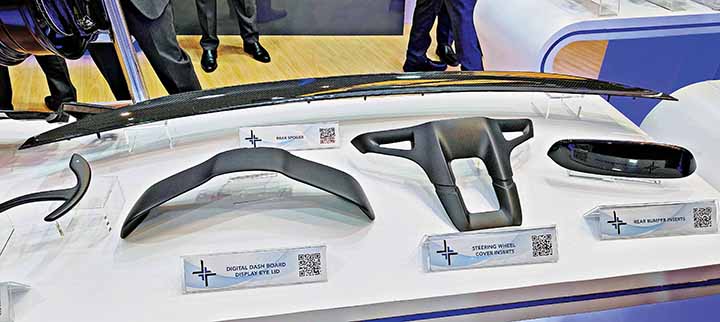
As demand grows, manufacturers must balance innovation with stability, ensuring that new solutions integrate smoothly into existing systems. This transition from pilot projects to full-scale deployment is where many technologies are tested most rigorously. Success depends on disciplined execution as much as on technical capability. When done well, it builds confidence across the entire ecosystem.
Composites give designers greater freedom to rethink form, layout, and integration, but this flexibility works best when guided by engineering discipline. Complex geometries, integrated panels, and cleaner interior solutions can be achieved without adding unnecessary parts or weight. At the same time, successful composite design requires careful attention to load paths, tolerances, and long-term behaviour.
When these factors are addressed early, design intent and structural performance reinforce each other. This approach reduces overengineering and avoids complexity for its own sake. The result is mobility solutions that feel refined rather than experimental. Thoughtful use of composites allows creativity to serve function, not compete with it. Mobility design is changing fast, and composites are keeping pace. Vehicles aren’t standalone anymore; they’re part of wider, connected networks, meaning materials need to support modular layouts, simple repairs, and reliable performance for the long haul.
With more electric vehicles on the road, cutting weight and saving energy have become more critical than ever. Using composite bodies helps on both fronts, giving passengers a smoother, safer ride. Drivers and operators find them easier to repair, and they hold up well in daily use. Operators also like that they’re easy to fix and perform reliably.
Selecting materials for mobility platforms is no longer a purely technical exercise. These choices influence procurement strategies, regulatory compliance, operating costs, and long-term risk exposure. Composites, in particular, require early alignment between engineering, operations, and leadership teams. This strategic alignment becomes increasingly important as mobility systems grow more complex and interconnected. Treating material selection as a leadership decision helps avoid short-term trade-offs that can limit performance later.
As India builds its manufacturing base, developing local know-how for designing and making advanced composites will mark real industrial progress. Expertise like this gives companies an edge in exporting, particularly as more countries seek reliable mobility options. Nowadays, composites feature in mobility projects from the very beginning. The choice of materials can influence how a product is built, how it works with the larger system, and the approach you take to maintenance. Achieving success in this area takes ongoing investment and a commitment to long-term planning.
No single stakeholder can drive the shift to advanced composites on their own. Progress depends on close collaboration between designers, material specialists, manufacturers, operators, and regulators. When these groups engage early, materials can be aligned with real operating conditions rather than theoretical assumptions. This shared understanding reduces rework, speeds up approvals, and improves long-term performance. It also helps regulators and operators develop confidence in newer solutions through transparency and shared data. Over time, such collaboration creates a stronger feedback loop between design intent and operational reality. In a rapidly evolving mobility landscape, this collective approach becomes a competitive advantage in itself.
Mobility systems are evolving in ways that are difficult to predict, but not impossible to prepare for. Vehicles today must accommodate new propulsion technologies, updated safety standards, and changing expectations around comfort and accessibility. Composites support this adaptability by allowing flexible design approaches and easier integration of future upgrades. Materials that enable adaptation reduce the risk of premature obsolescence.
Convincing operators, regulators, and regular passengers to trust new solutions doesn’t happen overnight. Most people want proof that these alternatives are genuinely effective and can last over the long haul. Building trust takes time. It means setting the bar high, being transparent about how things are tested, and demonstrating it through real-world outcomes. The industry’s job is to accelerate the move to composites and ensure new materials actually meet tomorrow’s transportation needs.
Building better transportation isn’t just about spending more on infrastructure. The real difference comes from using the right materials, keeping manufacturing solid, and thinking ahead of time. When experts and leaders team up, they can shape composites that make current systems stronger and prepare us for what’s down the road.

