

In India’s harsh monsoon climate, corrosion silently destroys vehicles, yet a simple solution, zinc galvanization, can enhance durability, safety, and long-term value, writes Ana Paula Domingos Cardoso, Associated Director of IZA Galvanizing Autobody Partnership.
Imagine this: Two identical cars, side by side in Mumbai’s relentless monsoon. One, factory-galvanized with zinc-coated steel, glimmers like the day it rolled off the line. The other, unprotected, shows early signs of rust – paint blisters, corroded underbody, and weakening panels. In five years, one still turns heads; the other struggles to retain value. What made the difference? The presence of Zinc.
In India’s urban and coastal environments, vehicles face a constant storm: high humidity, saline air, air pollution, and torrential rains. These conditions create ideal breeding grounds for corrosion, posing an often-overlooked threat to one of a household’s most valuable assets – its vehicle.
Rust is progressive and destructive. Left unchecked, it compromises structural integrity, escalates repair costs, diminishes resale value, and can ultimately jeopardise safety. In such demanding climates, cars built with factory-galvanized, zinc-coated steel offer the most reliable and maintenance-free protection against long-term deterioration.
Steel constitutes more than 70% of a car’s structure, delivering the strength essential for performance and occupant protection. Yet steel remains inherently vulnerable to corrosion from moisture, pollutants, and sustained humidity. Traditional protections like paint coatings or aftermarket rust-proofing act only as surface barriers and often fail once scratched or worn.
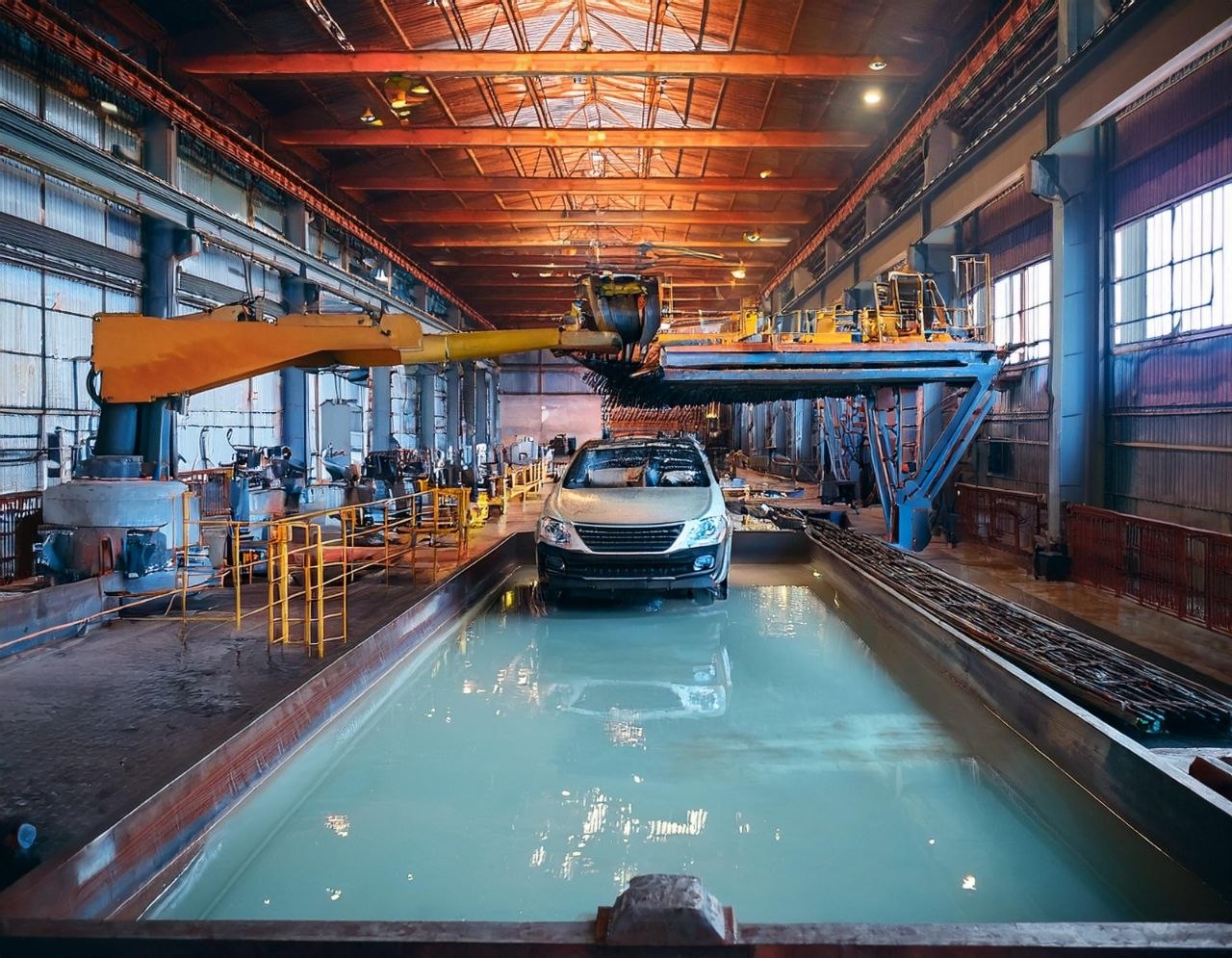
Zinc hot dip galvanizing, however, delivers structural protection. At the material stage, high-purity zinc is supplied to steel manufacturers, who produce automotive-grade galvanized sheets that are then used by OEMs during body-in-white (BIW) manufacturing and exposed car parts as doors, panels, top, and side roofs. Domestic producers like Hindustan Zinc play a pivotal role in supplying high-purity zinc to steel manufacturers, enabling the production of galvanized sheets that form the backbone of durable, corrosion-resistant vehicles. Because zinc is sacrificial in nature, it corrodes preferentially, protecting the underlying steel even at scratches or dents, creating a self-healing, long-lasting shield engineered for India’s climatic realities.
The India Gap: Why Domestic Cars Lag Behind
Despite the proven benefits, most vehicles under ₹12 lakhs sold in India do not feature full-body galvanization. While some automakers use galvanized panels in select structural areas such as the body-in-white (BIW), comprehensive corrosion protection across the entire structure remains inconsistent in the domestic market.
Ironically, vehicles manufactured in India for export markets are typically fully galvanized to meet stringent international corrosion standards. In mature automotive markets across Europe, North America, Japan, and China, galvanized steel usage exceeds 90–95%, often supported by long-term anti-perforation warranties.
Unlike several global automotive markets, India does not mandate comprehensive anti-corrosion standards. In the absence of regulatory direction and strong consumer demand, corrosion protection is frequently treated as a discretionary cost element rather than an essential safeguard for structural safety and longevity.
Crucially, galvanization is integrated during steel production and vehicle manufacturing; it cannot be retrofitted once a car is assembled. As such, corrosion protection must be engineered into the vehicle at the design and production stage rather than treated as a post-purchase solution.
Evidence from independent academic studies highlights the urgency. Research conducted by IIT Bombay examining over 500 vehicles in coastal Mumbai found widespread corrosion in non-galvanized cars within five years, while galvanized vehicles demonstrated sustained structural integrity. Comparable assessments in Chennai have documented accelerated corrosion rates in untreated vehicles operating in saline coastal climates.
Across India’s coastal regions, from Mumbai to Visakhapatnam to Chennai, owners of non-galvanized vehicles commonly encounter premature rusting, paint blistering, panel thinning, and underbody corrosion. By contrast, vehicles built with galvanized steel retain structural integrity, visual appeal, and resale value with minimal additional upkeep.
Economics of Galvanized Steel: Tiny Cost, Huge Value
The cost impact of using zinc-coated galvanized steel is estimated to add less than 0.1% to overall vehicle production costs. Yet the return on that marginal investment is substantial with extended structural life, improved safety, stronger resale value and reduced long-term ownership costs.
As Indian consumers increasingly prioritise premium features like panoramic sunroofs, digital infotainment, ADAS, and electric mobility, the structural foundation of the vehicle must not be overlooked. No technological innovation can compensate for a corroding frame.
If India aspires to solidify its position as a global automotive manufacturing hub, domestic buyers deserve the same corrosion standards as export customers. Bridging this gap will require coordinated action, informed consumers demanding transparency on galvanisation levels, manufacturers prioritising structural durability, and policymakers considering anti-corrosion norms suited to India’s environmental conditions.
In a country defined by humidity, salinity, pollution, and monsoons, galvanisation is not a premium upgrade. It is foundational engineering.
For India’s automotive future, zinc-coated steel is not optional; it is essential for durability, safety, and long-term value.