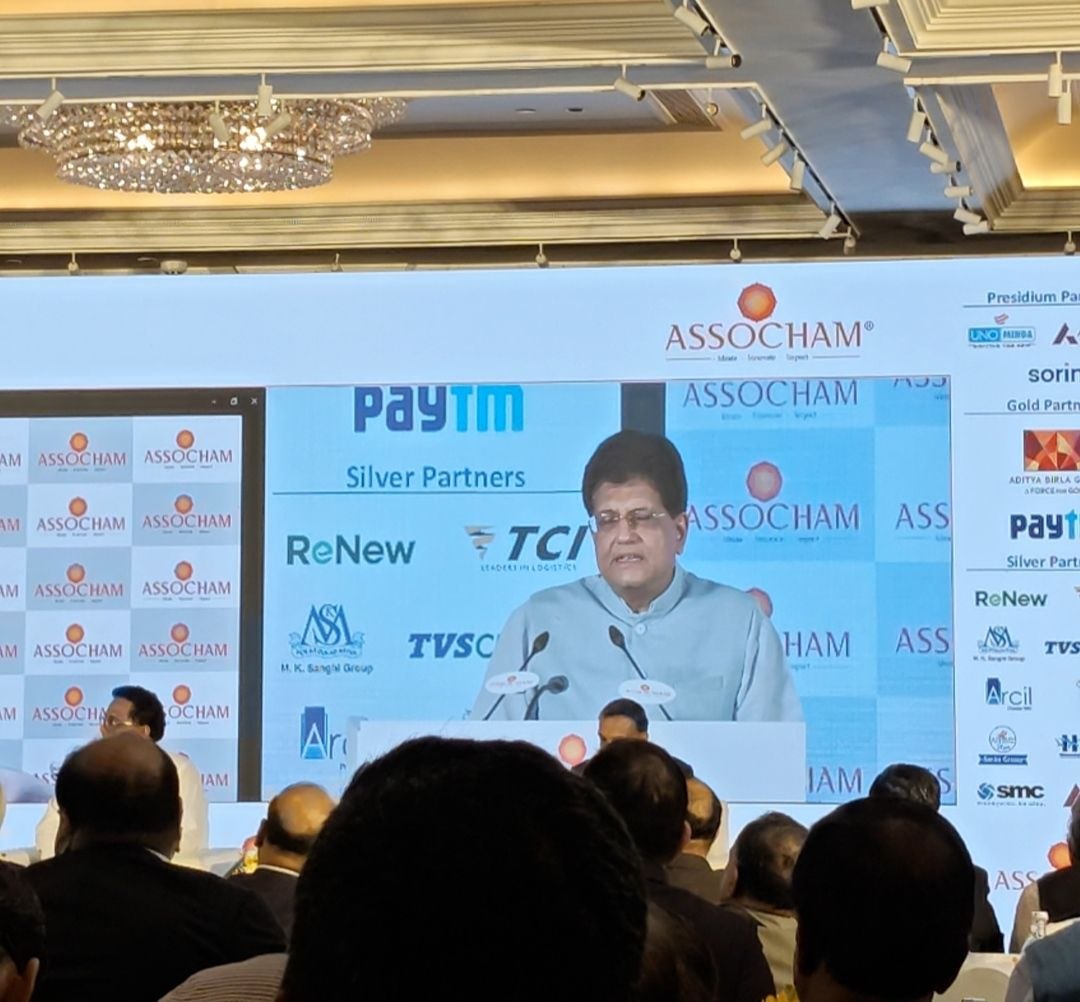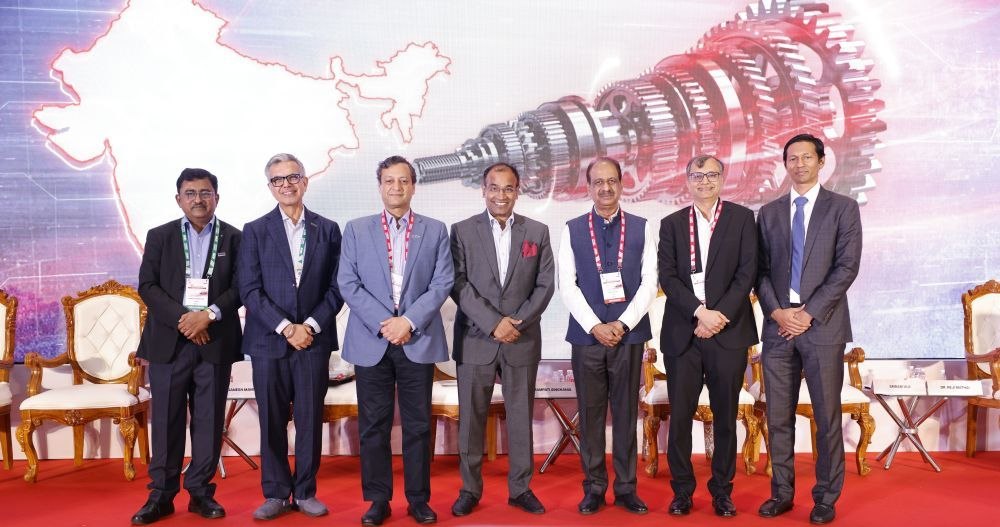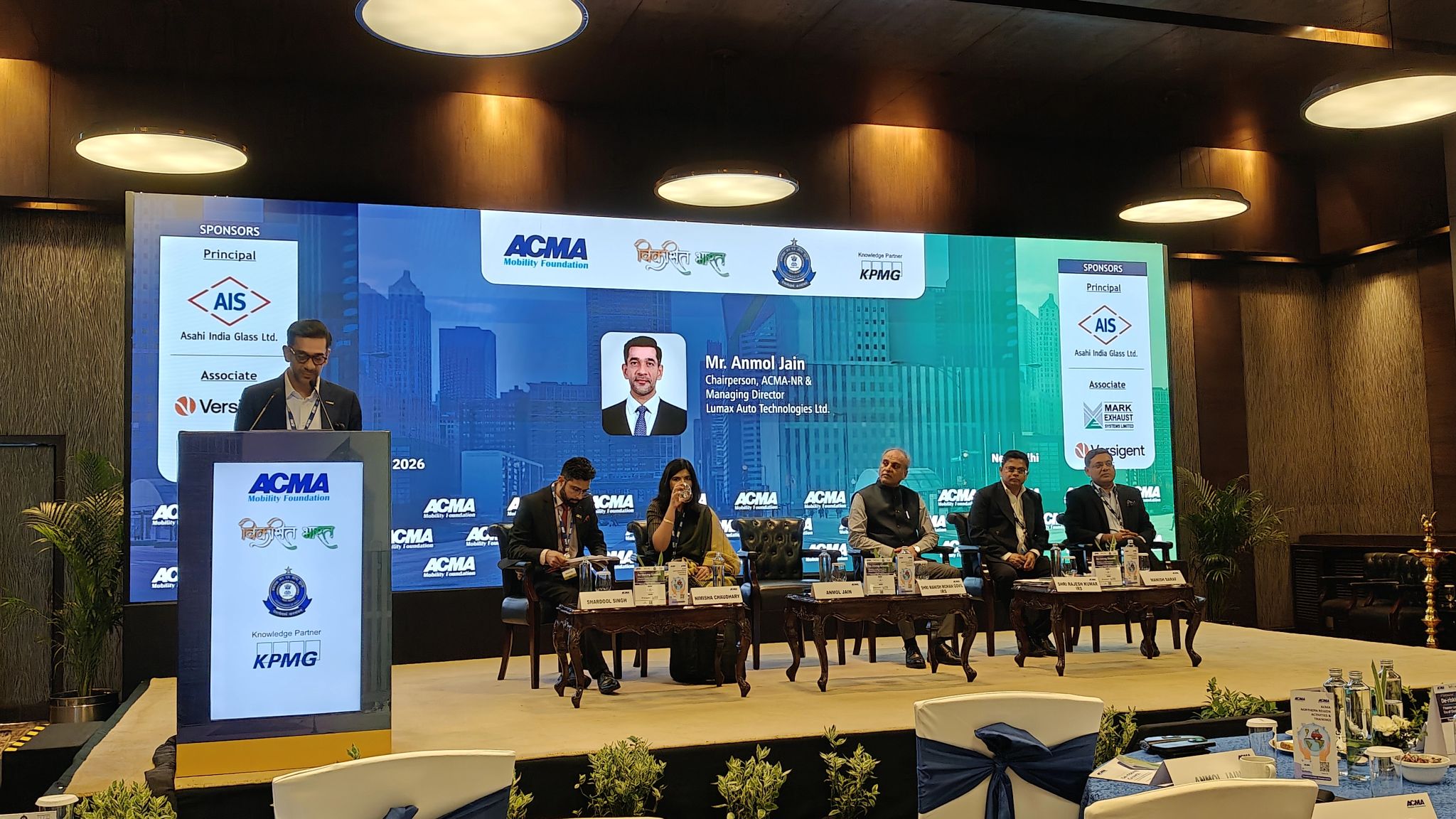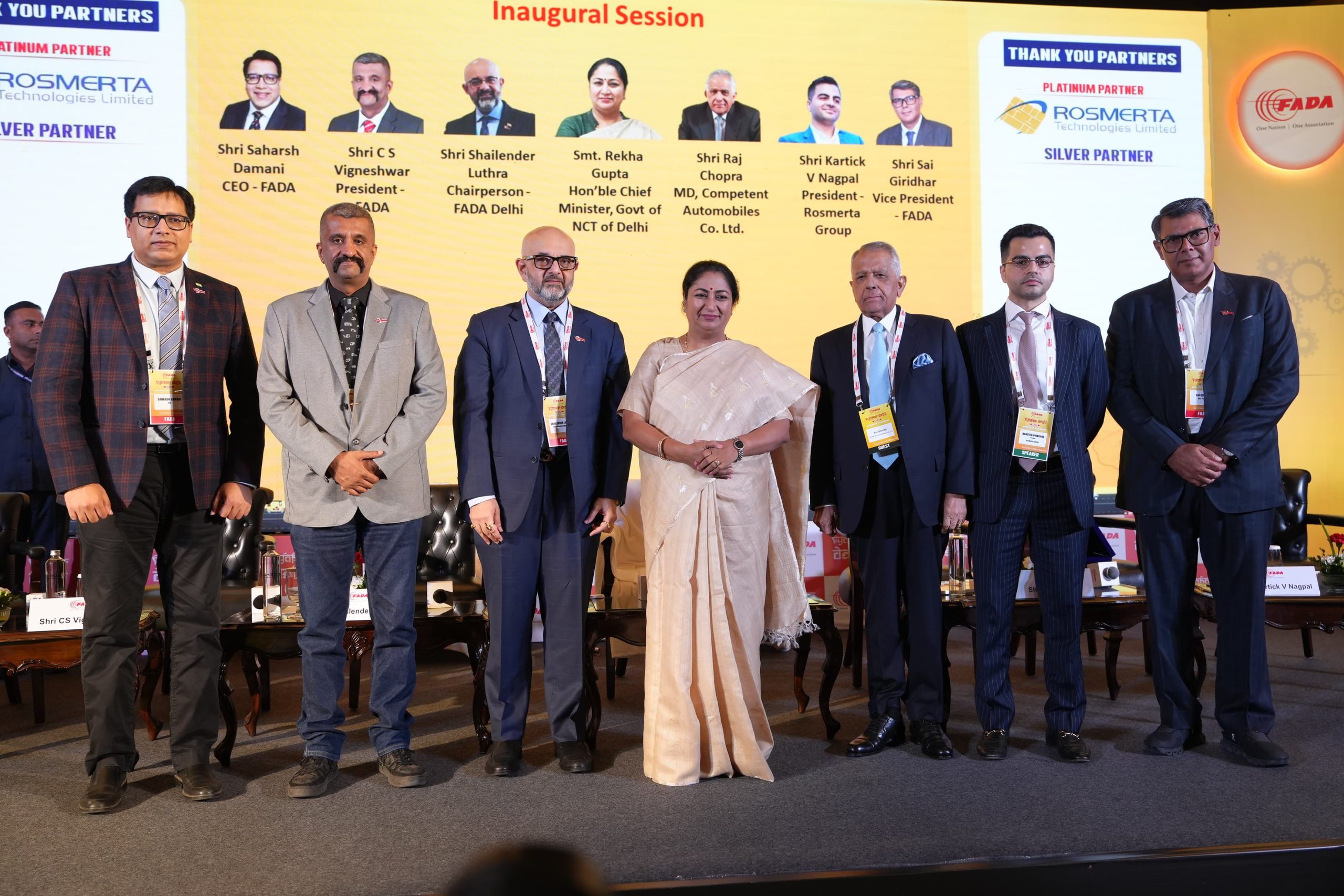


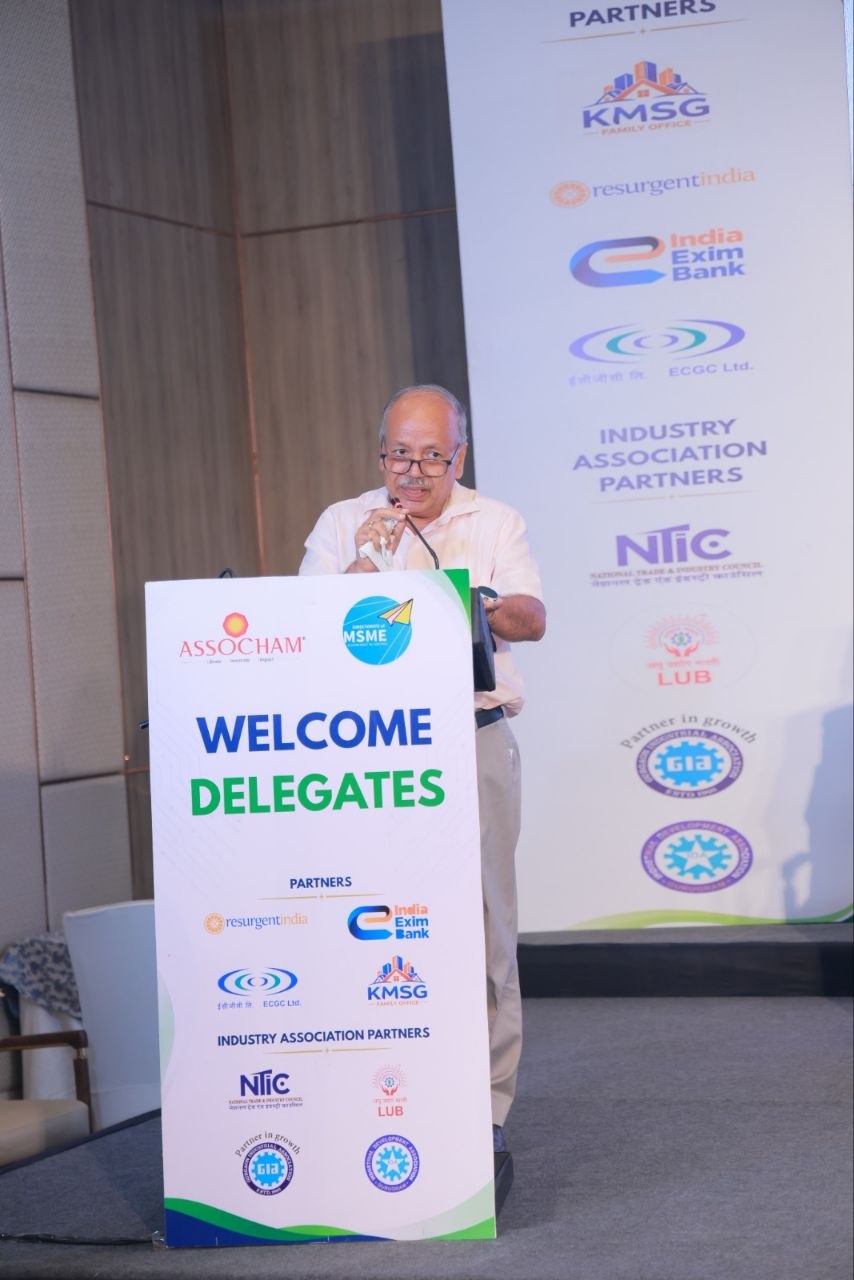
India’s electric vehicle (EV) market is expected to expand rapidly over the coming years, creating significant opportunities for domestic component manufacturers, according to Sanjeev Chawla, Additional Development Commissioner, MSME DFO, Karnal, Government of Haryana. Addressing ASSOCHAM Northern Region’s EV Ancillaries and Auto Components Conclave 2026 as the Chief Guest, he urged industry to accelerate innovation, strengthen intellectual property creation, and leverage government support to build a globally competitive EV supply chain.
The conclave commenced with a welcome address by Sanjay Jain, Senior Industry Member, Haryana State Development Council, ASSOCHAM. Rajiv K. Chawla, Chairman & Founder, JaiRaj Group and Chairman, IamSMEofIndia, presented the industry’s perspective, while Abhijit Mulay, Deputy Director, Automotive Electronics & E-mobility Group, Automotive Research Association of India (ARAI), outlined the regulatory and policy landscape for the sector.
The event was attended by senior government officials including Mohit Garg, Deputy Director, Department of Industries and Commerce, Government of Haryana; M. K. Sardana, Co-ordinator, Department of Industries and Commerce, Government of Haryana; and Ajay Mohan Goyal, Joint Director, Department of Industries and Commerce, Government of Haryana, along with leading industrialists, financial institutions, and technical experts.
Speaking at the conclave, Sanjeev Chawla said, “Electric vehicle penetration in India currently stands at around 8.5%, translating to nearly 50 lakh vehicles, and this is set to rise to 30% by 2030, just four years away. This represents a massive opportunity, and enterprises must ask themselves where they can fit into the value chain, whether in suspension systems, battery management systems, switches, harnesses, or BLDC motors. To capture this opportunity, industry must invest in innovation, document it properly, and file for IPR and patents, for which the government offers significant grants and incentives. Wealth creation and real growth come only through innovation — traditional manufacturing can sustain a business, but true growth demands continuous innovation, a stronger focus on quality through lean manufacturing and Industry 4.0 tools, and greater support for Indian component manufacturers so that India’s EV supply chain is built at home rather than imported.”
Delivering the government perspective, M. K. Sardana, Co-ordinator, Department of Industries and Commerce, Government of Haryana, highlighted the structural shift taking place in the automotive sector. He said, “A conventional fossil fuel vehicle has nearly 2,000 moving parts, while an electric vehicle has only about 18. As per a NITI Aayog report, 30% of all vehicles on Indian roads will be electric by 2030 — and 2030 is not far away, just four years from now. Enterprises connected with conventional automobiles must gear up accordingly, including on the financial side, since the battery alone accounts for nearly one-third of an EV’s cost and is manufactured by very few players. The Government of Haryana recently launched its umbrella policy, Invest in Haryana 2026, personally unveiled by the Hon’ble Chief Minister, under which several sectoral policies were also launched — with the EV policy among the first. The EV policy launched in 2022 remains in place till 2027, and an exclusive MSME policy is expected within a month.”
Addressing participants, Ajay Mohan Goyal, Joint Director, Department of Industries and Commerce, Government of Haryana, emphasised Haryana’s leadership in India’s automotive sector and its readiness for the EV transition. He said, “The future of the automotive industry will not be determined by who manufactures the most vehicles, but by who builds the most competitive electric mobility ecosystem. Haryana enters the electric mobility era from a position of considerable industrial strength, producing nearly 50% of all cars and 60% of all motorcycles made in India. Recognising this potential, electric vehicles have been identified as a thrust sector under the Haryana Industrial Policy 2026, and the state remains committed, under the leadership of Chief Minister Shri Nayab Singh Saini, to working closely with industry to build a competitive, innovative and future-ready EV ecosystem.”
The conclave featured insightful technical sessions with leading experts including Musarat Hussain, Head, Suzuki R&D Centre India Pvt. Ltd.; Lavnish Goyal, Researcher, ICCT; and Mukesh Malhotra, Bony Polymers Pvt. Ltd., alongside representatives from financial institutions and technical organisations. Discussions covered regulatory compliance, financing solutions for MSMEs, export opportunities, localisation of EV components, adoption of emerging technologies, skill development, innovation, and sustainable manufacturing practices.
Concluding the event, Ravinder Chandla, Regional Director – North, ASSOCHAM, reaffirmed the chamber’s commitment to partnering with the Government of Haryana and industry stakeholders through policy advocacy, industry engagement, and knowledge-sharing initiatives aimed at strengthening Haryana’s EV ancillary and auto components ecosystem.