

From customised factories to tighter production timelines, auto-component makers’ changing needs are reshaping industrial park development, writes Sahil Kesari.
Auto-component manufacturers absorbed 4.8 million sq. ft. of industrial space in H1-2026, accounting for nearly 13 per cent of nationwide industrial leasing. Demand is not just for additional space, but for factories designed around production processes, machinery, and OEM schedules. For Urvish Rambhia, CEO and Whole-time Director, Horizon Industrial Parks, this shift places greater emphasis on built-to-suit development, where facility design and delivery are aligned with the manufacturer’s operational needs.
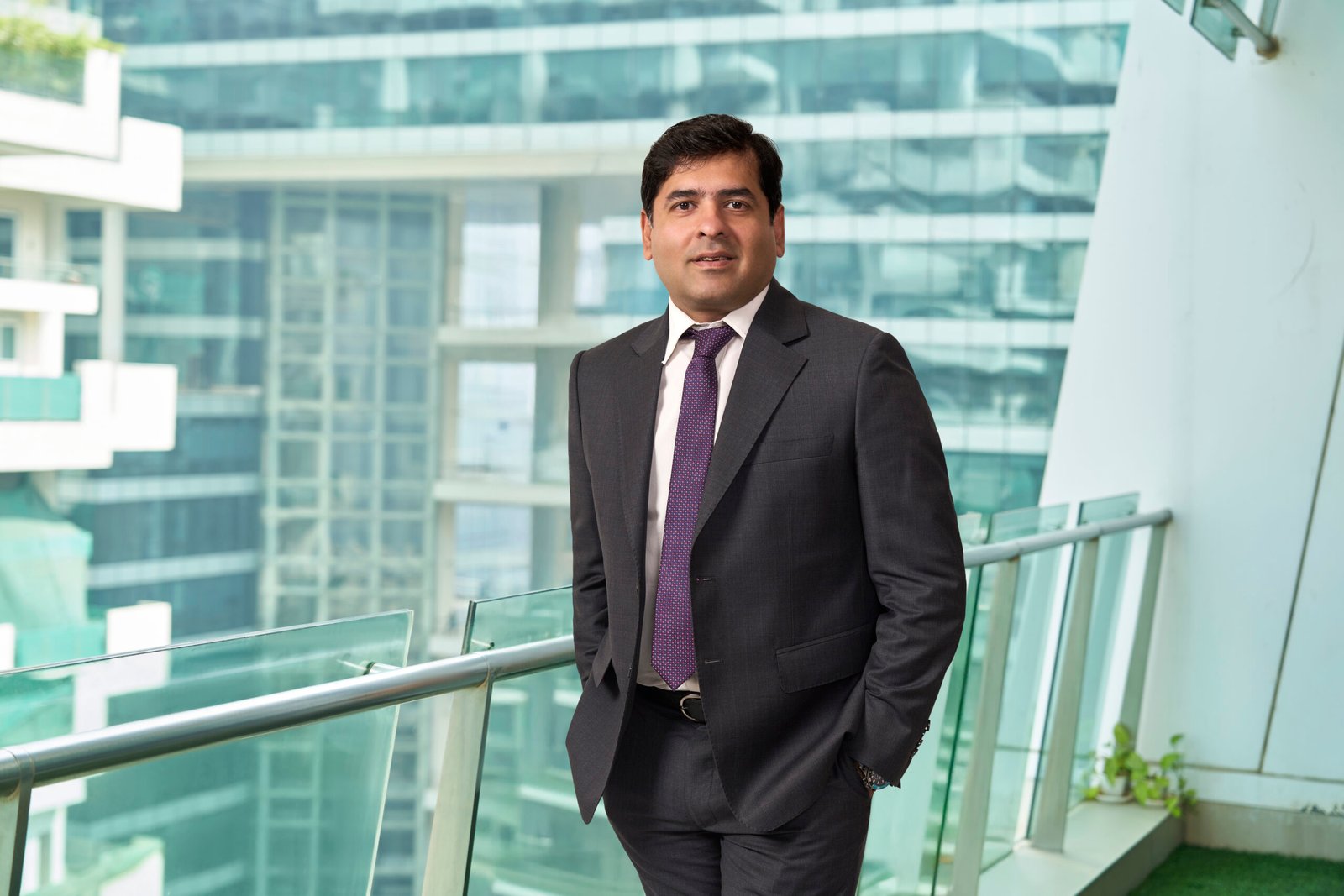
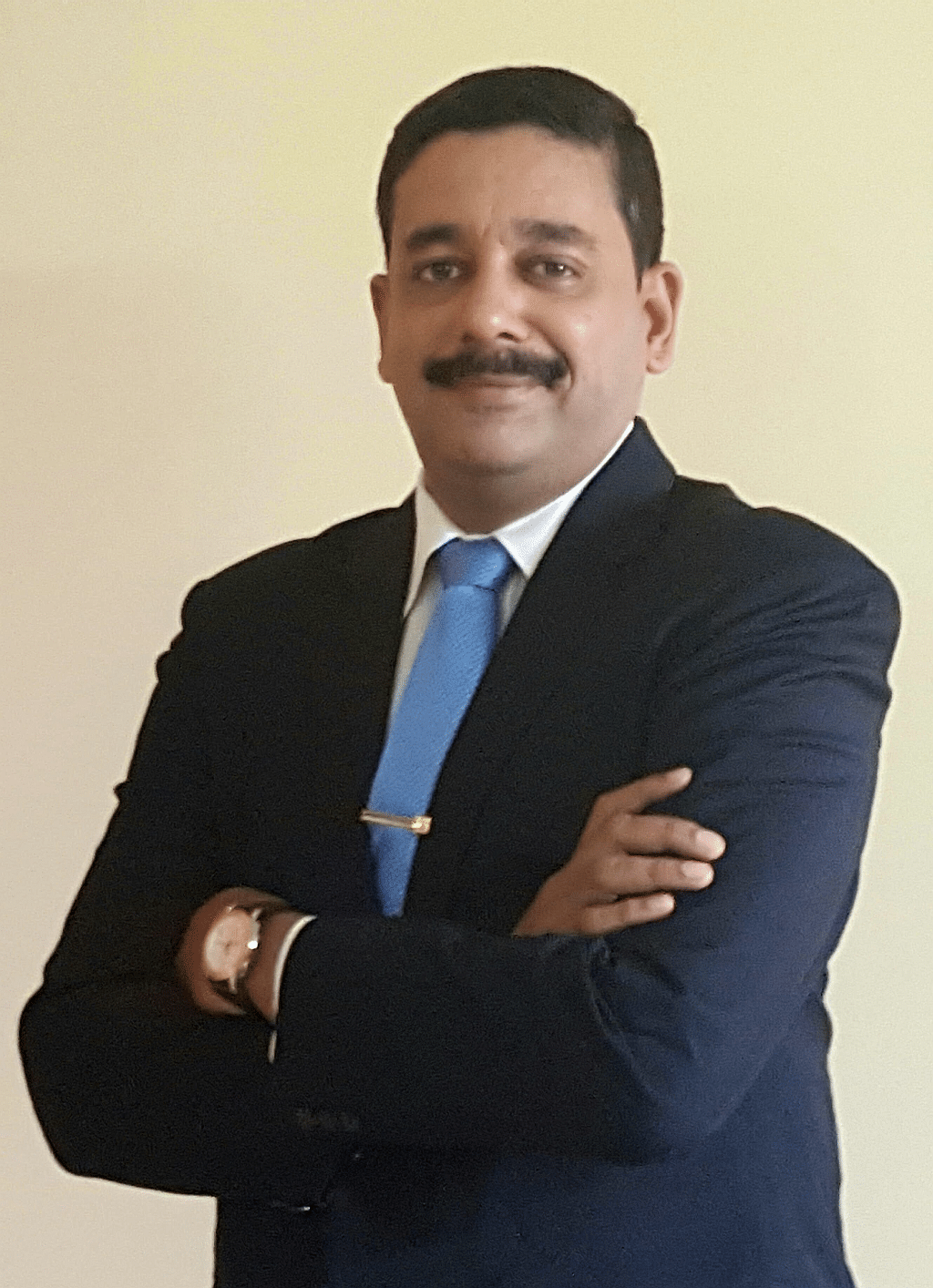
Urvish Rambhia, CEO and Whole-time Director, Horizon Industrial Parks
Manufacturers are increasingly allocating capital to EV assembly, advanced tooling and R&D rather than tying it up in real estate. A testimony to this shift driven by Horizon Industrial Parks is the Chakan facility. Lumax Industries leased a customised 2,86,000 sq. ft. facility after seven decades of operating from owned factories. Such projects require developers to plan for long-term occupancy and future expansion.
Engineering Around Production
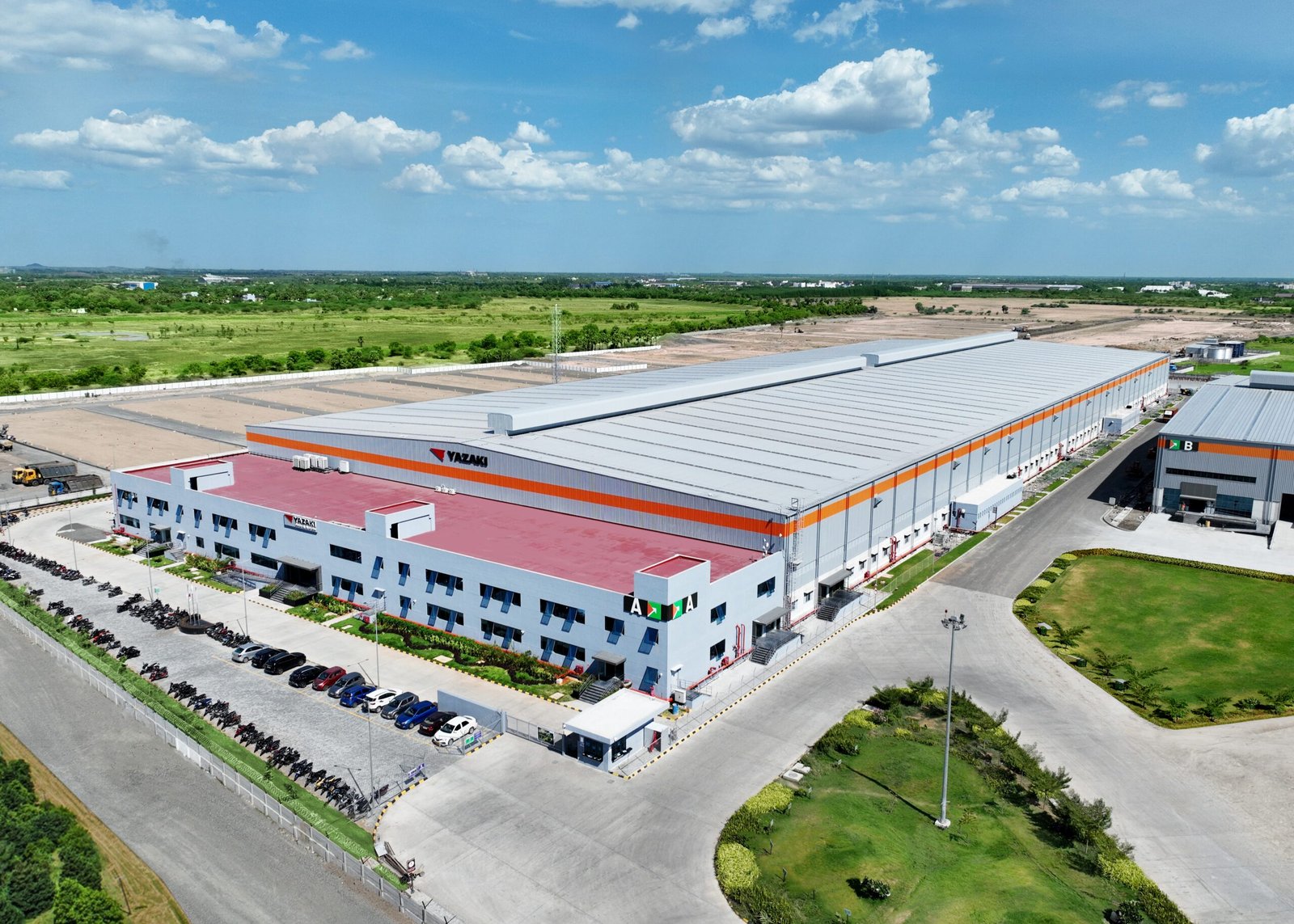
Factory design must account for machinery loads, automation, electrical infrastructure and shopfloor layouts. At Horizon Industrial Park, Chengalpattu, Yazaki India’s 3,48,800 sq. ft. built-to-suit wiring harness plant incorporated process utilities, specialised shopfloor layouts and floor loading of up to six tonnes per sq. m. through early engineering coordination.
Delivery And Manufacturing Readines
Factory handovers must align with production schedules and equipment installation. At Hosur, Horizon enabled early access within four months for Anand Mando’s 41,000 sq. ft. EV component facility, allowing installation and preparation activities to proceed while other site work continued. Regulatory and environmental requirements, including effluent treatment and specialised fire suppression where applicable, also need to be considered during planning rather than added after construction. Horizon’s projects illustrate how industrial park development is moving beyond standard factory shells towards facilities shaped by manufacturing processes, infrastructure requirements and production timelines.