


As sustainability pressures reach manufacturing floors, even materials like casting wax are quietly reshaping automotive production ecosystems, writes Sahil Kesari.
At LogiMAT 2026, industrial material supplier Saffroshine Organics Pvt. Ltd. showcased its casting wax portfolio, highlighting the growing importance of pattern materials in precision manufacturing sectors, including automotive. While often overlooked compared to machinery or finished components, pattern materials play a decisive role in determining casting quality, process efficiency and environmental impact across foundries and component supply chains.
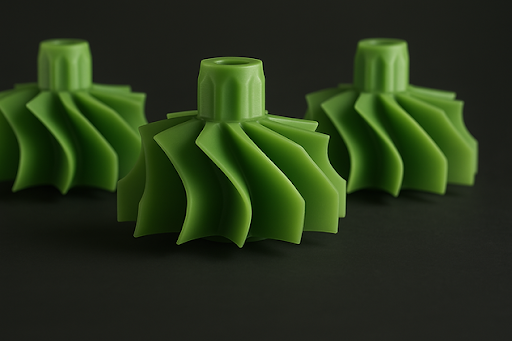
Investment casting remains a widely used manufacturing route for automotive parts requiring complex geometries, tight tolerances and superior surface finish. Turbocharger housings, transmission components, pump assemblies and structural elements frequently rely on this process. At its core lies the pattern material, traditionally wax, although alternatives such as expanded foam and certain plastics have been adopted in specific casting methods over time.
However, sustainability pressures and process efficiency requirements are now reshaping material choices at the pattern stage itself.
Wax Versus Foam and Plastic: The Environmental Shift
Conventional pattern alternatives such as foam or thermoplastic materials present challenges during casting operations. Foam patterns, particularly in lost-foam casting processes, generate higher volumes of gaseous emissions when exposed to molten metal. These emissions can include hydrocarbons, carbon monoxide and particulate matter, increasing the need for ventilation and filtration systems within foundries. Plastic-based patterns can also produce smoke and residues during burnout stages, potentially affecting workplace conditions and mould integrity if not carefully controlled.
Casting wax behaves differently. Because it melts and drains out before high-temperature metal pouring stages, emission intensity is comparatively lower than foam decomposition processes. Wax can also be recovered, filtered and reused multiple times, improving material utilisation and reducing waste generation. For foundries operating under tightening environmental norms, these characteristics offer both regulatory and operational advantages.
Quality Advantages
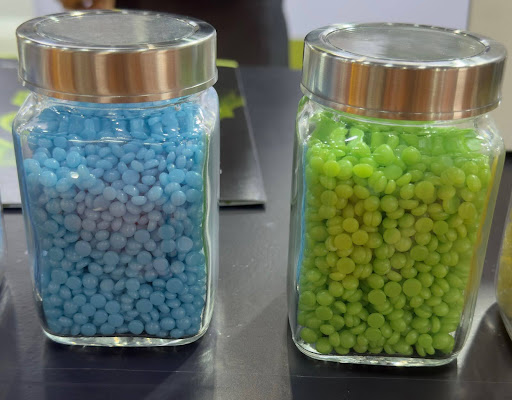
Beyond emissions considerations, wax provides strong dimensional stability compared with foam patterns, particularly for precision automotive components. Controlled injection behaviour enables consistent reproduction of complex shapes, reducing distortion risk and improving repeatability across production cycles. The smoother surface finish achievable with wax patterns also reduces secondary machining requirements, contributing indirectly to energy savings and production efficiency. In automotive manufacturing, where tolerances continue to tighten and rejection costs are high, such upstream process reliability translates into measurable productivity gains.
Sustainability Extends to Manufacturing Practices
The sustainability discussion increasingly extends beyond the pattern material itself to the manufacturing processes used by suppliers. Industrial material producers are adopting renewable energy integration, waste-reduction systems and process optimisation to reduce carbon intensity at the source.
Suppliers such as Saffroshine emphasise environmentally conscious production approaches, including renewable energy usage within manufacturing operations. While these suppliers typically serve foundries and Tier suppliers rather than OEMs directly, their environmental footprint influences the lifecycle impact of automotive components produced downstream.
Growing Importance in the Automotive Supply Chain
India’s investment casting sector supports both domestic vehicle manufacturing and export-oriented component programmes. As component designs evolve toward lightweight structures and integrated geometries, pattern precision becomes more critical, reinforcing the role of reliable wax materials. Domestic availability of casting consumables improves supply responsiveness and enables closer technical collaboration between material suppliers and foundries. Such collaboration can reduce rejection rates, improve cycle times and support localisation objectives across manufacturing ecosystems.
 A Quiet but Strategic Material Layer
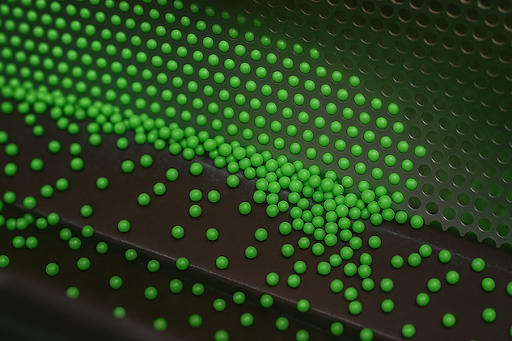
Much of the automotive industry’s transformation narrative focuses on electrification, software and vehicle technologies. Yet manufacturing competitiveness often depends on materials used far earlier in the production chain. Casting wax represents one such layer, largely invisible outside engineering environments but essential for achieving precision, efficiency and increasingly, environmental compliance. As sustainability expectations extend deeper into supply chains, materials that combine process performance with lower emissions potential are likely to gain greater importance across automotive manufacturing ecosystems.






Leave a Reply