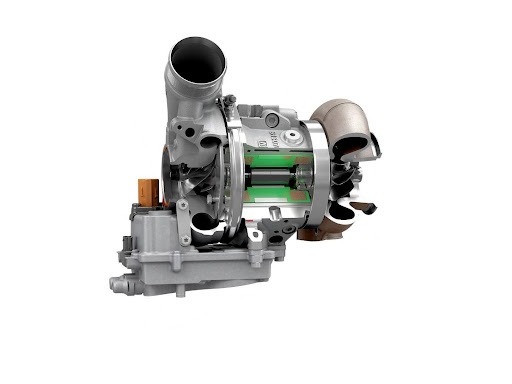


BorgWarner has secured multiple electric motor business awards across China and South Korea, further expanding its presence in battery electric and hybrid vehicle programs in key Asian markets.
The new programs include stator assembly supply, P2 electric motor applications, and generator motor technologies for hybrid drivetrains. Production for the awarded programs is scheduled to begin in phases between June 2026 and September 2027.
Commenting on the development, Dr. Stefan Demmerle, Vice President, BorgWarner Inc. and President & General Manager, PowerDrive Systems, said the awards reflect customer confidence in the company’s engineering capabilities, localized manufacturing footprint, and scalable motor technologies for electrified vehicle applications.
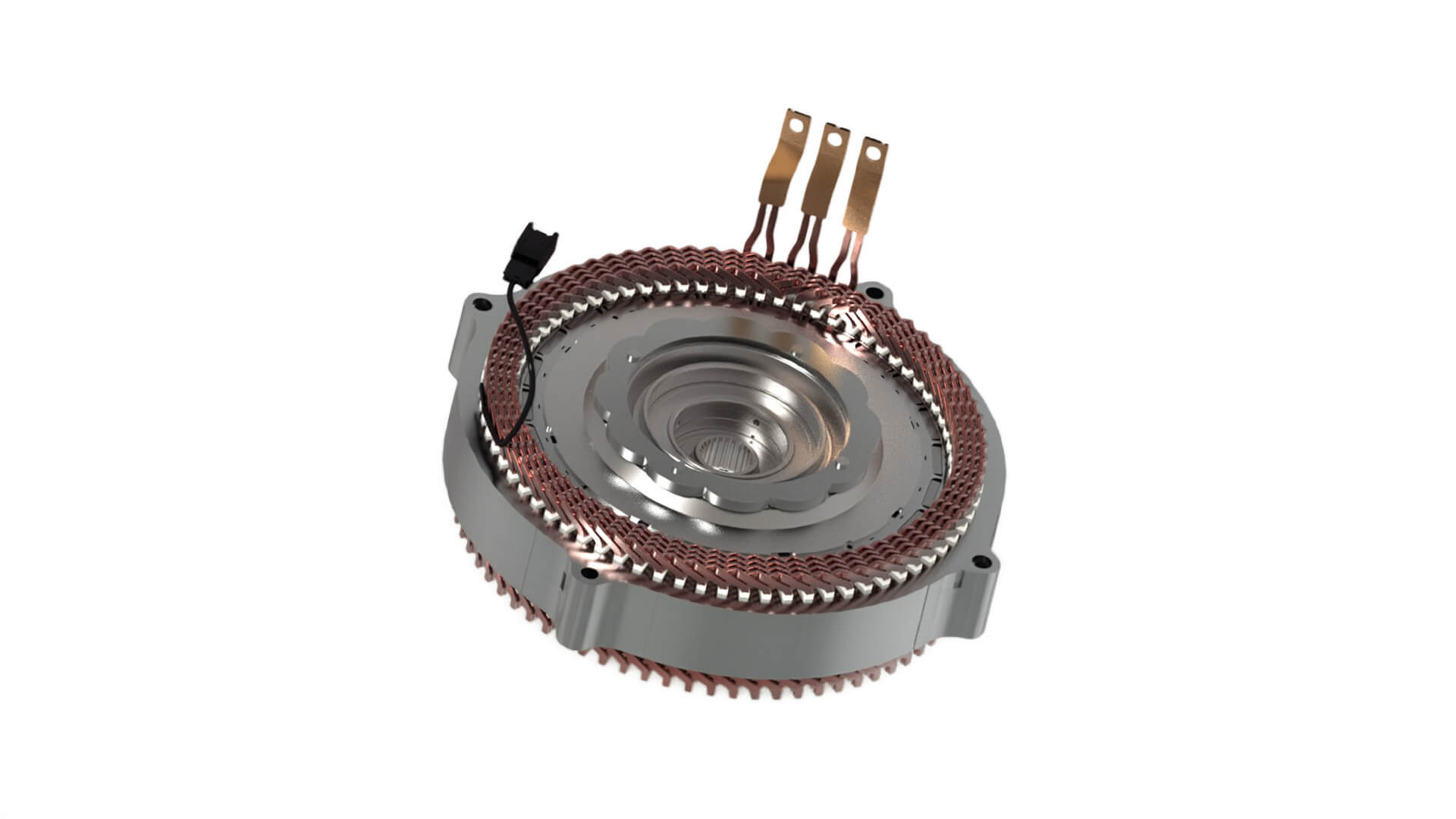
In South Korea, BorgWarner has secured new business to supply stator assemblies for an electric B-segment SUV platform. The award builds on the company’s earlier work supplying hairpin eMotor technology for the customer’s multi-purpose vehicle platform. Production for the new program is expected to begin in September 2027.
In China, BorgWarner will supply its patented S-winding technology in a P2 electric motor application for global plug-in hybrid vehicle platforms. The motor is designed for hybrid drivetrains paired with 1.5-litre and 2.0-litre turbocharged engines, with focus on compact packaging and higher power density. Production is expected to commence in February 2027.
The company has also secured business in China for a generator motor integrated into a three-speed hybrid transmission system. The motor features BorgWarner’s ultra-short hairpin winding technology, aimed at improving efficiency and packaging optimisation for hybrid applications. This program is expected to enter production in June 2026 and will support both domestic and export-oriented vehicle platforms.
From an industry perspective, the awards reflect the growing demand for advanced motor technologies as OEMs continue to expand hybrid and electric vehicle portfolios across global markets. Technologies focused on higher efficiency, compact integration, and improved power density are becoming increasingly critical as manufacturers look to optimise vehicle performance and packaging.
The development also underlines the broader shift within the automotive components industry towards electrification-focused technologies, particularly in areas such as eMotors, power electronics, and hybrid drivetrain systems.