


India’s PPE Market to Touch USD 4.7 Billion by 2033, Says Goa CM Dr. Pramod Sawant, Urging a Stronger Safety Culture
- The 13th OSH India Expo witnessed 170+ exhibitors, 300+ brands, 1,500+ products from 13 countries, drawing 9,000+ visitors, 150+ delegates, and 50+ speakers.
- Focused on the theme “Elevating HSE for a Globally Competitive Workforce”
- Key highlights included the Startup Pavilion, Innovation Zone, OSH Fashion Walk, OSH Everywhere campaign, OSH Gurukul Conference, and the 11th OSH India Awards celebrating excellence in workplace safety.
- India’s PPE market, valued at USD 2.7 billion in 2024, is projected to grow at a 5.86% CAGR to USD 4.7 billion by 2033.
Mumbai, September 18, 2025: At the Bombay Exhibition Centre in Mumbai, Informa Markets in India successfully began the 13th edition of OSH India Expo, the biggest occupational safety and health event in South Asia. Over 170 exhibitors from 300+ top companies and 1,500+ goods from 13 nations came together for the event, which took place from September 16–18, 2025. It drew over 9,000 visitors, 150+ delegates, and more than 50 speakers. With the personal protective equipment (PPE) market in India expected to reach USD 4.7 billion by 2033 at a compound annual growth rate (CAGR) of 5.86% from its 2024 valuation of USD 2.7 billion, the expo provides an ideal venue for showcasing innovative products, integrated solutions, and cutting-edge technologies that will shape workplace safety in the future.
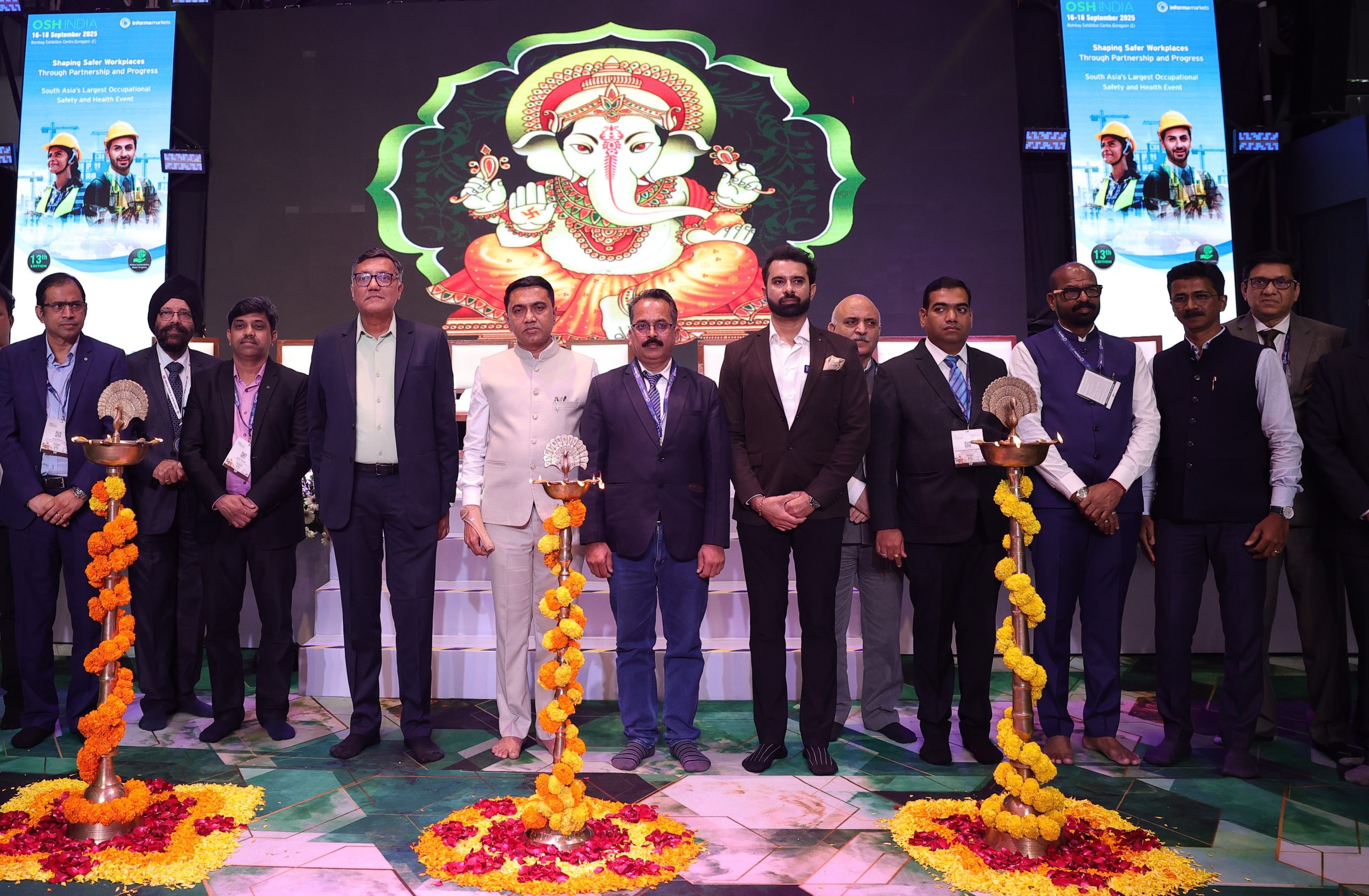
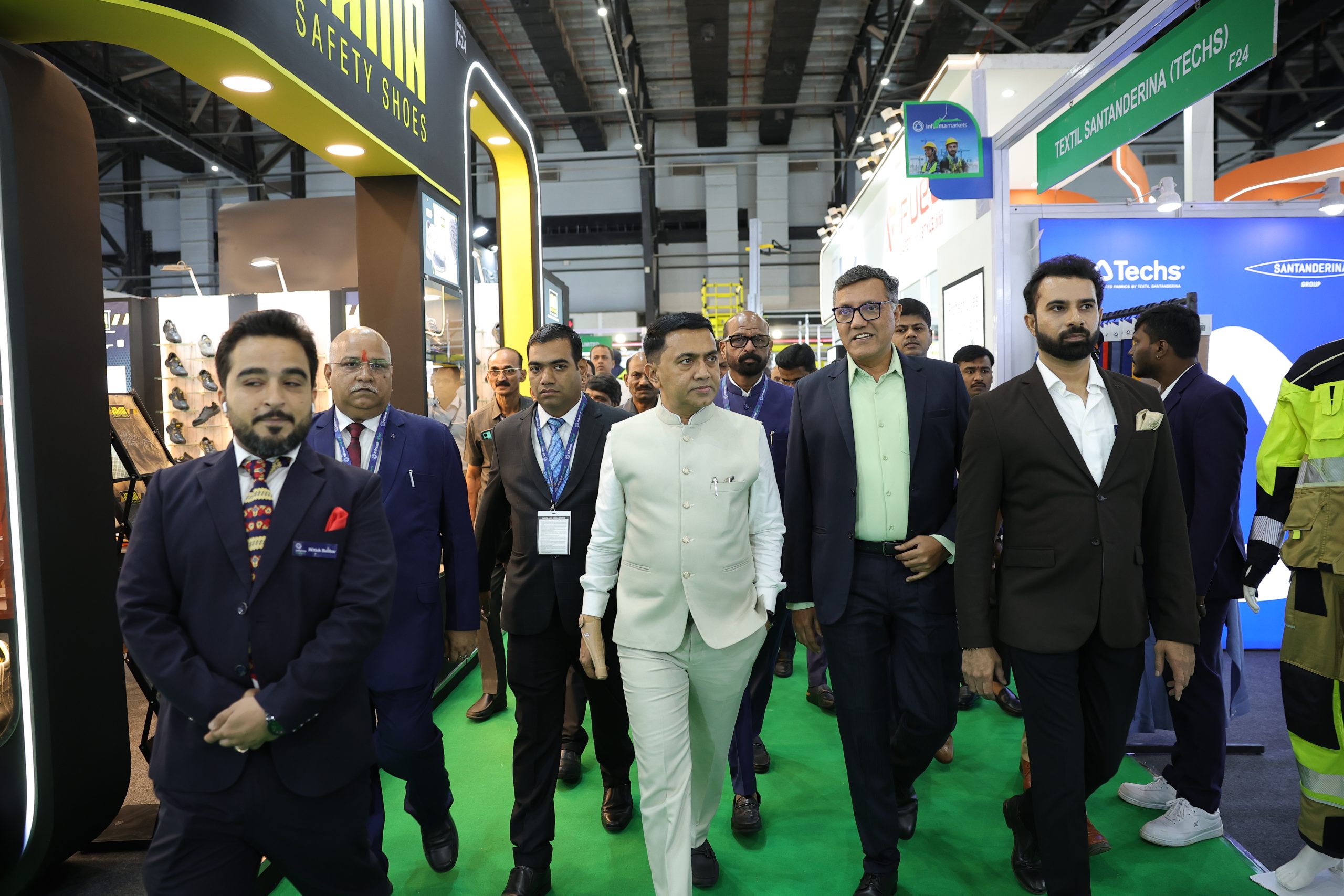 Prominent dignitaries attended the Expo’s opening, including Dr. Pramod Sawant, Hon. Chief Minister of the Government of Goa and Executive Member of the National Integrated Medical Association (NIMA) India; Shri Anant Pangam, Chief Inspector of the Inspectorate of Factories & Boilers, Government of Goa; Shri Ram Dahiphale, Additional Director, Directorate of Industrial Safety & Health (DISH), Government of Maharashtra; Shri Chandrakant (Anna) Nakhate, Member of the BJP Cell, Maharashtra; Dr. Shyam Sunder Devidas Sonawane, President-Industrial Medical Cell, BJP; Capt. Nitin Mukesh, Deputy Nautical Advisor-cum-Sr. DDG (Technical), Directorate-General of Shipping, Government of India, Shri Mahesh Kudav, President, Safety Appliances Manufacturers Association; Shri Sanjeev Raina, Executive Director – Corp HSSE, Bharat Petroleum Corporation Ltd., alongside Mr. Yogesh Mudras, Managing Director, Informa Markets in India and Mr. Prashant Jain, Sr. Project Director, Safety & Security Portfolio, Informa Markets in India.
Dr. Pramod Sawant, Hon’ble Chief Minister of Goa and Executive Member of the National Integrated Medical Association (NIMA), India, spoke about occupational safety and health, stating that they are not only legal obligations but also moral responsibilities that have a direct impact on productivity and national growth. The Indian PPE market, which was valued at USD 2.7 billion in 2024, is expected to reach USD 4.7 billion by 2033, growing at a rate of roughly 6% per year as awareness grows and regulatory frameworks improve.
Under the leadership of Hon’ble Prime Minister Shri Narendra Modi, India has implemented major reforms such as the OSH Code 2020, Shram Suvidha Portal, and Pradhan Mantri Suraksha Bima Yojana, all of which are promoting compliance and increasing worker welfare. In Goa, we support this vision through activities such as factory health camps, worker safety training, and digital changes. A culture of safety is vital for long-term growth. Let us strive together to create a safer, stronger India that reflects the vision of Viksit Bharat 2047.”
Shri Ram Dahiphale, Joint Director, DISH, Mumbai, Government of Maharashtra, stated, “The Directorate of Industrial Safety & Health enforces the Factories Act of 1948 to safeguard the safety, health, and welfare of workers throughout Maharashtra. In production environments where humans, machines, and materials interact, hazards are unavoidable. Our role is to reduce these hazards and build safer, more compliant workplaces. In today’s world, ensuring safety is just as critical as promoting company growth. We are committed to promoting safe working conditions through a combination of regulations and industry partnerships. Platforms such as OSH India are critical in raising awareness, exchanging knowledge, and inspiring action. The involvement of NGOs such as READ India adds to the value by emphasizing the broader societal benefit of safety and empowerment. Safer factories contribute to safer states, and so a safer India. It begins with each of us taking safety seriously and applying what we’ve learned.”
Shri Mahesh Kudav, President of the Safety Appliances Manufacturers Association, stated, “The Safety Appliances Manufacturers Association (SAMA), founded nearly five decades ago, has played an important role in developing India’s safety ecosystem.” The PPE industry is expected to treble to roughly ₹20,000 crore (USD 5 billion) in the next 8 years, primarily driven by MSMEs. Focusing on innovation, Make in India, and global standards is key. As legislation and risk awareness improve, SAMA will continue to promote collaboration and technology use to improve workplace safety across industries.”
Mr. Sanjeev Raina, Executive Director – Corp HSSE, Bharat Petroleum Corporation Ltd, stated, “Viksit Bharat is built on six basic pillars: health, education, environment, agriculture, technology, and infrastructure. All of these must be combined with safety. Safety cannot be transactional or restricted to figures on paper; it must be transformational, with a meaningful impact on the ground level. True safety is founded on sincerity, quick action, fact-finding, education, environmental responsibility, and the effective use of technology, with the human being always at the center. As we approach 2047 with the goal of becoming one of the world’s most developed nations, safety consciousness will mold character, drive resilience, and ensure that growth is pro-India, pro-people, and pro-planet.”
Capt. Nitin Mukesh, Deputy Nautical Advisor-cum-Sr. DDG (Technical), Directorate-General of Shipping, Government of India, stated, “The 13th edition of OSH India Expo brings together government, industry leaders, and practitioners who share a common commitment to advancing workplace safety through collaboration and progress. Occupational safety is more than just policy and compliance; it is about protecting individuals, preserving dignity, defending families, and assuring every worker’s fundamental right to return home safely. In the maritime industry, this obligation is critical. Initiatives like the Maritime Single Window, ISPS port compliances, the Integrated Safety and wellbeing Program, NAVIC, and the upcoming India Maritime Compliance Code Manual are setting new standards for seafarers’ safety and well-being.
Dr. Shyam Sunder Devidas Sonawane, President-Industrial Medical Cell, BJP, stated, “Industrial growth has been the backbone of national prosperity, but it comes with a great responsibility. Safety and health are more than just compliance obligations; they are fundamental values that protect people, maintain productivity, and promote sustainability. Workplace accidents, unsafe practices, and disregarded health standards have an impact not only on individuals and their families, but also on companies and society as a whole. Building a solid safety culture is therefore critical, because safe businesses are productive industries, and healthy workers are a country’s fundamental strength.
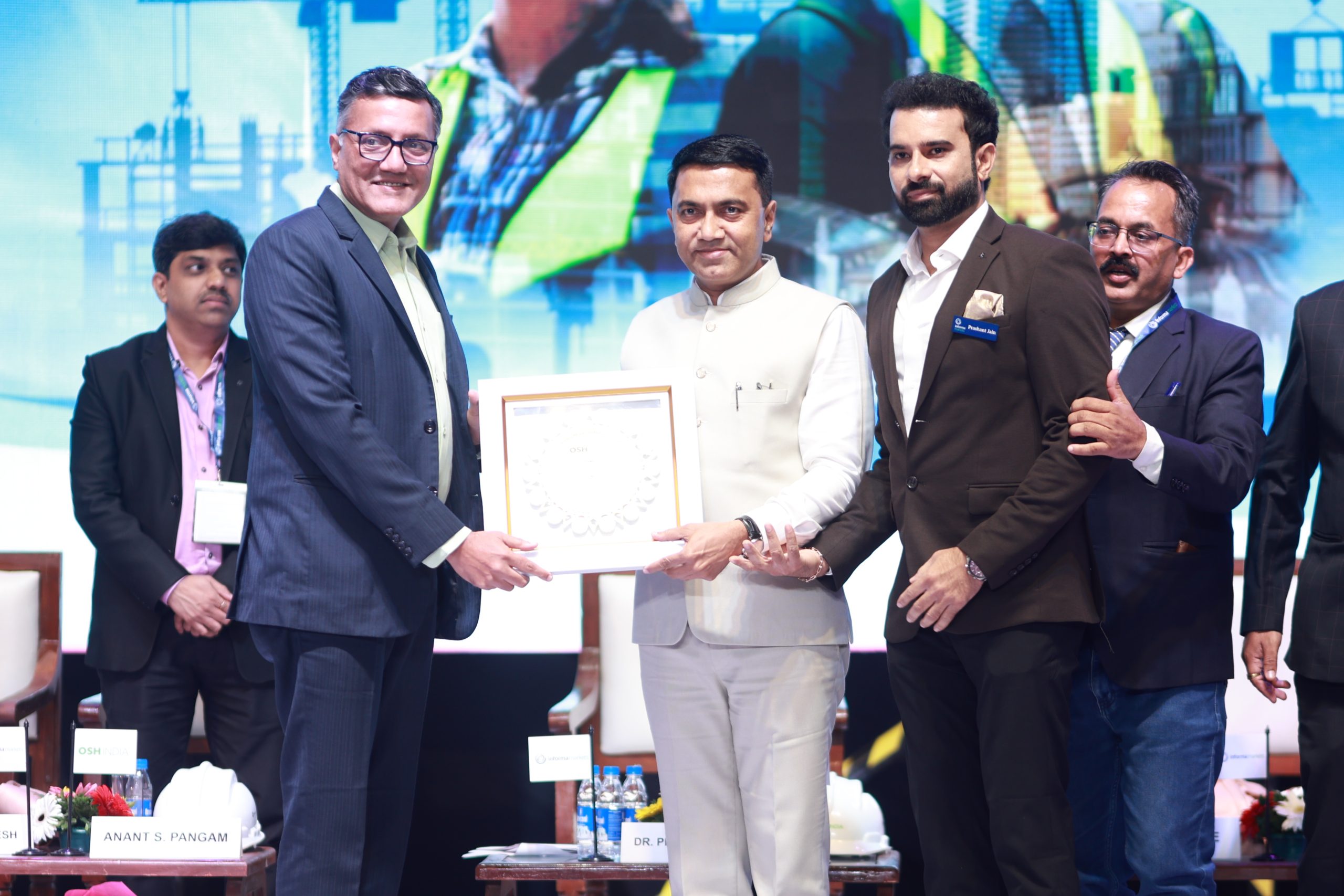
Shri Anant Pangam, Chief Inspector, Inspectorate of Factories and Boilers, Government of Goa, praised the OSH India initiative, saying, “Informa Markets and its partners have created a platform that goes beyond compliance by fostering dialogue, driving innovation, and forming partnerships to create safer and healthier workplaces.” We are committed to establishing a proactive safety culture in Goa, led by Hon’ble Chief Minister Dr. Pramod Sawant, that promotes worker well-being. Occupational safety is both a legal and moral responsibility. I urge all parties to make safety a core component of industry processes.”
Mr. Yogesh Mudras, Managing Director of Informa Markets in India, stated, “India’s safety landscape is undergoing a substantial shift, driven by legislative reforms, digital integration, and increased awareness of workplace well-being. However, closing the safety gap in India’s informal sector, which still employs more than 80% of the workforce, and improving compliance remain crucial. With the occupational safety market in India expected to grow at a CAGR of more than 11.1% by 2030, technologies such as IIoT, AI, and predictive analytics are allowing businesses to monitor operations and transition to zero-incident settings proactively. Through OSH India, we hope to bring together policymakers, industry leaders, and innovators to expedite this transformation, establish global norms, and guarantee that labor safety remains at the heart of India’s sustainable growth.
Shri Chandrakant (Anna) Nakhate, Member of the BJP Cell in Maharashtra, stated, “Safety is the foundation of a safe society, and efforts like OSH India serve as a protective shield for people. The wise advice of leaders such as Goa Chief Minister Pramod Sawant and Maharashtra Chief Minister Devendra Fadnavis has helped to strengthen this cause. Such events are critical in raising awareness and fostering a culture of safety for everyone.”
India’s Occupational and Safety Health Landscape
India’s journey toward improving Occupational Safety and Health (OSH) is gaining significant traction, reflecting a more mature approach to safeguarding worker welfare across sectors. The Occupational Safety, Health and Working Conditions Code, 2020, which consolidates 13 labour laws under a unified framework, marked a watershed moment in this transformation, and recent state-level activity has added fresh momentum. In May 2025 alone, 68 labour-related regulatory updates were issued, underscoring the government’s renewed thrust on workplace safety. Parallelly, the rapid rise of e-commerce and retail has amplified the demand for PPE, with warehouse and logistics operations requiring escalated safety measures. Industry projections estimate India’s e-commerce sector to reach USD 200 billion by 2026, further fueling the PPE market. Backed by technology-driven innovations and studies such as those by the Indian Council of Medical Research, which found face masks reduce transmission risk by 85% the market is set for sustained growth, signaling a stronger alignment between economic progress and worker well-being.






Leave a Reply