


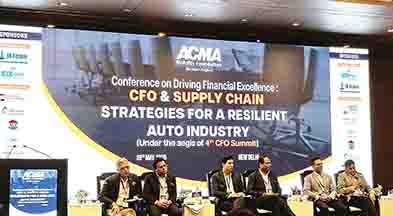
Under the aegis of the fourth CFO Summit, CFOs deliberate on building resilient supply chains, writes Richa Tyagi.
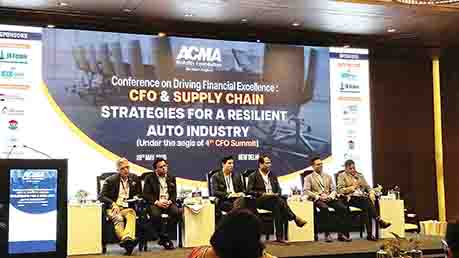
The 4th ACMA CFO Summit, focused on “Driving Financial Excellence: CFO & Supply Chain Strategies for a Resilient Auto Industry”, brought together key stakeholders to highlight the growing role of Chief Financial Officers (CFOs) in shaping the future of the automotive industry. The event provided a platform for insightful perspectives on how financial chiefs can drive transformation, not just within their organisations’ financial framework but across operations, technology, risk management, and supplier relationships.
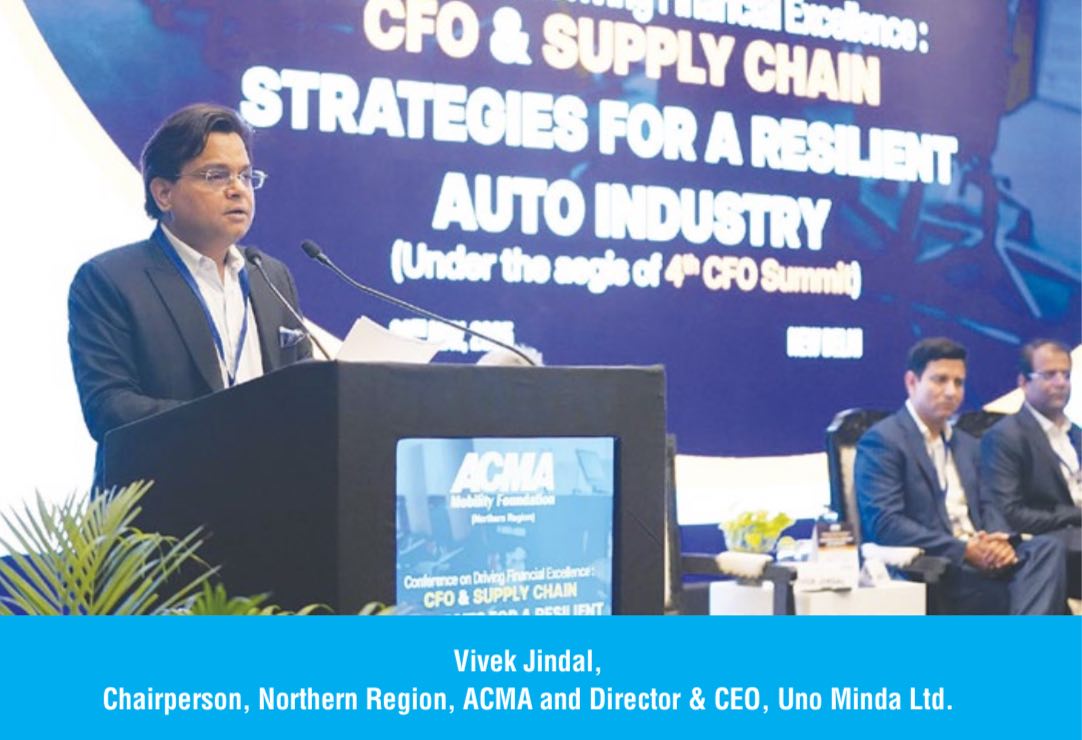
Vivek Jindal, Chairperson, Northern Region, ACMA and Director & CEO, Uno Minda Ltd., welcomed the stakeholders in attendance and drew attention to the ongoing geopolitical shifts and the urgent need to align policy incentives with ESG goals and robust supply chain strategies. He stressed the necessity of embracing digital transformation to remain competitive and future-proof.
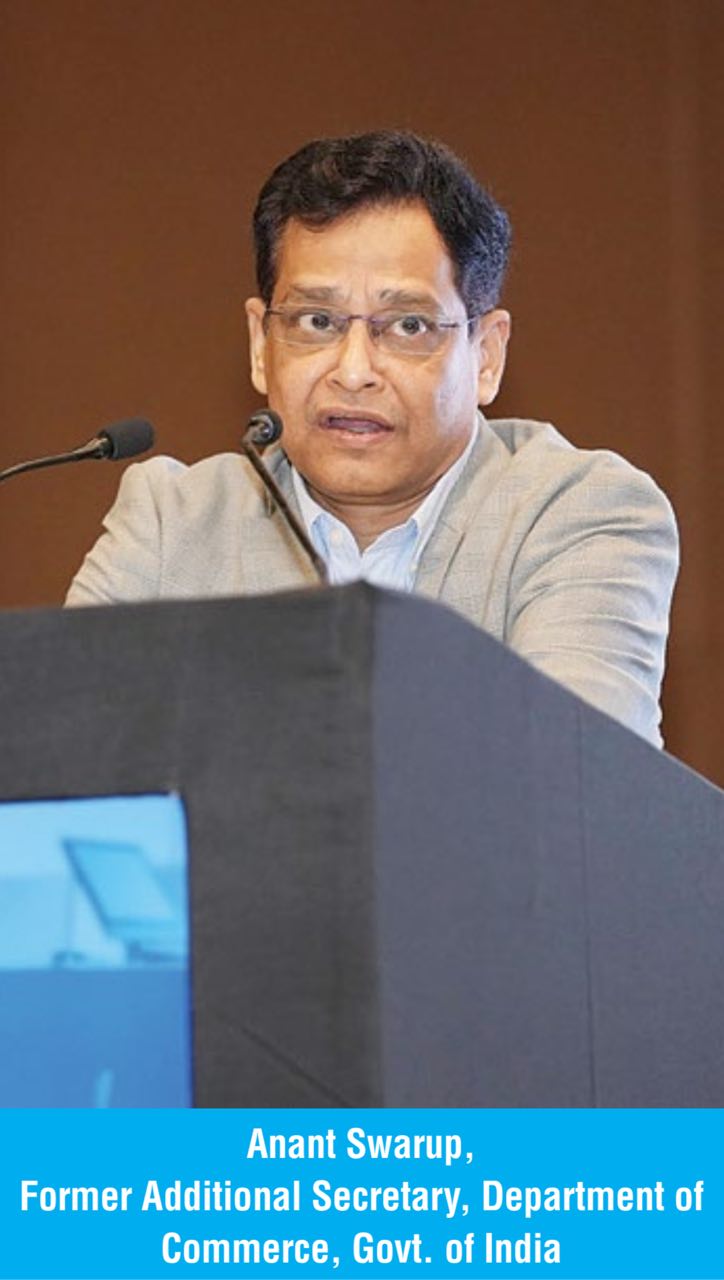
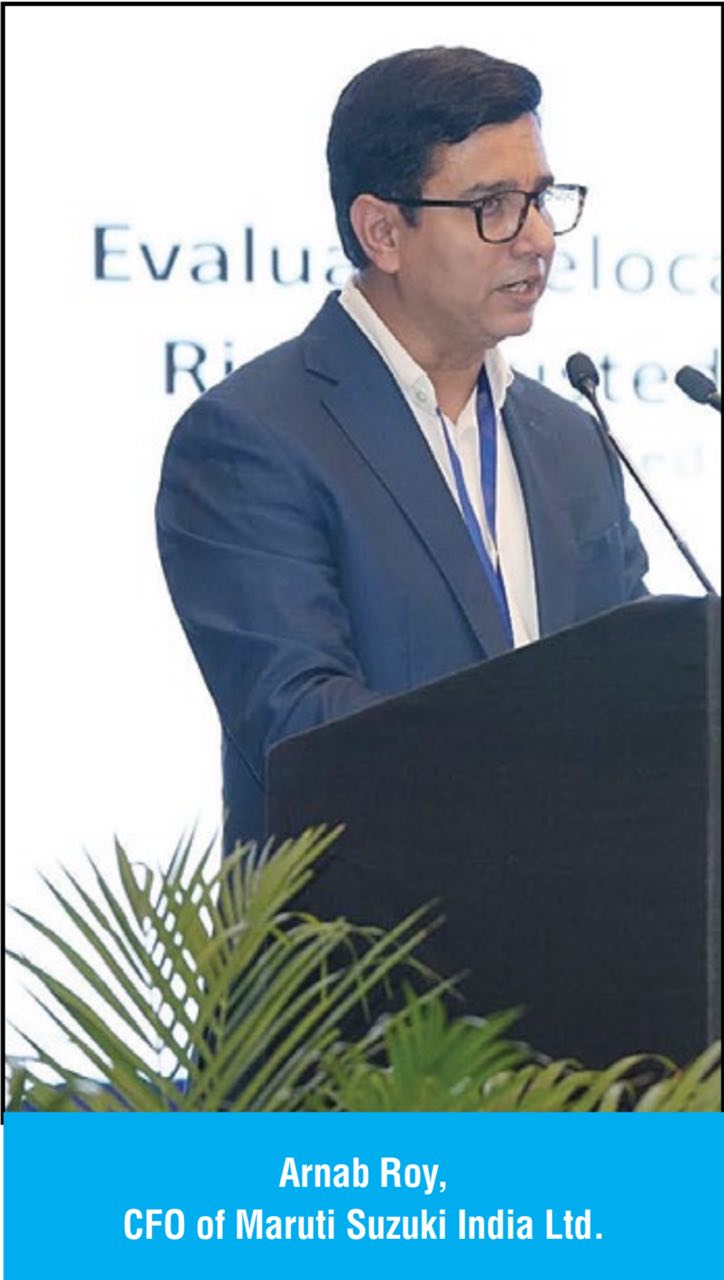
Following him, Anant Swarup, Former Additional Secretary, Department of Commerce, Govt. of India, underpinned the economic significance of the automotive industry, noting that the auto industry contributes seven per cent to India’s GDP and eight per cent to exports. Here, the role of CFO found a unanimous mention as a capable stakeholder focused on data-driven risk management, diversifying supplier bases, and investing in innovative technologies. This broader role makes CFOs essential leaders of resilience and growth in today’s dynamic market, it was agreed upon.The keynote by Arnab Roy, CFO of Maruti Suzuki India Ltd., further amplified this view. He explained how a modern CFO must balance risk and opportunity, leverage capital efficiently, and use technology to illuminate decision-making. “Digital transformation is not a choice, it is a necessity. It lets us monitor operations in real time, extract actionable insight from data, and manage risks smarter and faster.”
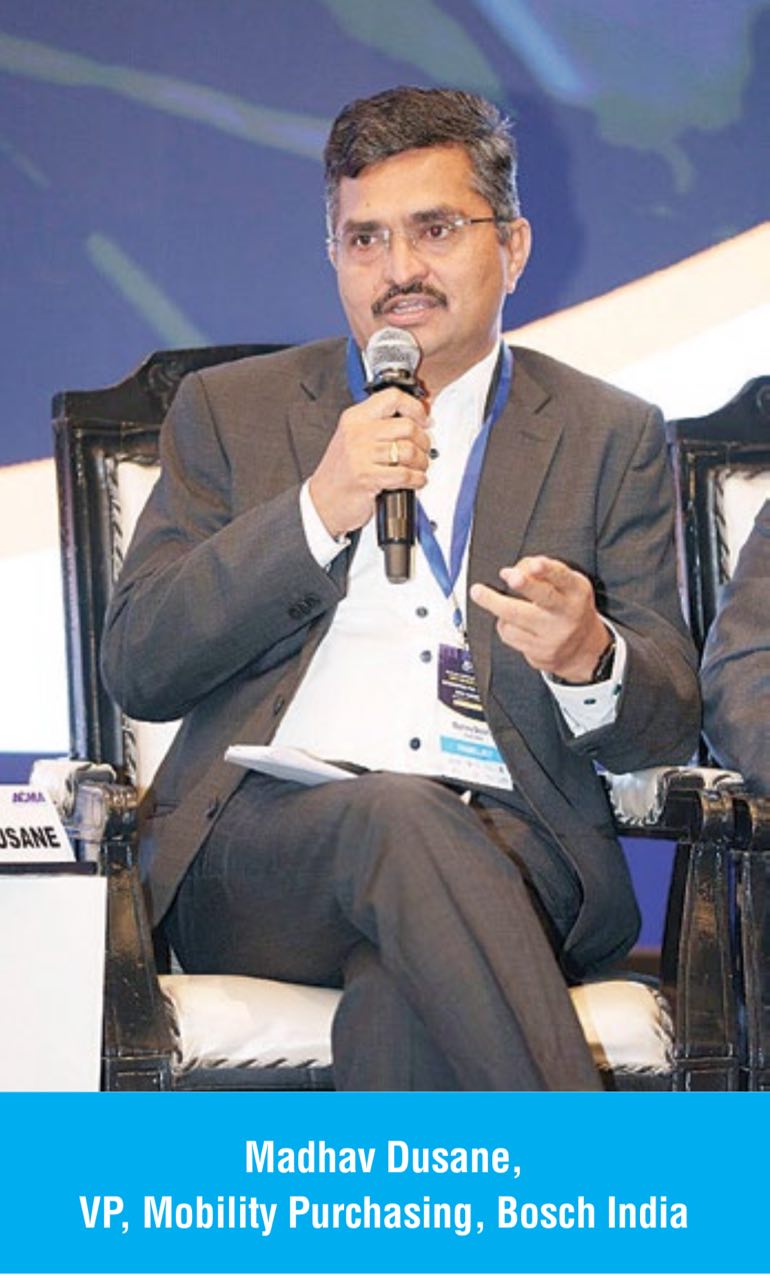
Turning toward operational perspectives, Madhav Dusane, VP, Mobility Purchasing, Bosch India, stated that everyone is striving for the kind of speed that is currently visible in China. He noted that hyper-competition is on the rise and highlighted that engineering excellence and quality are equally critical factors that must not be overlooked. “We know we are in a hyper-competitive era. What China is doing is something everybody, all OEMs and customers, wants: the kind of speed, cost, engineering, and lead times that Chinese suppliers can provide. But our scale is different. We are operating at a different scale, and that is the challenge; that is what many in the supply chain are missing today.
Every OEM, when developing a new product, simply wants a price, lead time, and cost structure akin to China’s. When hyper-competition increases and buyers come under pressure from sales, engineering and quality are sometimes deprioritised. But these components, the process, the way it is done, are very critical. Commercial teams, along with logistics and inventory, need to minimise cost, but this must be balanced against maintaining strong engineering and quality standards, he opined.
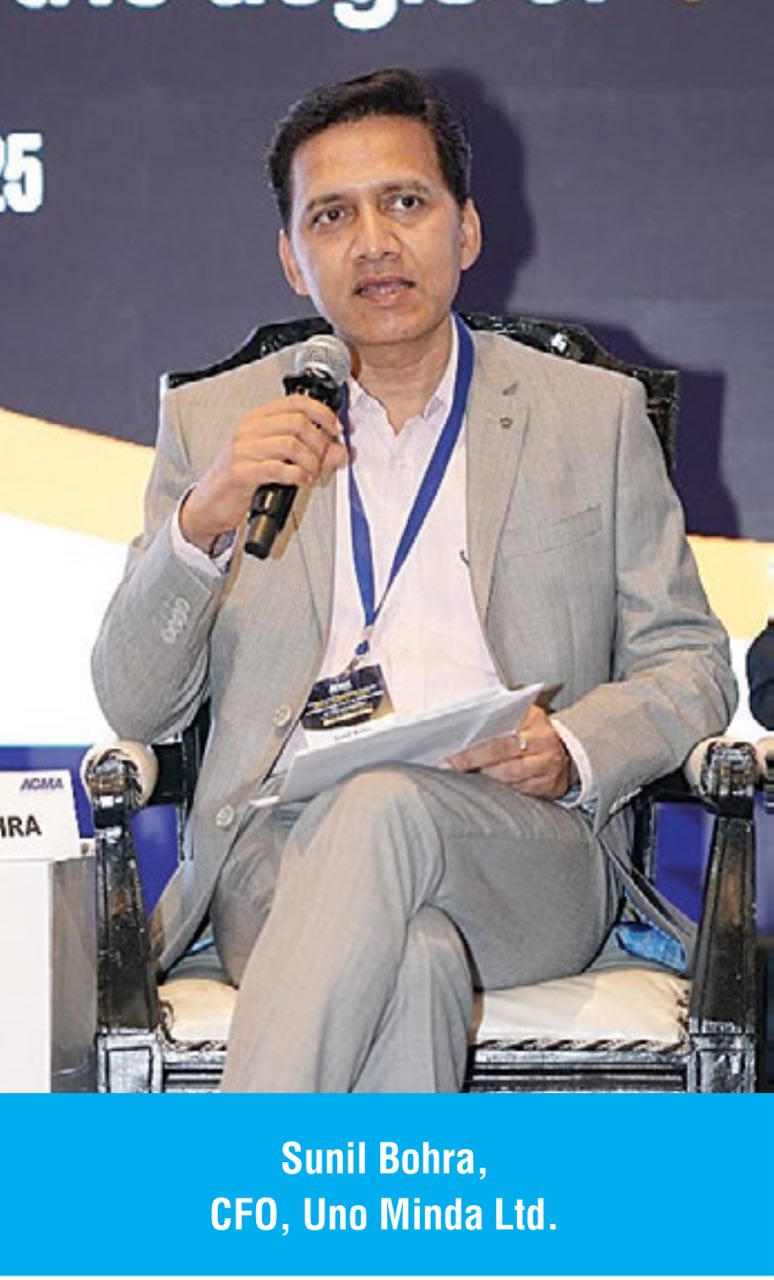
Pankaj Jain, Partner-Tax, EY India, emphasised a key observation: the automotive industry has been experiencing ongoing disruptions in its supply chains due to a range of factors, from geopolitical tensions to raw material scarcity and logistical bottlenecks. His view was supported by data suggesting that nearly 70 per cent of companies believe a resilient supply chain is crucial for their future stability. Furthermore, 65 per cent of CFOs think that cross-functional collaboration is a key ingredient in strengthening supply chain management. “It is not something that finance, procurement, or operations can do in isolation; it has to be a unified, enterprise-wide effort, especially in a sector as complex as automotive, he stated. Sunil Bohra, CFO, Uno Minda Ltd., highlighted the significant role of finance pertaining to materials, supply chain, IT, and finance itself. “Automotive is nothing but a supply chain. “The kind of parts we handle, tier-1, tier-2, all come together in a single plant, handling nearly 14,000 components. So you can imagine the importance of the supply chain,” he emphasised. In today’s world, and any organisation, the role of finance is to shape future strategies and decision-making. The CFO is a co-pilot to the CEO, he quipped.
He highlighted the evolving role of CFOs in driving Industry 4.0 investments, leading ESG initiatives, and future-proofing organisations through supply chain efficiency. Today’s CFO, he stressed, must combine financial expertise with technical and marketing insight to lead effectively in a changing landscape.
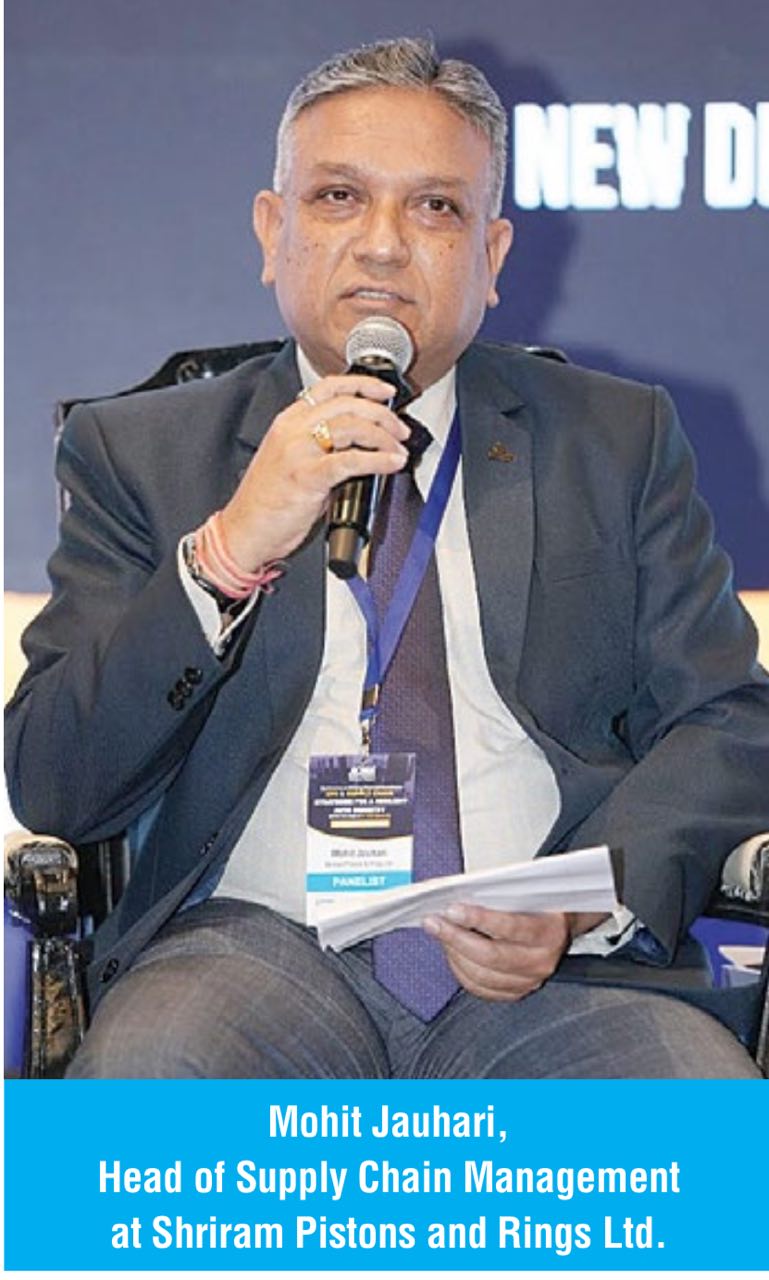
Mohit Jauhari, Head of Supply Chain Management at Shriram Pistons and Rings Ltd., stated, “Resilience is a reality. You need a resilient supply chain, and that comes from four key pillars: visibility, agility, collaboration, and technology enablement.” He explained his ‘Three Cs’ approach: connect, communicate, and collaborate, emphasising the need for an end-to-end supply chain that connects suppliers through to customers, and one that can communicate effectively at all levels. He also highlighted his ‘Three Ts’ approach, trust, transparency, and teamwork, as key to building a stronger, future-ready supply chain. He further noted how GenZ and millennial behaviours are reshaping expectations, making agility and responsiveness more essential than ever.
Pankaj Gupta, Group CFO, Sterling Tools Ltd., stressed the need for the CFO to be more hands-on and forward-looking. The co-pilot must be vigilant; his role is crucial because he has access to the numbers and a deep understanding of the strategy. He is more hands-on with what is happening at a strategic and top level. If something goes wrong in the supply chain, the board meeting will ask the CFO, because he is the person responsible; he really cannot say it is because of the supply chain, he needs to take responsibility and ownership, he explained.
De-Risking Supply Chain from Geopolitics
Saurabh Agarwal, Partner and National Auto Tax Leader at EY India, reflecting on the dramatic range of geopolitical events we have lived through, from the wars in India and Pakistan, Russia and Ukraine, to the Israel-Hamas conflict, all of which underscore the growing importance of having alternative supply chain strategies. “The automotive industry has historically been a large contributor to manufacturing GDP. It is very important for us to protect this industry, especially when we face upheavals in the geopolitical landscape. For example, when Trump announced tariffs upon taking office, it was a clear indicator that we need to be prepared in advance for such policy decisions.” He stressed the necessity for the industry to fundamentally rethink its strategies, particularly by developing a strong tier-3 supplier base within India. Doing so is crucial for strengthening our capabilities and reducing dependency on external sources.
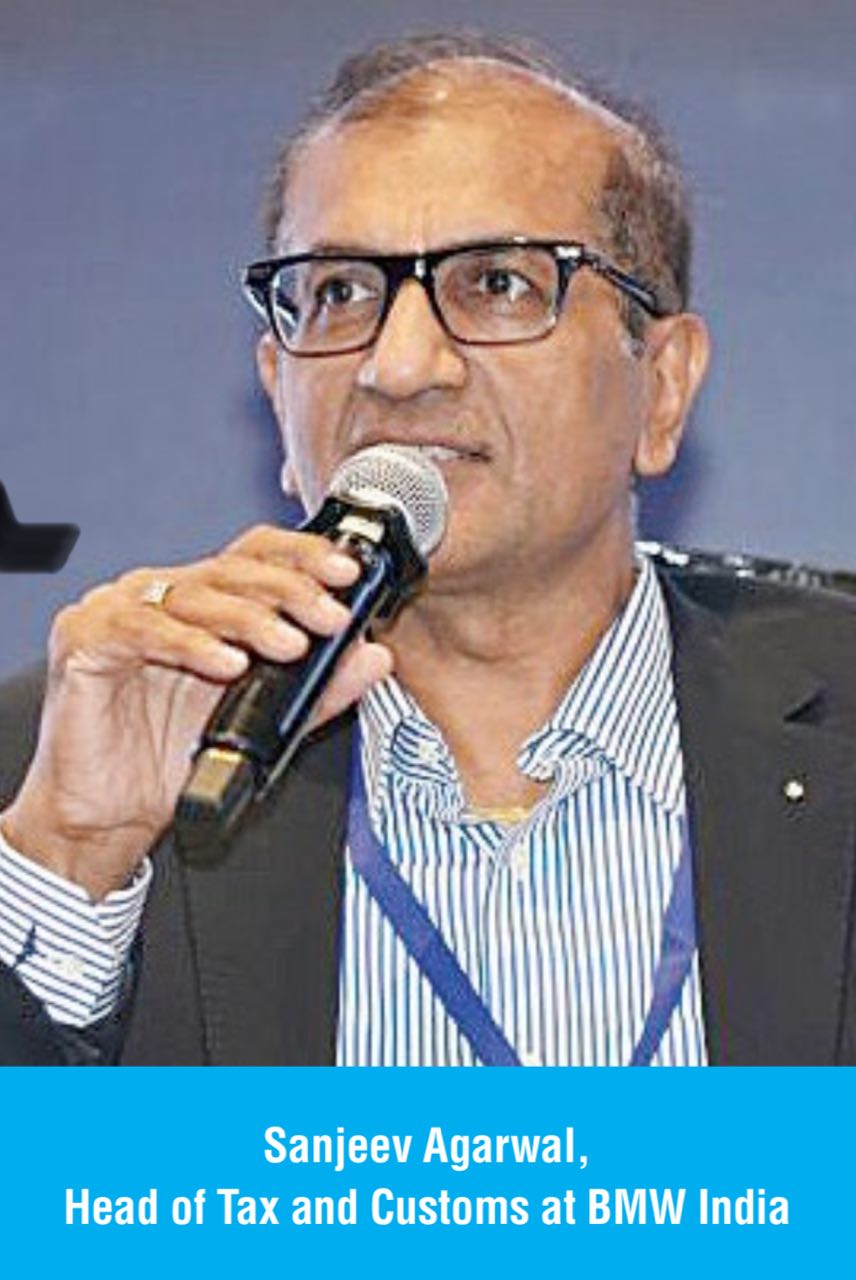
Sanjeev Agarwal, Head of Tax and Customs at BMW India, explained, “Over the last four to five years, India has gone through several upheavals, recently, the US tariffs, for example. All these events have had a serious impact on our supply chain. We all know we are facing a shortage of components, and we are waiting for our cars to be produced, while OEMs are struggling to keep up. There are raw material issues, a shortage in finished goods, and a rise in transportation costs, all of which pose significant challenges. This has led companies to come up with strategies of their own. One key strategy is regionalisation. Regionalisation has a huge impact. I think it is best to decentralise some operations and move closer to the final delivery point to avoid losing time. Another important consideration is the dependency on digital transformation. That is where a lot of investment is now going, the industry is investing in digitising operations and the way we do business, he said.
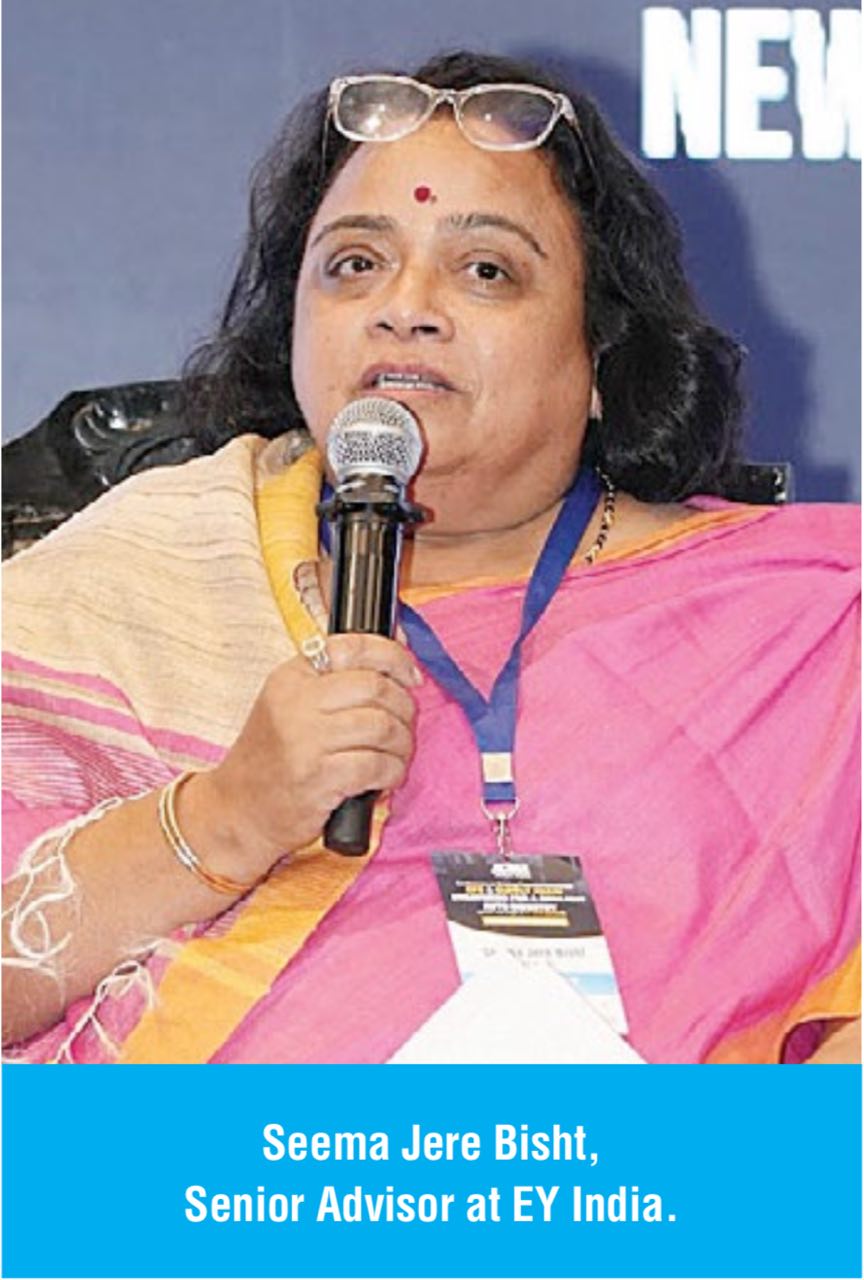
Seema Jere Bisht, Senior Advisor at EY India, stressed that risk management must become an integral part of all automotive operations. She recognised India’s strength as a global supplier, driven by a large consumer market, competitive labour costs, and strong government support. With technological capabilities on par with the rest of the world, she called for increased R&D, automation, and a regulatory framework that actively supports industry growth. “Essentially, the fundamental aspect we need to introduce in the automobile components industry, and the automotive industry as a whole, is a culture of risk management. Looking at the industry holistically, we must be prepared for the unexpected. One thing the COVID-19 pandemic and the imposition of tariffs have taught us is exactly this: we need to expect the unexpected, she urged.
“Diversifying our supply chain is extremely critical for us. Given India’s current capabilities, we need strong support from the government today. The focus should be on strengthening our domestic components industry. If we can successfully nurture our suppliers, we will be somewhat insulated from future global risks.” She further added, “We should also explore some grey field areas, for example, Cambodia and Vietnam, where there may be potential suppliers. Additionally, we should consider developing new markets and strengthening relationships with countries we have strong political ties. We could bring up our suppliers in those areas and reduce dependency on a single source, she argued.
Ajay Agarwal, President, Finance & Strategy at Minda Corporation Ltd., stated, “It is not only the auto components industry; it is impossible to think that India can overtake China in manufacturing capabilities in the next three years. They have invested a huge amount across all sectors, whether it is mining, infrastructure, consumer durables, or so on. Their capabilities, capacity, and commitment are enormous. However, there is a potential opportunity for India to grow and attract investment.
The summit concluded on a powerful note, highlighting that today’s CFO is not just a financial gatekeeper but a catalyst for innovation, digital evolution, and long-term competitiveness. As India’s auto industry pivots toward global leadership, CFOs will be at the heart of building resilient, future-ready organisations.





Leave a Reply