

The synergy of comfort, sustainability, and safety from Paramat, Paracoat, and Parasafe products hints at redefined interiors, writes Upendra Kasbekar.
Paramat has turned heads with its sound, technical dominant approach to redefine driver and passenger comfort through Commercial Vehicle (CV) interiors. D. Chatterjee, spokesperson for Paramat, emphasised intelligent thermal and acoustic insulation penetrating bus and truck interiors. With a vision rooted in precision engineering, Paramat is focused on making the commercial vehicle’s approach to interiors highly human-centric. “In India’s extreme weather conditions, thermal insulation isn’t just a feature, it’s a necessity. Our polypropylene fibre solutions ensure comfort, efficiency, and durability,” averred Chatterjee.
Building Comfortable Cabins
The approach is to blend science and material innovation to eliminate noise and engine heat that often penetrate the occupant cabin areas. Polypropylene (PP) fibre, the key material used, exhibits exceptional sound absorption and is easy to wash and maintain. PP fibres don’t just block sound, they absorb it, preventing cabin reverberation and making long-haul journeys more comfortable as per Chatterjee.
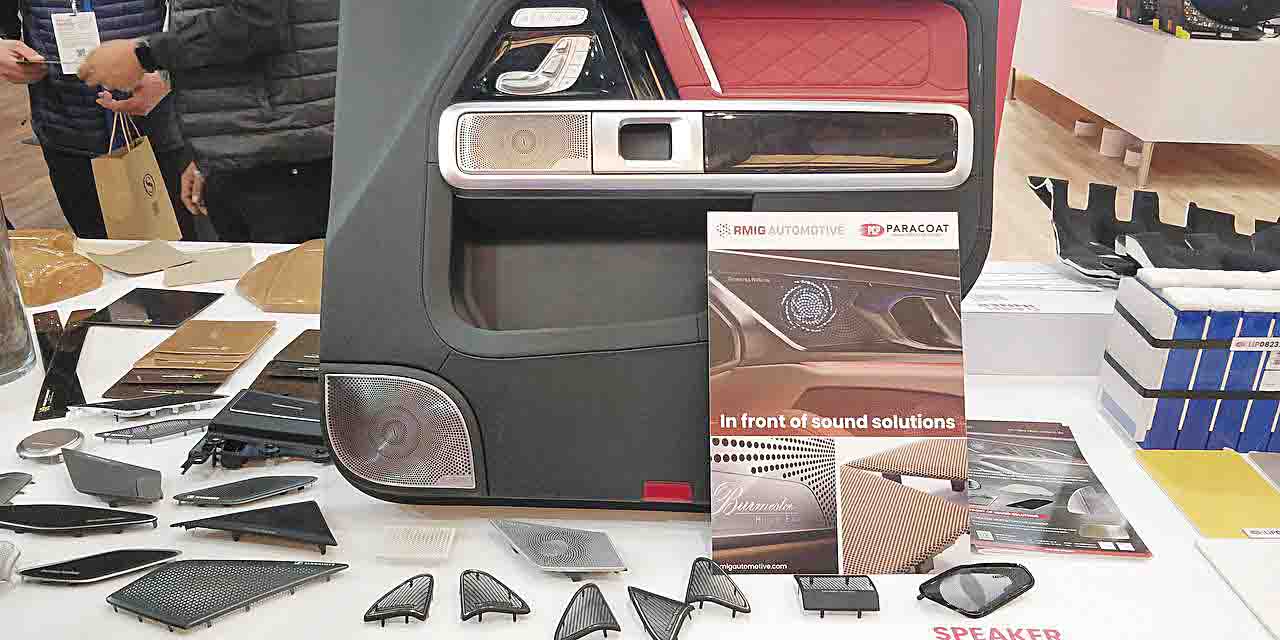
The company wants to go beyond soundproofing. The company has deep-dived into driver ergonomics, emphasising well-designed floor layouts, gear shift positions, and steering columns aimed at reducing strain during prolonged driving sessions. “Driver fatigue isn’t just about seating. It’s about every square inch of that workspace,” Chatterjee emphasised Another highlight is the abrasion-resistant floor mats, purpose-built to withstand the high activity within commercial vehicle cabins. These mats maintain their structural and visual integrity even under constant stress, reducing the need to support frequently, in turn enhancing the cabin operation cycle.
The backbone
 Paramat’s infrastructure backbone has played a critical role in the company’s realising the innovations. With manufacturing units in Bihari, Halol, Pune, and Hosur, and the R&D hub in Gurugram, accompanied by a satellite lab in Hosur, Paramat has built in capabilities for mass production. This geographical spread is claimed to offer logistical ease and scalable deployment, tailored for India’s expansive needs. According to Chatterjee, the R&D team’s goals are concerned with, the efforts to align with future-proofing truck and bus cabs.
Green Plastics Revolution
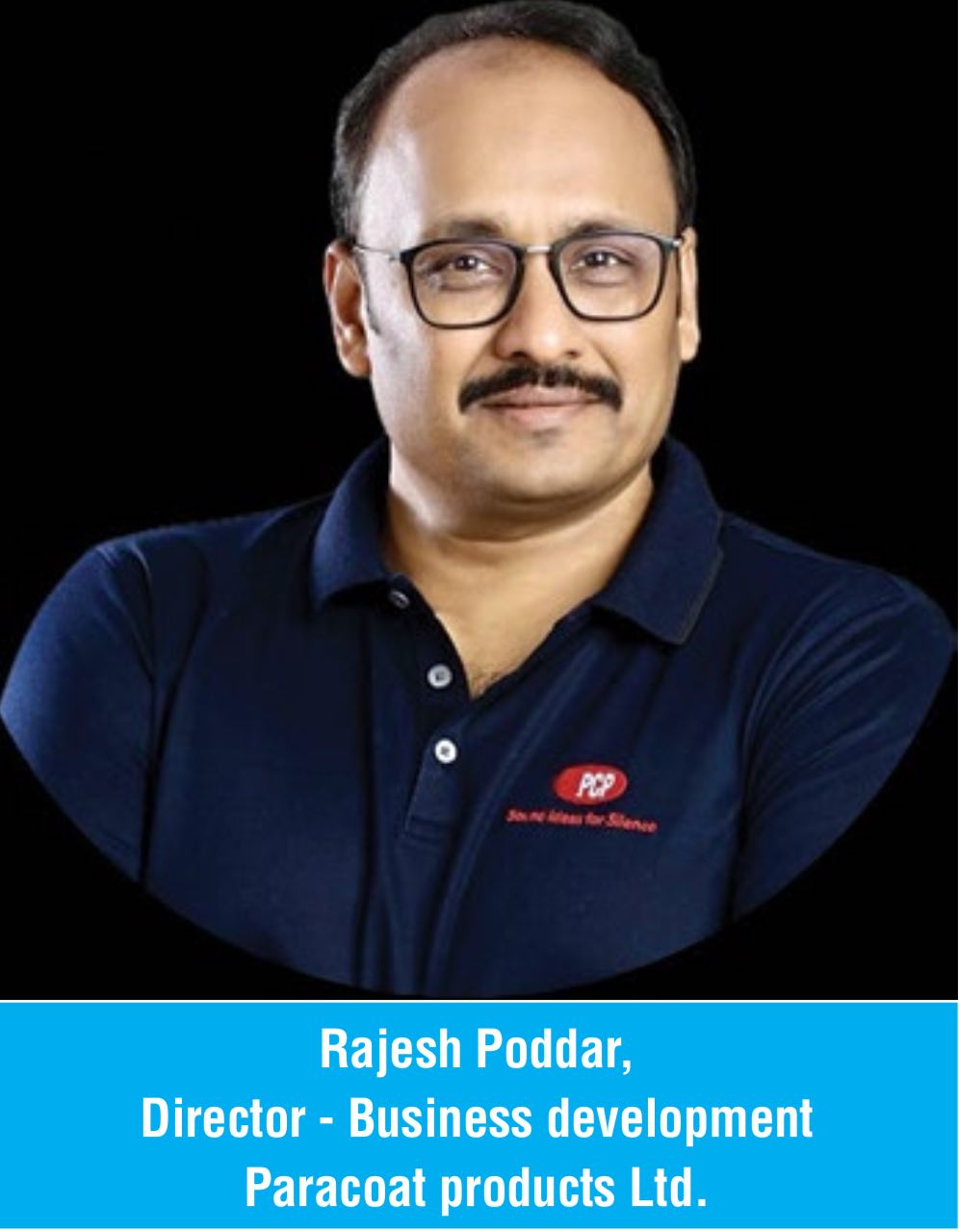
While Paramat focused on comfort and insulation, Paracoat Products Ltd. took on a bigger challenge of environmental sustainability. With Director Rajesh Poddar at the helm, Paracoat introduced its green initiative to address the global issue of plastic waste through material innovation. “The automotive world cannot wait any longer. If sustainability isn’t built into every product now, the industry will be playing catch-up for decades,” opined Rajesh Poddar.
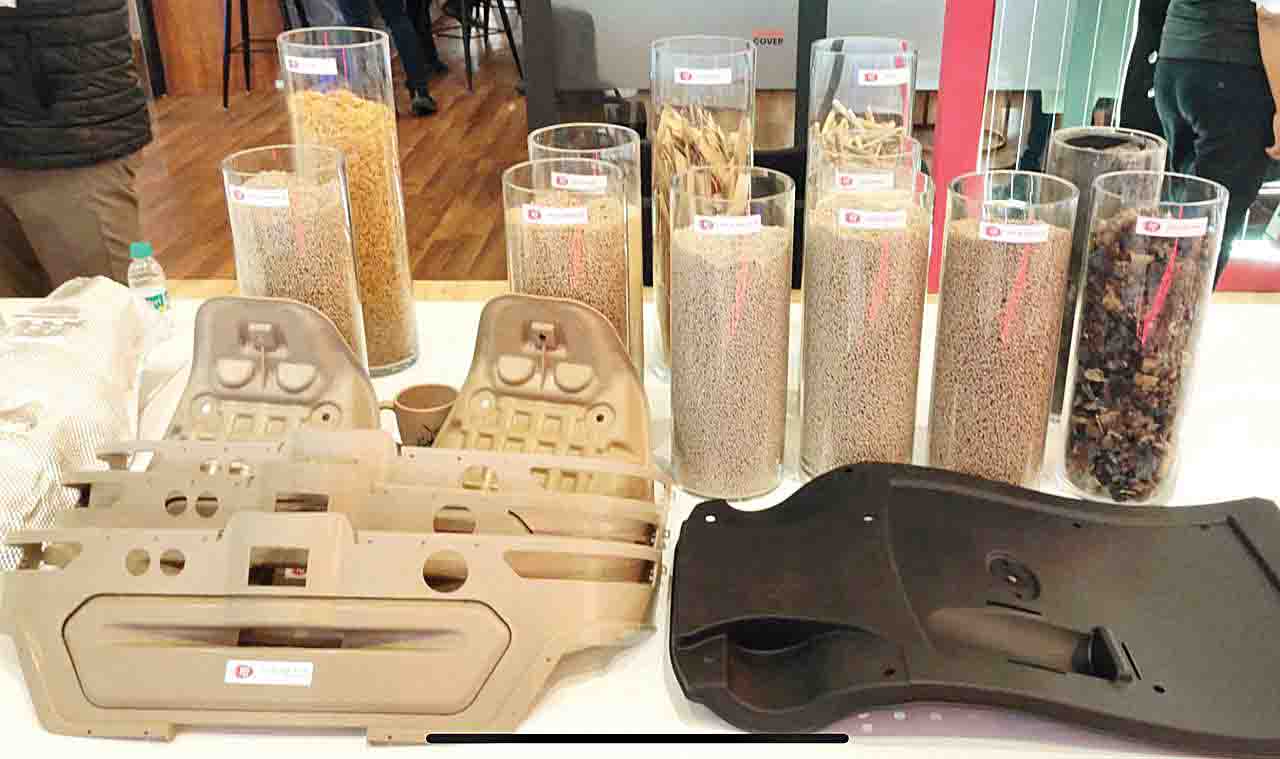
The initiative centres around replacing virgin plastics with agro-waste derivatives like jute strips, rice husks, and bamboo strips readily available agricultural by-products from Indian farmlands. These are ground into fine powders and blended with plastics to create partially bio-based, fully recyclable granules.
This new formulation feeds into injection, compression, and extrusion moulding processes making the transition to sustainable materials seamless for manufacturers. The granules are offered in customisable grades to match varying product specifications, highlighting Paracoat’s flexibility.
The value proposition extends beyond green manufacturing. “By using agro-waste, we’re adding value to India’s rural economy, enabling farmers to profit from residues they would otherwise discard or burn,” claimed Poddar. This model supports a circular economy, aligning with both environmental and socio-economic objectives.
With these materials, Paracoat is producing parts that meet automotive-grade performance requirements while significantly cutting down plastic content. Their solutions fit into dashboards, door panels, trims, and various moulded interior components. Importantly, these materials are further claimed to reduce emissions, conserve petroleum-based resources, and lower the carbon footprint of vehicles using them. Paracoat’s initiative highlights how eco-consciousness can become a key performance metric alongside strength, weight, and cost.
Road Safety
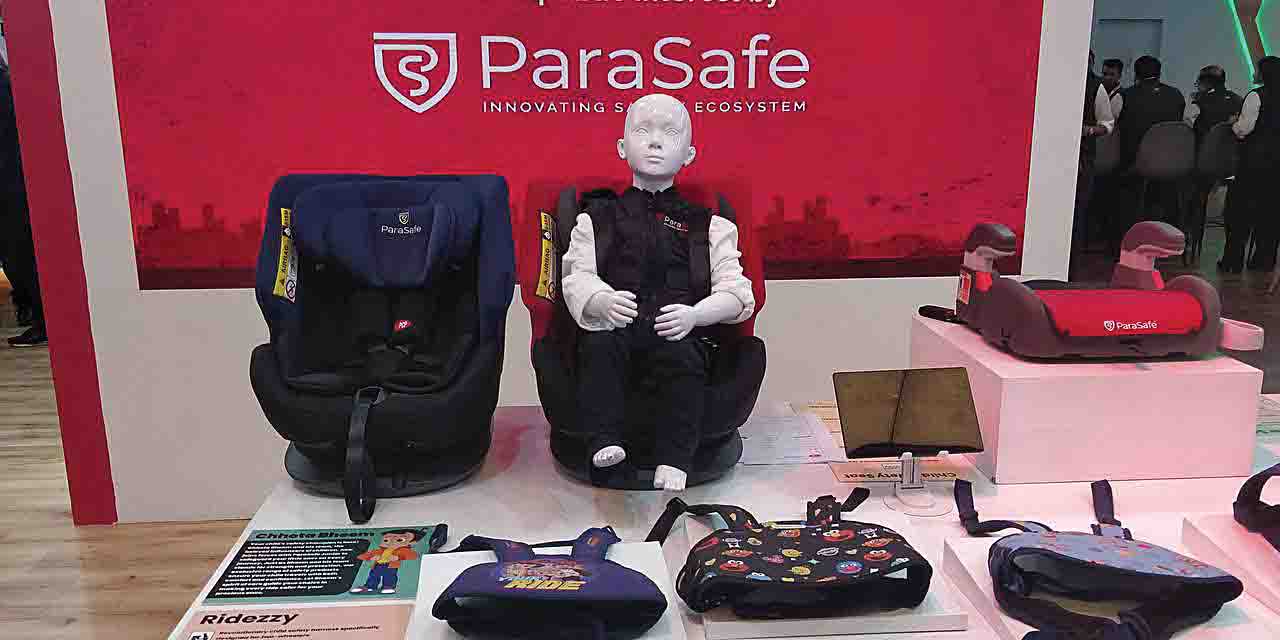
Parasafe is a brand focused on making road safety more accessible and technologically advanced. Their diverse range of safety products included solutions for both two-wheelers and four-wheelers, with a special emphasis on personal protective equipment and medical readiness. “Road safety is not optional, it’s elemental,” mentioned the spokesperson. The company recently showcased its product suite, highlighting child safety accessories under its collaboration with ‘Chhota Bheem’, including junior harnesses and baby car seats.
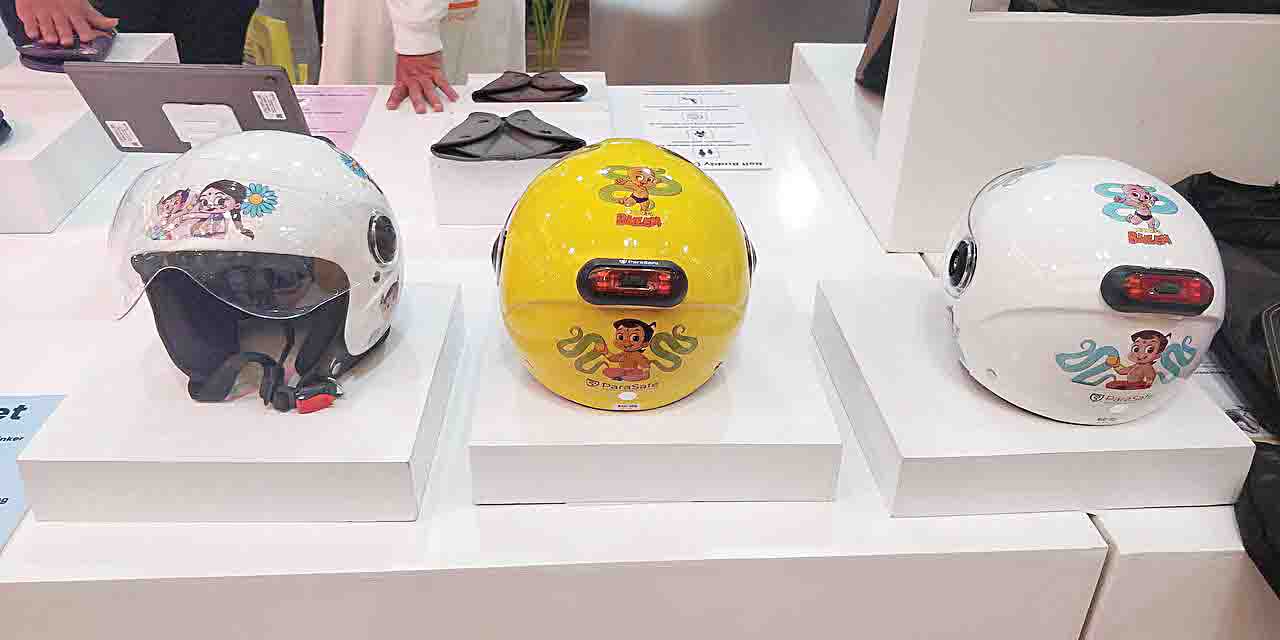
For adult users, Parasafe introduced LED-integrated helmets with three blinking light modes for enhanced night visibility. The helmets are designed with urban and semi-urban riders in mind, where lighting conditions frequently lead to visibility-related accidents. A set of seat belt comfort adjusters for rear seats is a smart solution to promote consistent seat belt usage, especially in Indian cars, where rear seat compliance is still low.
Moving beyond preventative tools, Parasafe also displayed advanced emergency response kits for two-wheelers and cars. These kits include homeostatic medical tools, especially effective in controlling traumatic bleeding post-accident. The inclusion of such tools elevates the importance of immediate first-aid capabilities before professional help arrives.
However, the real show-stealer was the air bag safety apparel line. Co-developed with Swedish partners, the airbag vests and jeans employ crash sensors that activate inflation before impact. The jeans use Ultra-High Molecular Weight Polyethylene (UHMWPE) fibres material stronger than Kevlar, offering superior abrasion resistance while maintaining a regular denim look. “We wanted safety gear that didn’t scream ‘safety gear.’ It had to look good, feel good, and save lives. That’s what we’ve delivered with our airbag jeans and vests,” said the brand’s safety innovation head.
Industry Reflections and Future Trajectory
Collectively, Paramat, Paracoat, and Parasafe present a cohesive vision of what modern mobility interiors and safety standards should look like. Paramat addressed comfort and ergonomics for commercial drivers, a segment often overlooked but critical to logistics and transportation efficiency. Paracoat, on the other hand, tackled one of the toughest global challenges: plastic pollution. Their green granules innovation not only offers OEMs a cost-effective path to sustainability but also plugs into the larger narrative of rural empowerment and resource recycling. Parasafe reminded the industry that innovation must always include safety. Their cutting-edge gear and medical products prove that safety isn’t just about compliance, it’s about anticipating real-world scenarios and solving them with design.





Leave a Reply