

OPmobility’s latest expansion shows how integrated manufacturing and long-range strategy can reshape India’s mobility supply chain, writes Sahil Kesari.
India’s mobility sector is undergoing a decisive transformation. The industry is transitioning from legacy internal-combustion platforms toward a wider mix of hybrid, electric, and alternative-fuel architectures. Vehicle programs are becoming increasingly software-dependent, modular, and complex. With these shifts, OEMs are increasingly relying on suppliers who can deliver localisation, depth of engineering, and consistent performance under demanding timelines. The supply chain must balance quality, speed and integrated capability within an ecosystem that is changing faster than at any time in recent memory. India’s overall vehicle output is also expected to grow at an annual rate of more than five per cent through the end of this decade, a trajectory that reinforces the need for suppliers who can manage quality, speed and system-level integration.
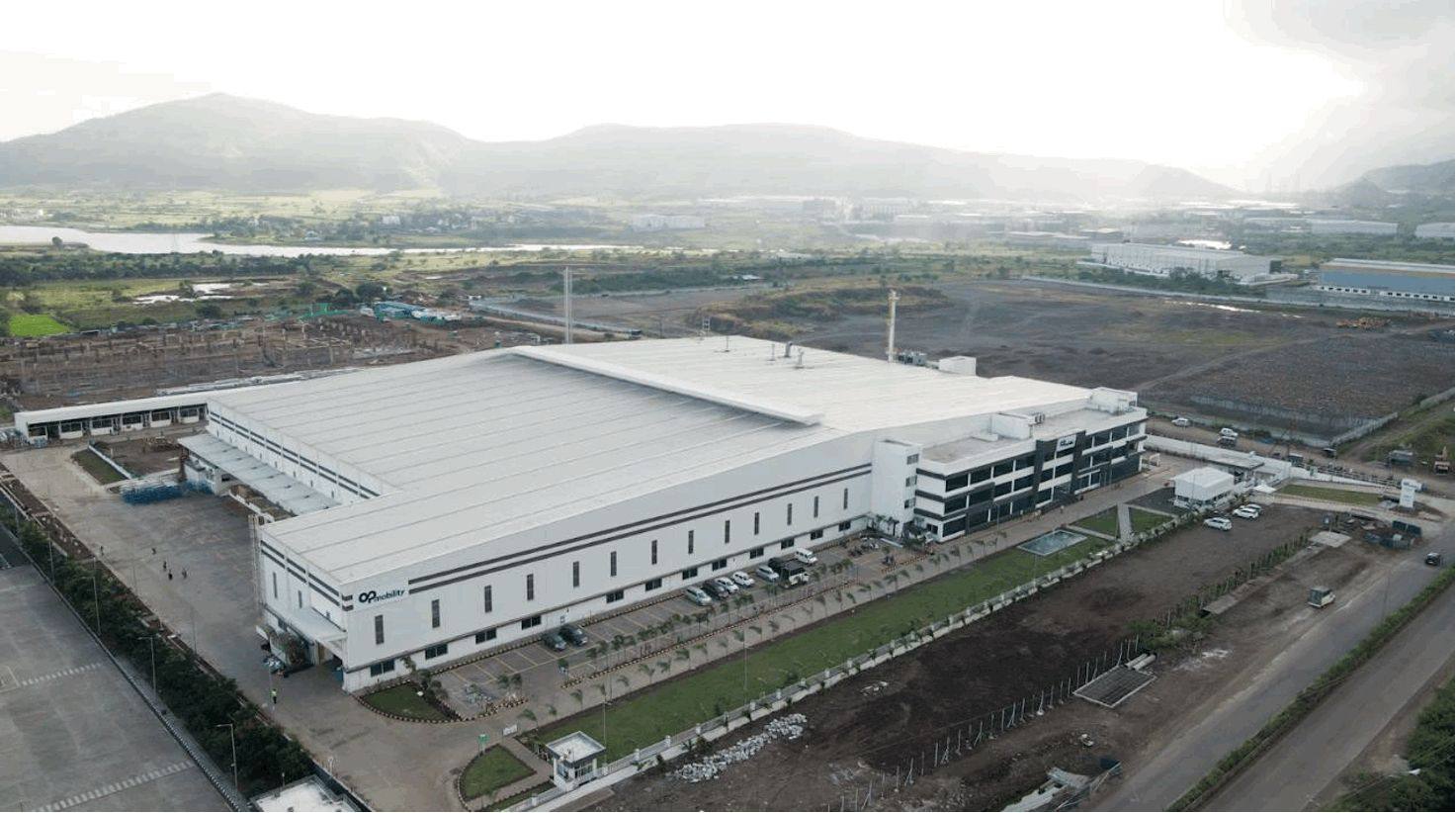
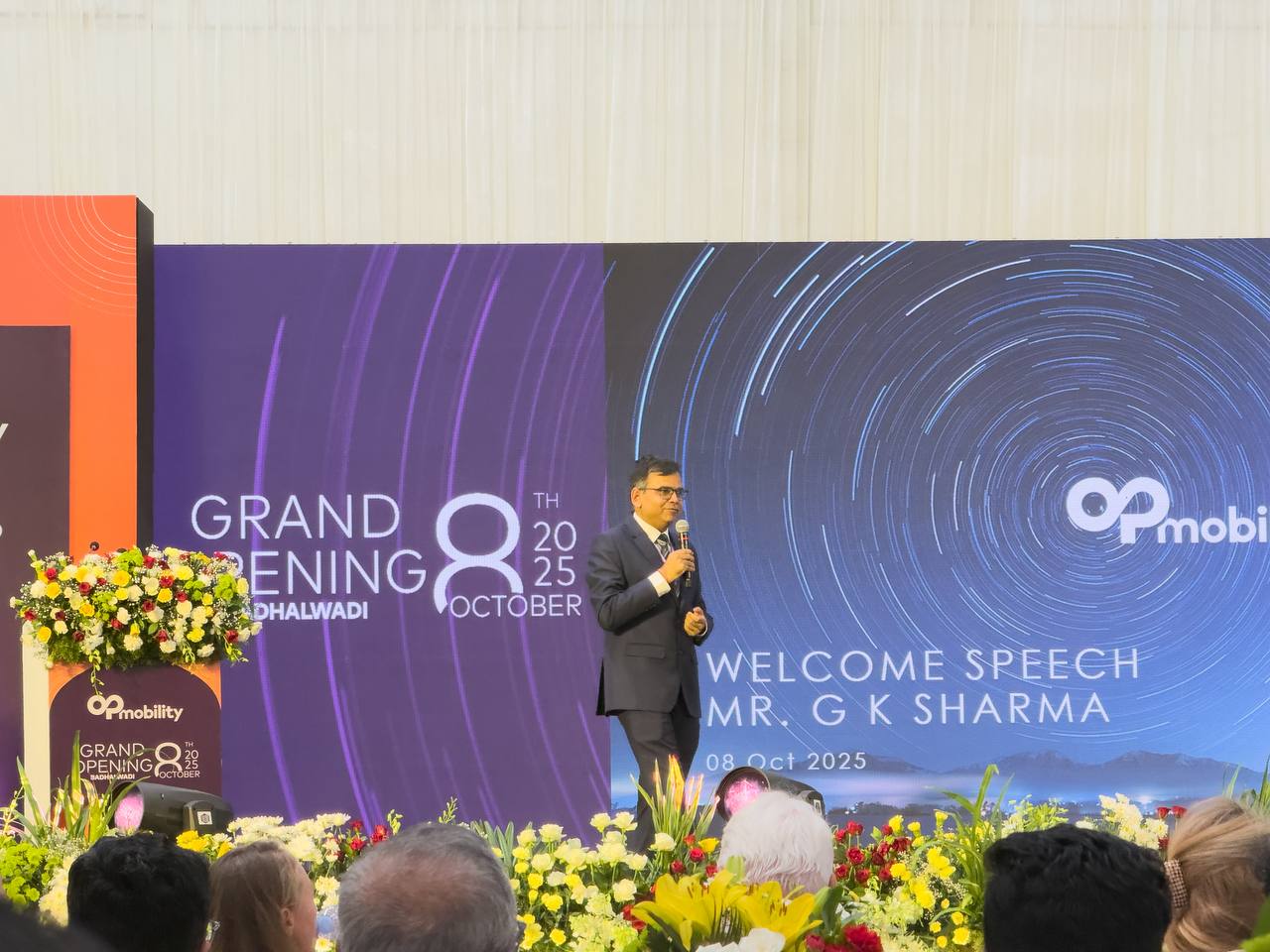
According to the company’s official statement, more than one in every three vehicles produced in the country already carries an OPmobility system. Against this backdrop, OPmobility inaugurated its new facility in Badhalwadi, located in the Talegaon–Chakan industrial belt of Maharashtra. The site is designed as a consolidated manufacturing and integration hub, positioned to support a range of programs across western India’s mobility cluster, and stands as the Group’s first location in the country to bring exterior systems and energy storage systems under a single roof. The event signalled not only the commissioning of a new plant but also the company’s long-term commitment to expanding its manufacturing, engineering, and workforce capability in the country. The inauguration brought together the Group’s senior global leadership. Among those present were Chairman of the Board Laurent Burelle, Chief Executive Officer Laurent Favre, Managing Director Félicie Burelle, and members of the Executive Committee. Their attendance underscored the strategic significance of the Indian region within the Group’s worldwide operations. Representing the India business was regional head Gyanendra Sharma, who articulated the company’s national footprint and the rationale behind its expansion in Maharashtra. While the plant floor itself remained closed for the day, OPmobility offered a clear view of the facility’s purpose, its integrated manufacturing architecture, and the role it is intended to play in strengthening the company’s coordinated approach to the Indian market. The tone remained disciplined, factual, and forward-looking, reflecting the company’s preference for clarity over ceremony.
A global supplier built on innovation, integration, and scale
To understand the significance of the Badhalwadi facility, it is important to situate OPmobility within its broader global context. The Group is a long-established mobility supplier that has operated since the mid-1940s with innovation at the core of its philosophy. Over the decades, it has expanded into a worldwide organisation that supports passenger-vehicle manufacturers, commercial-vehicle programs, bus and rail systems, and heavy-equipment platforms. OPmobility reports an economic revenue of roughly more than eleven billion euros supported by a workforce of nearly forty thousand employees. The Group operates more than one hundred and fifty manufacturing plants and approximately forty research and development centres distributed across twenty-eight countries. This scale positions OPmobility as one of the most geographically diverse suppliers in the global mobility sector.
The company’s business is organised around three major verticals:
First, exterior and lighting systems, which include bumpers, spoilers, door panels, grilles, exterior components, and advanced lighting technologies that shape a vehicle’s visual identity and aerodynamic performance.
Second, powertrain solutions under the C-Power and hydrogen-centric H-Power product lines. These solutions are designed to support internal-combustion, hybrid, and electric powertrains, as well as hydrogen-based propulsion systems.
Third, integrated module solutions, which combine multiple components into cohesive assemblies that reduce complexity for original equipment manufacturers.
Supporting these verticals is OP’nSoft, the Group’s in-house software and digital engineering division. It handles tasks such as simulation, modelling and virtual validation, which help shorten development cycles and strengthen product accuracy. As vehicles move toward more software-led architectures, the role of OP’nSoft has become increasingly important across the company’s global programs.
OPmobility’s presence extends across Europe, China, North America, Asia outside China, and key markets in South America and Africa. This wide geographic spread allows the company to operate close to major mobility centres, enabling localisation, faster response times, and stronger collaboration with vehicle manufacturers.
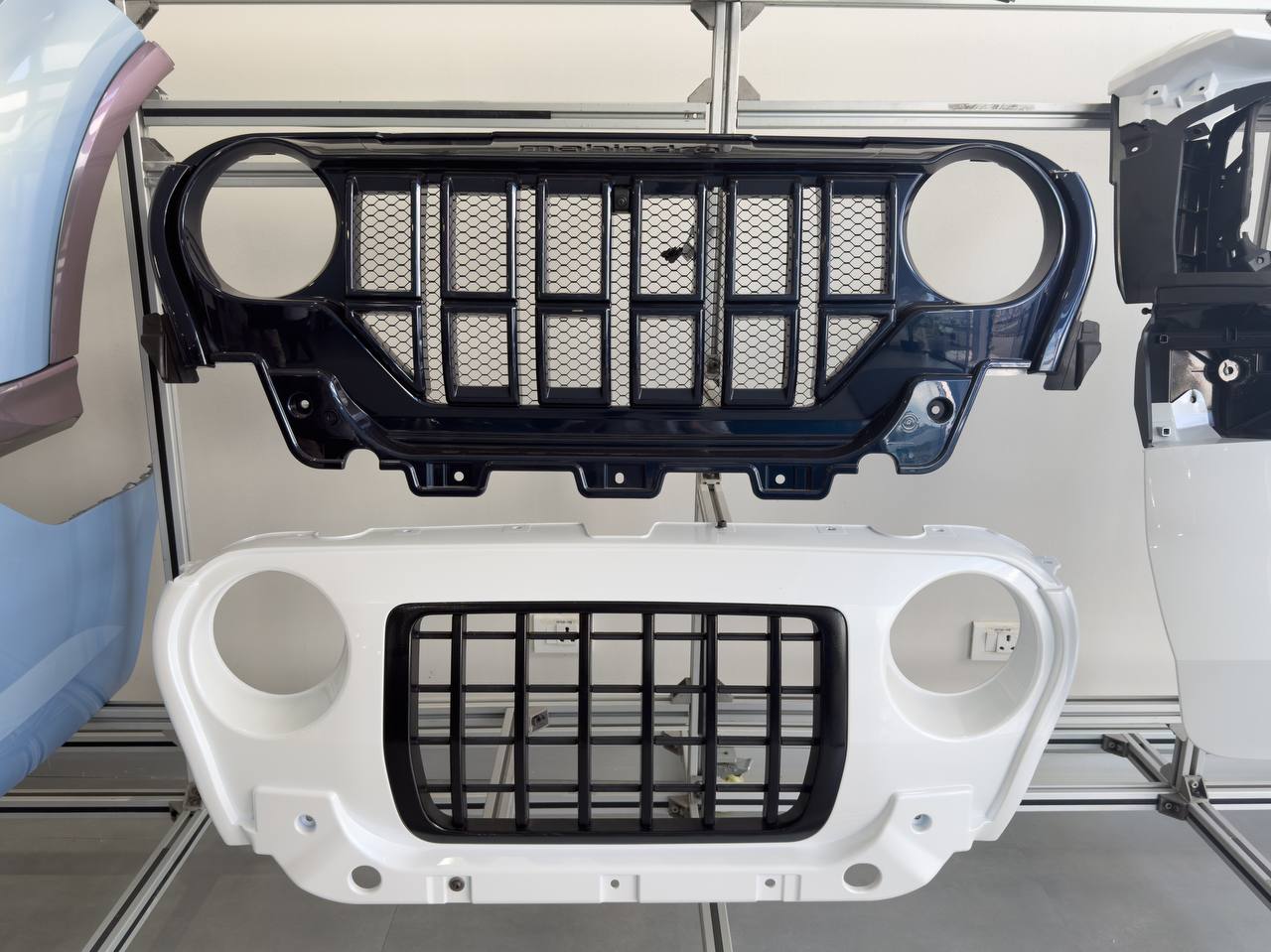
Front bumper(Jeep design)
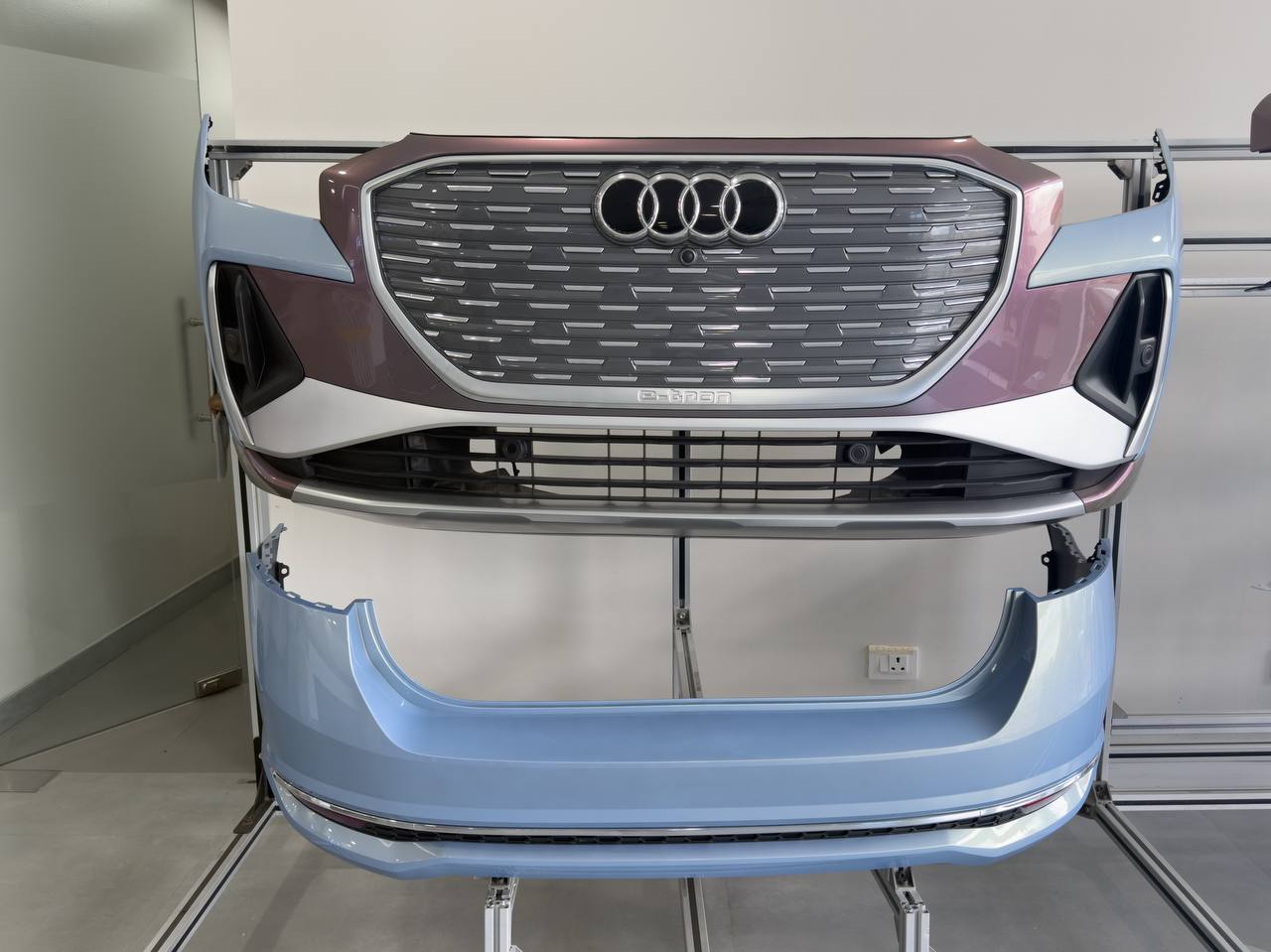
Front Bumper(Audi design)
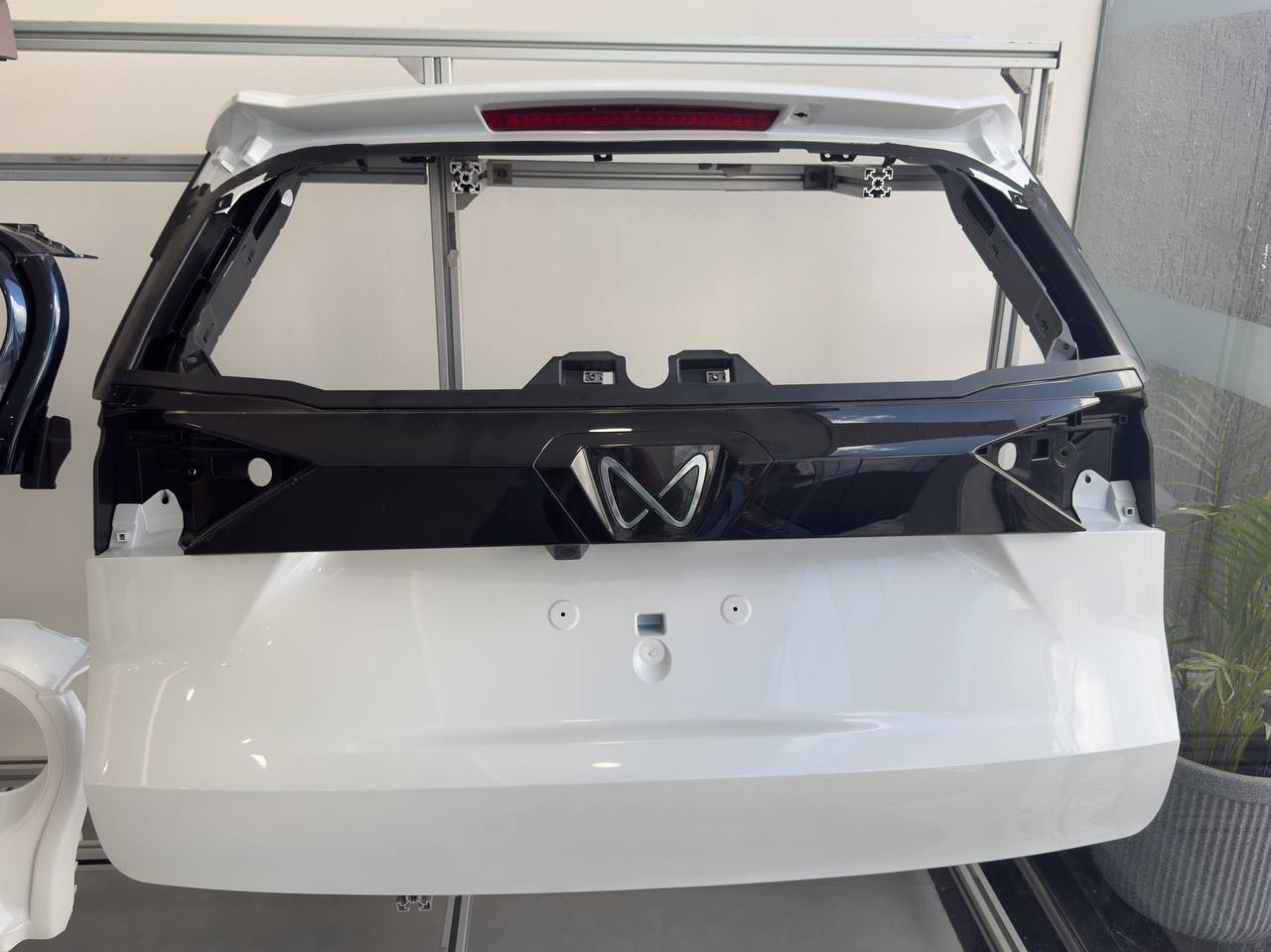
Rear Tailgate
India: a rapidly expanding pillar of OPmobility’s global footprint
Within its global structure, India has emerged as one of OPmobility’s fastest-growing regions. The company operates six major plants in the country, located in Manesar, Bawal, Talegaon, Bamboli, Chennai, and now Badhalwadi. These facilities serve an extensive range of programs across exterior systems, energy storage systems, fuel tanks, hybrid tanks, urea tanks, module integration, and other critical components. Beyond manufacturing, OPmobility has built a strong engineering presence in India. The company manages five research and development centres and a digital-engineering hub that contribute to modelling, simulation, validation, and software support for both India and global programs. The Bengaluru engineering centre plays a key role in providing these digital capabilities.
OPmobility employs more than one thousand six hundred people across its India operations, supported by a business scale that comfortably exceeds two hundred million dollars in annual value. This makes the India region one of the Group’s most active growth contributors, with a footprint that spans manufacturing, engineering, customer delivery and digital development. India’s automotive clusters, particularly those around Pune, Chennai and the northern belt, have matured into key bases for global suppliers. As original equipment manufacturers advance localisation and prepare for a wider mix of internal-combustion, hybrid and electric programs, the need for suppliers with integrated manufacturing and engineering depth has strengthened. OPmobility’s broader presence in the country aligns with this shift, reinforcing its role within an ecosystem that is steadily expanding in scale and capability.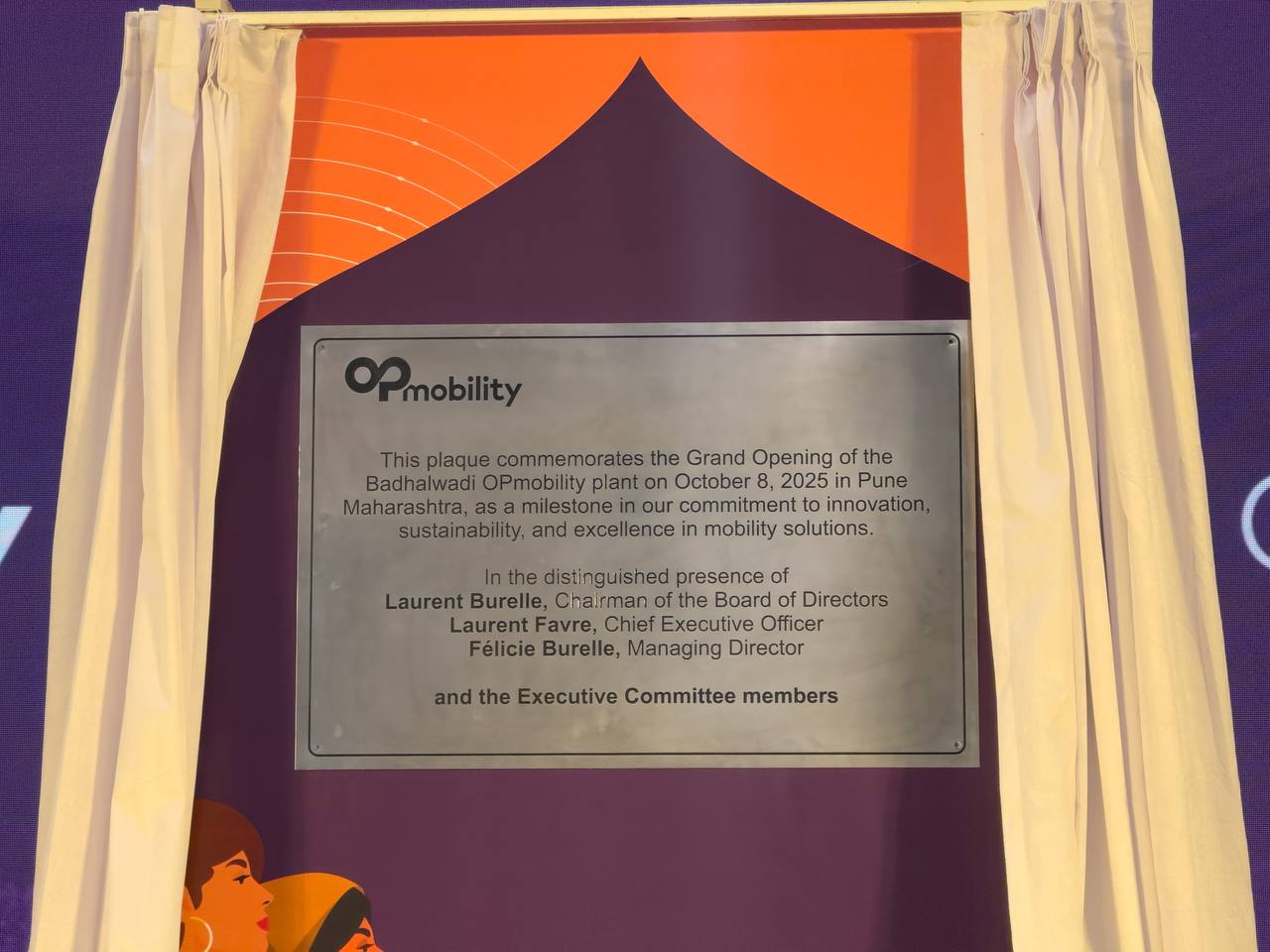
The Badhalwadi facility: a consolidated base for multi-stream capability
The newly inaugurated Badhalwadi facility has been designed as a consolidated manufacturing hub that brings together multiple high-value production streams within a single integrated site. It is also the company’s first site in the country to integrate exterior systems and energy storage systems within a single location. The facility incorporates sustainability measures such as solar installations designed to support part of its energy requirement, reinforcing the company’s long-term approach to responsible manufacturing. The plant will support several product lines central to modern vehicle programs.
It will manufacture energy storage systems, including fuel tanks, urea tanks, and hybrid variants. These components remain essential for internal-combustion and hybrid platforms and continue to be critical in several market segments. It will also produce exterior systems such as bumpers, spoilers, and door panels. Exterior components are increasingly complex due to aerodynamic requirements, design differentiation, and sensor integration for driver-assistance technologies. The facility will furthermore support the integration of front-end and rear-end modules, combining structural, aesthetic, and functional elements into cohesive assemblies. This enables original equipment manufacturers to streamline their assembly processes while ensuring consistency in quality and performance. The decision to consolidate these product lines within a single site supports operational efficiency, reduces internal logistics, and enhances responsiveness. Automotive manufacturing relies heavily on just-in-time and just-in-sequence delivery models. A consolidated manufacturing structure helps align supplier schedules with the fast-moving production cycles of original equipment manufacturers, especially in regions like the Talegaon–Chakan belt, where assembly lines operate at high cadence. The Badhalwadi plant strengthens OPmobility’s ability to serve these requirements. Its proximity to several original equipment manufacturers in western India ensures optimised logistics, shorter delivery loops, and faster communication channels. As mobility programs grow more complex, such an integrated capability becomes essential to maintaining stable production flows. Alongside Badhalwadi, the company is developing a new facility in Kharkhoda in the northern region, where construction began in August two thousand twenty-five. This plant will focus on energy storage systems and is scheduled to begin operations in early two thousand twenty-six.
A workforce model anchored by women and built for long-term capability
One of the defining features of the Badhalwadi facility is its workforce structure. OPmobility has staffed the plant with a team composed of more than ninety percent women. This approach stands out in India’s automotive component sector, where women have historically had limited representation in shop-floor operations. The company has designed the plant’s layouts, ergonomic elements, workstation configurations, and training systems to support women in technical roles. These efforts include structured onboarding, safety processes, and skills-development programs intended to ensure consistent performance across shifts and operations. Women employees occupy roles across production lines, quality checks, assembly sections, and functional operations. Many of them come from nearby towns and villages and speak about the confidence, financial independence, and professional development that their roles offer. Their presence supports both operational stability and community uplift. The shift toward women-driven manufacturing aligns with broader transformations in the Indian industry. Several sectors have demonstrated that women-led shop floors bring enhanced process discipline, strong quality adherence, and lower attrition. OPmobility’s adoption of this structure reflects a forward-looking approach that recognises both operational benefits and social impact. Additionally, the company contributes to the surrounding community through educational support for local schools and youth development initiatives. These efforts reinforce the role of the facility as a socio-economic driver in the region.
Maharashtra’s mobility cluster and the strategic relevance of Badhalwadi
The Talegaon–Chakan belt has grown into one of India’s most established automotive clusters, bringing together OEM,s, tier suppliers, toolmakers, logistics networks and engineering institutions to form a mature and self-sustaining ecosystem. Maharashtra has repeatedly signalled its intention to remain a leading mobility hub by strengthening industrial infrastructure and providing a stable environment for long-term investment. For OPmobility, situating the Badhalwadi facility within this cluster ensures proximity to customers, faster alignment with new program timelines and smoother integration with engineering feedback. The location therefore delivers both operational efficiency and strategic positioning within a region that continues to anchor a significant share of India’s mobility activity.
Industry trends shaping OPmobility’s strategy
The commissioning of the Badhalwadi facility aligns with several shifts shaping India’s mobility landscape, where localisation is accelerating as manufacturers seek resilient supply chains and domestic capability for increasingly complex systems. Modern vehicle platforms favour integrated modules over fragmented components, placing greater importance on suppliers capable of managing multi-stream production under one structure. Digital engineering has become central to development, with simulation and virtual validation now defining program speed and accuracy, an area strengthened by OP’nSoft’s presence in India. At the same time, workforce expectations are evolving, with women-led shop floors and structured skill programmes becoming more common across manufacturing. OPmobility’s workforce model at Badhalwadi reflects this transition. Together, these industry dynamics show why the facility represents more than a new plant, it is a timely and strategic response to the changing demands of India’s mobility sector.
A disciplined investment in India’s mobility future
The facility represents a carefully planned, future-oriented investment in India’s mobility landscape. It reflects the company’s long-term view by combining integrated capability, proximity to original equipment manufacturers, strengthened engineering support and a workforce model that sets new benchmarks in the sector. The site contributes to the stability and resilience of India’s supply chain, particularly within western India’s automotive cluster, while also strengthening OPmobility’s global footprint, deepening localisation and reinforcing its commitment to one of its most active regions. For the mobility sector, it illustrates how suppliers can combine global expertise with local relevance in a period shaped by rapid technological change. The Badhalwadi plant therefore stands as a disciplined, carefully constructed and forward-looking addition to the country’s mobility ecosystem, one that is positioned to play a meaningful role as India’s automotive future continues to unfold.




Leave a Reply