

Electric motors are the heart of an EV, driving efficiency and deciding its performance. Naxatra Labs offers indigenous, high-efficiency solutions, writes Upendra Kasbekar.
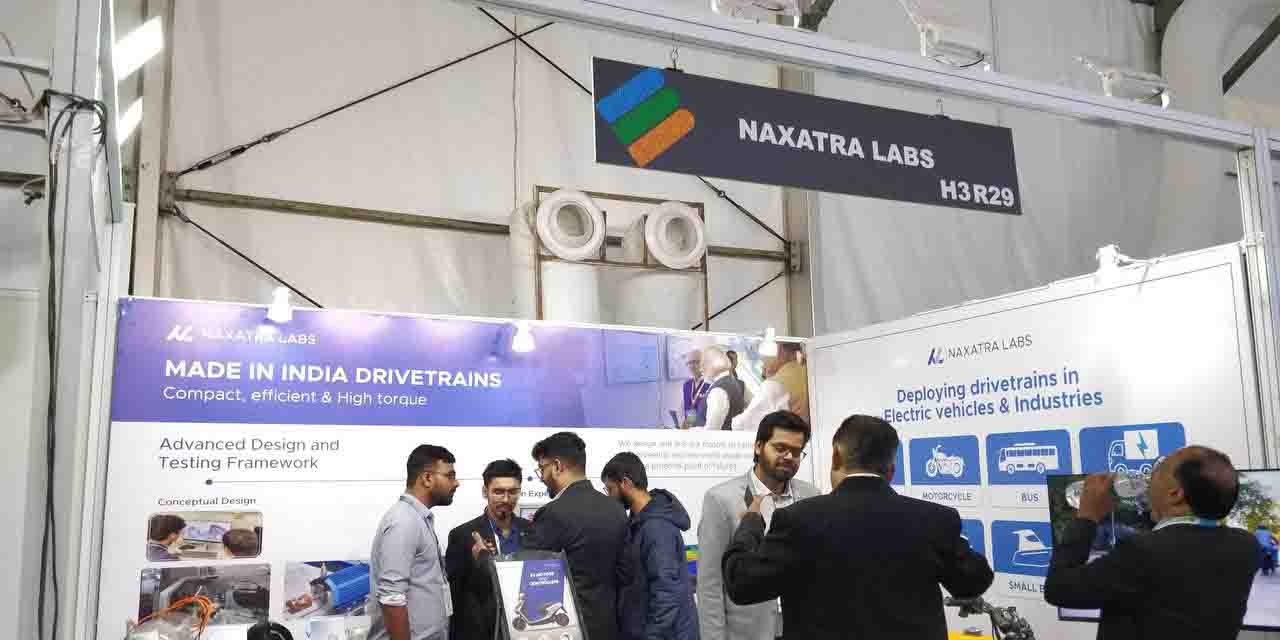
The Bharat Mobility Global Expo 2025 showcased India’s dynamic push toward innovation in the mobility sector. With a strong focus on Electric Vehicles (EVs), components, and sustainable mobility solutions, the expo served as a melting pot for groundbreaking technologies. Among the numerous exhibitors, Naxatra Labs stood out with its advanced automotive motor solutions. As India aims for reduced reliance on imports and an indigenous manufacturing ecosystem, startups like Naxatra Labs are leading the charge.
Performance Orientation
Founded in 2021 by Abhilash Maurya, Piyush Verma, and Arnav Biswas, Naxatra Labs emerged from a simple yet ambitious vision: to revolutionise electric motor technology in India. Despite the growing adoption of EVs, India still imports motors worth over a billion dollars annually. Recognising this dependency, the founders sought to develop high-efficiency, lightweight motors that could compete with global benchmarks while being optimised for Indian roads and environmental conditions. Piyush Verma, Co-founder and CTO of Naxatra Labs shared insights into their journey. “We realised that nearly 50 per cent of the world’s energy is consumed by electric motors, yet many operate inefficiently. Our goal was to build efficient motors that not only enhance performance but also reduce carbon consumption,” he averred.
Innovation In Motion
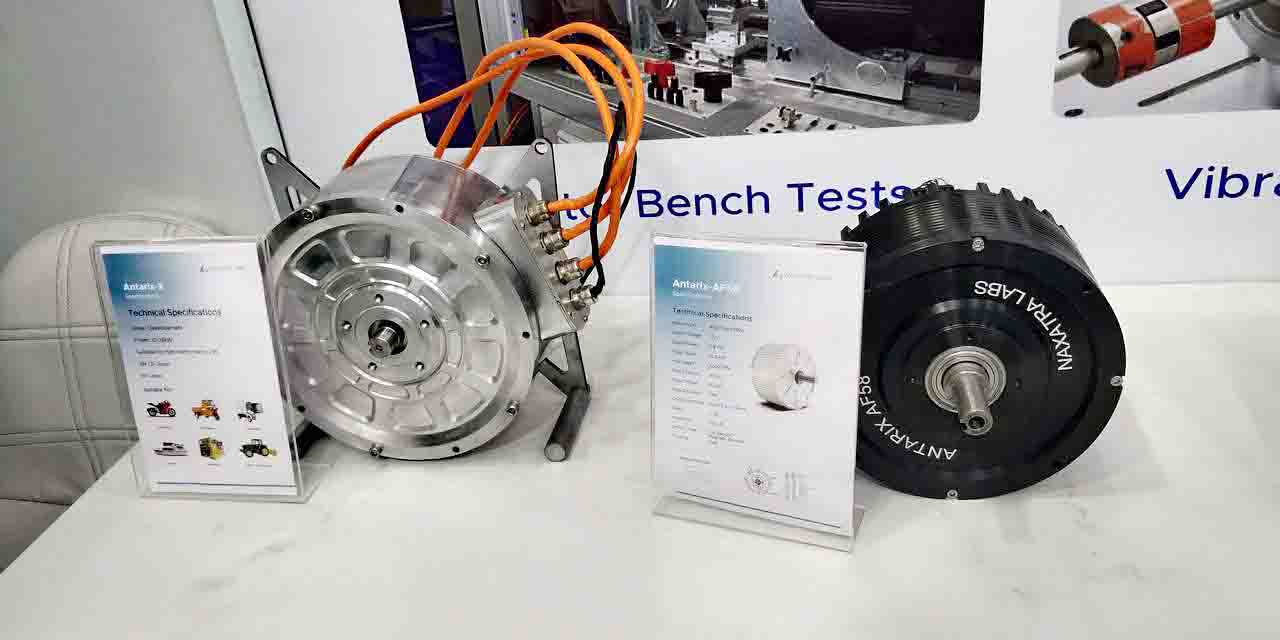
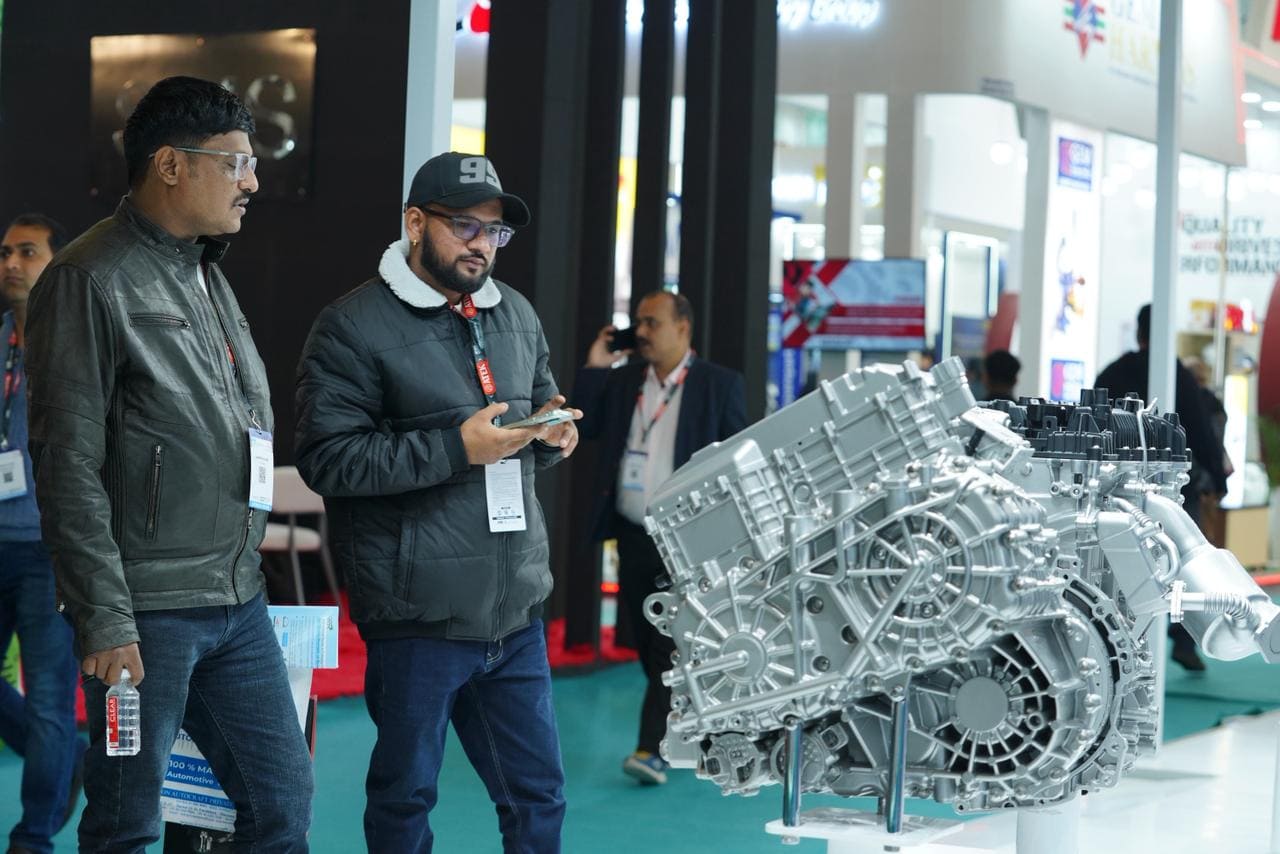
Naxatra Labs has positioned itself as a pioneer in motor technology, offering both axial and radial flux motors. These motors are designed with an Indigenous approach, Up to 10 per cent higher efficiency compared to existing market alternatives, and 20 per cent lighter build, making them ideal for various EV applications. Fully designed, tested, and manufactured in-house, ensuring quality control and reliability. The company’s motors cater to a wide range of two-wheeler applications, including bikes, scooters, and mopeds. The focus on indigenisation ensures that these motors can withstand India’s diverse climatic conditions, offering superior durability and performance.
Strategic Expansion
While the primary market for Naxatra Labs is the EV sector, the company has also forayed into agriculture and power tools. With the electrification of agriculture gaining momentum, Verma highlighted the significance of efficient motors in farm equipment. “With more farms adopting solar panels and electric-powered equipment, there is a massive opportunity to develop high-efficiency motors for agricultural applications,” he stated. Naxatra Labs is actively collaborating with multiple agricultural equipment manufacturers, working on solutions that enhance energy efficiency and reduce emissions in farming operations. This diversification into industrial applications highlights the company’s vision beyond electric vehicles.
Strategic Investments
To accelerate its mission, Naxatra Labs recently secured funding from key investors. The seed round was co-led by GVFL, Delhivery founder Mohit Tandon, and Aspiring Minds Founder Himanshu Aggarwal. Other notable investors included Rainmatter by Zerodha, Paytm founder Vijay Shekhar Sharma, and ixigo co-founders Aloke Bajpai and Rajnish Kumar. With this fresh infusion of capital, Naxatra Labs plans to expand its manufacturing capabilities and enhance its Research and Development (R&D) efforts. “This funding will help us scale production, optimise costs, and accelerate innovation in powertrain technologies,” Verma said.
The goal is to push for higher adoption of locally developed electric motors, reducing dependence on imported components, he emphasised. Looking ahead, Naxatra Labs aims to expand its product range to cater to a broader spectrum of EV applications, including three-wheelers, commercial vehicles, and industrial machinery. The team continues to work on next-generation motor designs, focusing on further weight reduction, enhanced energy efficiency, and improved power density.
Industry Response and Government Support
The response from the industry has been overwhelmingly positive. As the ‘Make in India’ drive initiative gains traction, companies are increasingly looking for locally developed solutions. Verma concluded, “The industry is receptive to Indian products. We see a shift where manufacturers are prioritising indigenous technology, and this trend is only going to strengthen.”
However, for startups like Naxatra Labs to thrive, government support is crucial. Infrastructure development, industry clusters, and access to advanced manufacturing tools remain key areas where policy intervention is needed. “Auto clusters, such as those being developed in Pune and other regions, play a vital role in fostering innovation. The ease of doing business and a supportive regulatory framework will further enable startups like ours to scale effectively,” Verma reiterated. ACI




Leave a Reply